

A sliding window that fits the opening is the easy part. A sliding window that does not quite fit is the part you end up paying for in trim, packers, and apologies. Sliding window size is the first decision in any window project, and the one most people skip past on the way to picking glass and finish.
Here is the practical way to work out what sliding window size your space actually needs, before quotes come in.
How to measure an existing opening
If you are replacing an existing window, the measurements that matter are the rough opening (the actual hole in the wall, not the frame size) and a small allowance for installation.
To measure:
- Open the window, or pull off the interior trim if you need to see the opening properly
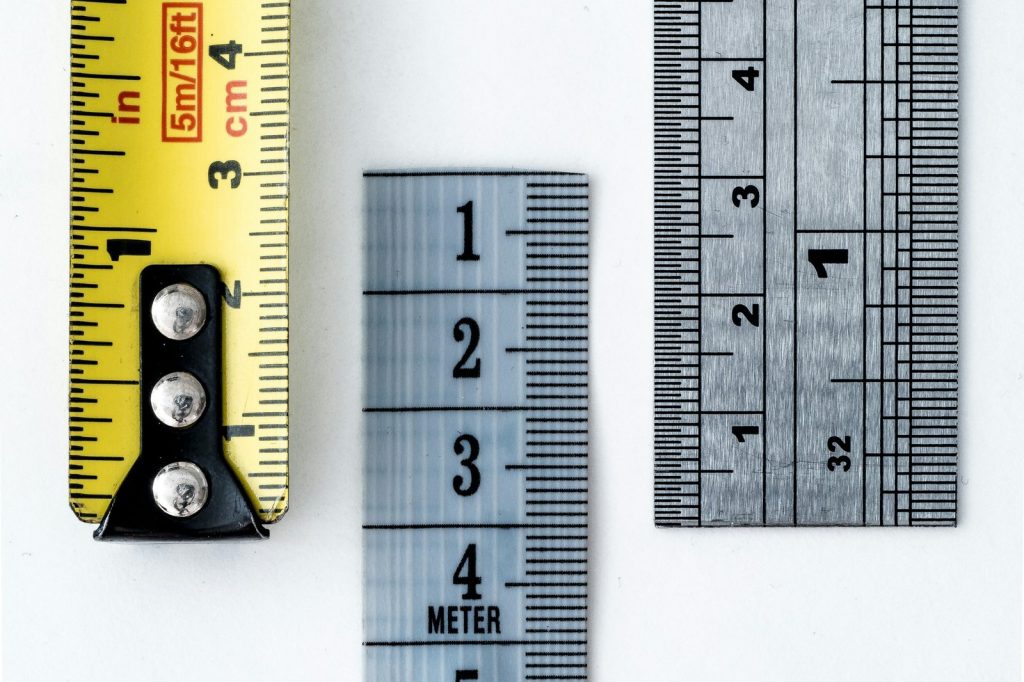
- With a tape measure, take the width at the top, the middle, and the bottom of the opening. Write all three down in inches.
- Take the height at the left, middle, and right. Write those down too.
- Use the smallest width and the smallest height as your reference. Openings are rarely perfectly square, and ordering to the smallest number stops you from buying a unit that will not fit.
- Note any obstructions (handles, hardware, trim from adjacent walls) that could affect installation.
Send those numbers when you ask for a quote. We confirm with site-visit measurements before fabrication, but starting numbers make the first conversation faster.
Standard sliding window sizes in Jamaica today
Common stock sizes suppliers here keep available:
- 2′ x 2′ (24″ x 24″) for a small bathroom or laundry
- 3′ x 4′ (36″ x 48″) for a standard bedroom
- 4′ x 4′ (48″ x 48″) for a standard kitchen or smaller living room
- 6′ x 4′ (72″ x 48″) for a larger living room or master bedroom
- 7′ x 5′ (84″ x 60″) for a large living room or feature opening
These are aluminum extrusion sizes that ship in days rather than weeks. If your openings are within 2 to 4 inches of any of these, stock usually works. Further off than that and custom fabrication starts to make sense.
Sliding window size guide by room
A practical guide for common Jamaican homes:
- Bathrooms: 2′ to 3′ wide, 2′ tall is typical. Privacy comes first. Frosted glass is the default.
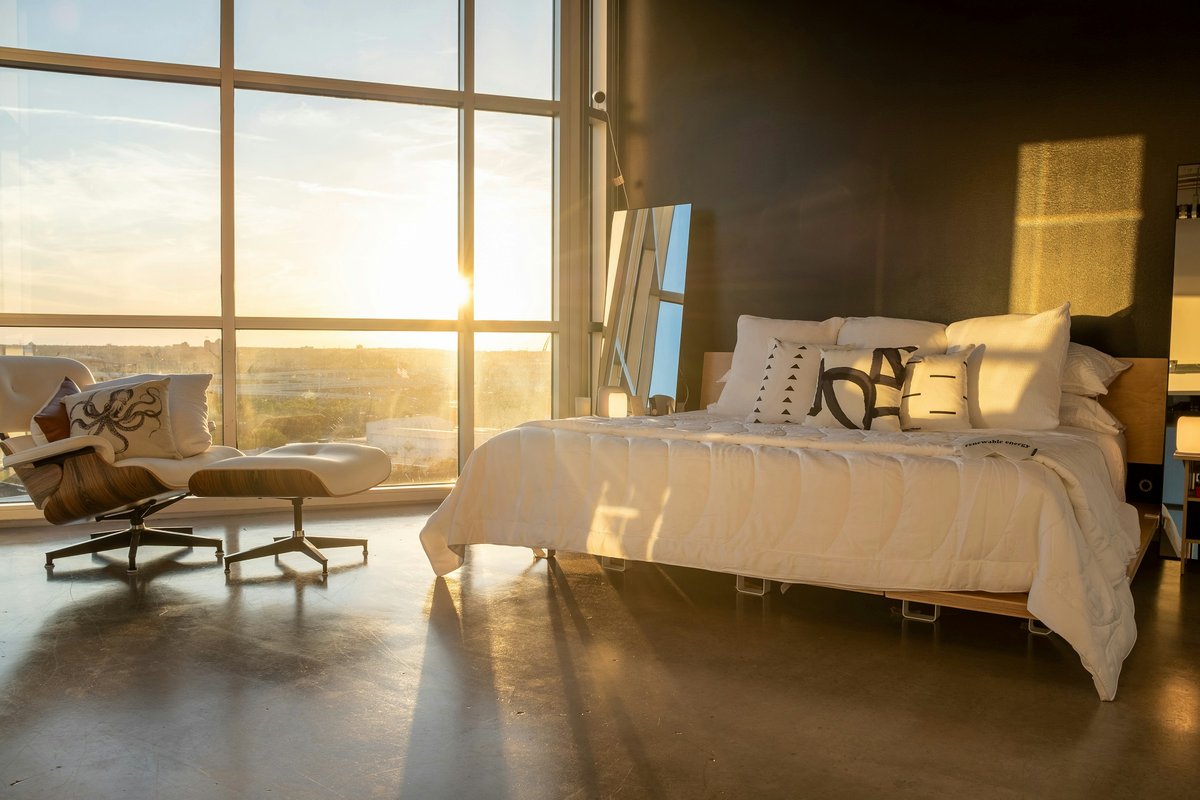
- Bedrooms: 4′ to 5′ wide, 3′ to 4′ tall. The opening has to be wide enough to climb out of in an emergency, so egress code sets the lower limit. Stock sizes meet code in most homes.
- Kitchens: 4′ to 6′ wide, 3′ to 4′ tall. Usually above counter height. A slider is right here because it does not swing out into the cooking area.
- Living rooms: 6′ to 10′ wide. Larger living rooms often want a two-panel or three-panel slider to bring in more light and view. Custom fabrication is common at this size.
- Hallways and stairwells: 2′ to 4′ wide. Light and ventilation are the point, not view.
What people usually want is the size that lets in the most light without taking too much wall for furniture or cabinets. A kitchen can have too much glass and run out of cabinet space. A bedroom can have too little and feel cave-like at 4pm.
When to oversize and when to stay standard
A few reasons to go larger than standard:
- Living rooms or master bedrooms where the view is the main thing
- Coastal homes where the view is half the reason you bought the property
- New construction where the wall can be designed around the window you want
A few reasons to stay standard:
- Renovation where the existing opening is already close to a stock size
- Budget projects where stock pricing matters
- Bedrooms where the standard already meets egress code and going bigger adds cost without much benefit
The full conversation on stock vs custom is in custom vs standard sliding windows. For most renovations, the answer ends up being stock for most of the openings and custom only where it meaningfully changes a room.
Related reading
Frequently asked questions
How do I measure for a sliding window?
Measure the rough opening (the actual hole in the wall, not the existing frame). Take width at top, middle, and bottom of the opening; take height at left, middle, and right. Use the smallest of each set as your reference. Note any obstructions that could affect installation.
What are standard sliding window sizes in Jamaica?
Common stock sizes include 2 by 2 feet (small bathroom), 3 by 4 feet (standard bedroom), 4 by 4 feet (kitchen), 6 by 4 feet (larger living room), and 7 by 5 feet (large feature opening). If your existing openings are within 2 to 4 inches of any of these, stock usually works.
Can sliding windows be made any size?
Within practical limits, yes. Custom fabrication can match any dimension between roughly 1 foot per panel (smaller is rare) and 10 feet per panel (larger needs heavier glass and frame). Beyond that, the spec becomes commercial-grade and the cost goes up significantly.
What size sliding window is best for a bedroom?
Typically 4 to 5 feet wide and 3 to 4 feet tall, with clear 1/4 inch tempered glass. The opening must be wide enough to meet egress codes (to climb out in an emergency). Stock sizes meet code in most Jamaican homes.
Do sliding windows need to match standard sizes?
No, but matching standard sizes saves cost and lead time. Stock units ship in days; custom takes weeks. For renovation projects with openings within a few inches of standard, stock is usually the better-value choice. For new builds, the opening can be designed around stock dimensions.
The next step
If you have openings you want sized and quoted, the quote request form takes rough measurements and we confirm on the site visit. The sliding windows service page covers what we install. The contact page has WhatsApp and phone if you want to walk through dimensions before the formal quote.
Get the sliding window size right and a lot of the other decisions get easier. Get it wrong and you spend the install fixing it.