

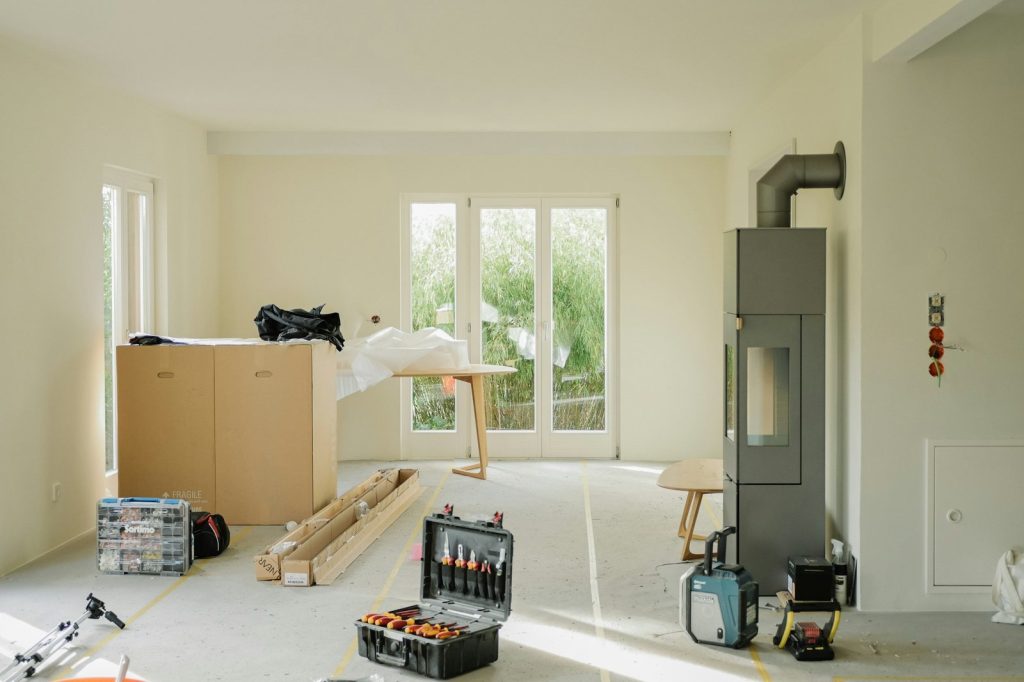
Sliding windows renovation timing is the part of a project that gets overlooked until something goes wrong. New windows scheduled too early means they get damaged by other trades working around them. Scheduled too late means the rest of the trades wait on them, the building stays open to weather longer than it should, and the install crew works around finished surfaces they shouldn’t touch.
This article is the practical sequence: where sliding windows actually belong in a Jamaican residential renovation, and what gets done before and after.
The principle: envelope first, finishes last
The general rule in any renovation is envelope first, finishes last. The building has to be weather-tight before anything pretty goes inside, because rain or wind that gets in undoes everything that follows it.
Windows are part of the envelope. They go in early, after the building is structurally ready to receive them and before any interior finish work starts.
The full sequence for a typical residential renovation in Jamaica looks roughly like this:
- Demolition and structural changes (any wall removals, new openings, roof work).
- New openings cut and prepped for windows.
- Roof repaired or replaced if part of scope.
- Windows installed. Building envelope is now sealed.
- Rough plumbing and electrical run inside the now-protected walls.
- Insulation (if applicable; less common in Jamaica than in temperate climates).
- Drywall or plastering on interior walls.
- Painting.
- Cabinets, fixtures, and tile.
- Flooring.
- Trim and finish carpentry, including window trim if separate from the install.
- Final clean and handover.
The window install sits squarely in the middle of the project, which is why it’s both the easiest step to misplace and the most disruptive when it’s misplaced.
What has to be done before windows
The work that needs to be complete before the window crew shows up:
The openings need to be the right size and square. If the renovation includes cutting new openings or modifying existing ones, that block work or framing has to be done. The window can’t be measured properly against an opening that’s still being built.
The roof has to be functional. The window install crew won’t seal a window into an opening below a roof that’s still leaking; the new seal will fail.
Any wall removal or addition affecting the window’s surrounding area has to be done. Adding a wall under a window after the window is in means awkward work around new finishes.
Permits for the work need to be in hand. Some parishes require permit approval before any envelope changes proceed.
What gets done after windows
The work that needs the window in place first:
Drywall or plaster around the openings. The interior wall finish wraps the window frame; that wrap needs the window to be set first.
Final interior trim around the openings. The window’s interior trim integrates with the wall finish and the rest of the room’s trim.
Painting of the interior walls around the openings. Paint goes on after the window is set so the seal between paint and frame is clean.
Furniture, fittings, and window treatments. These are end-of-project items that need the window in place and finished.
Common timing mistakes
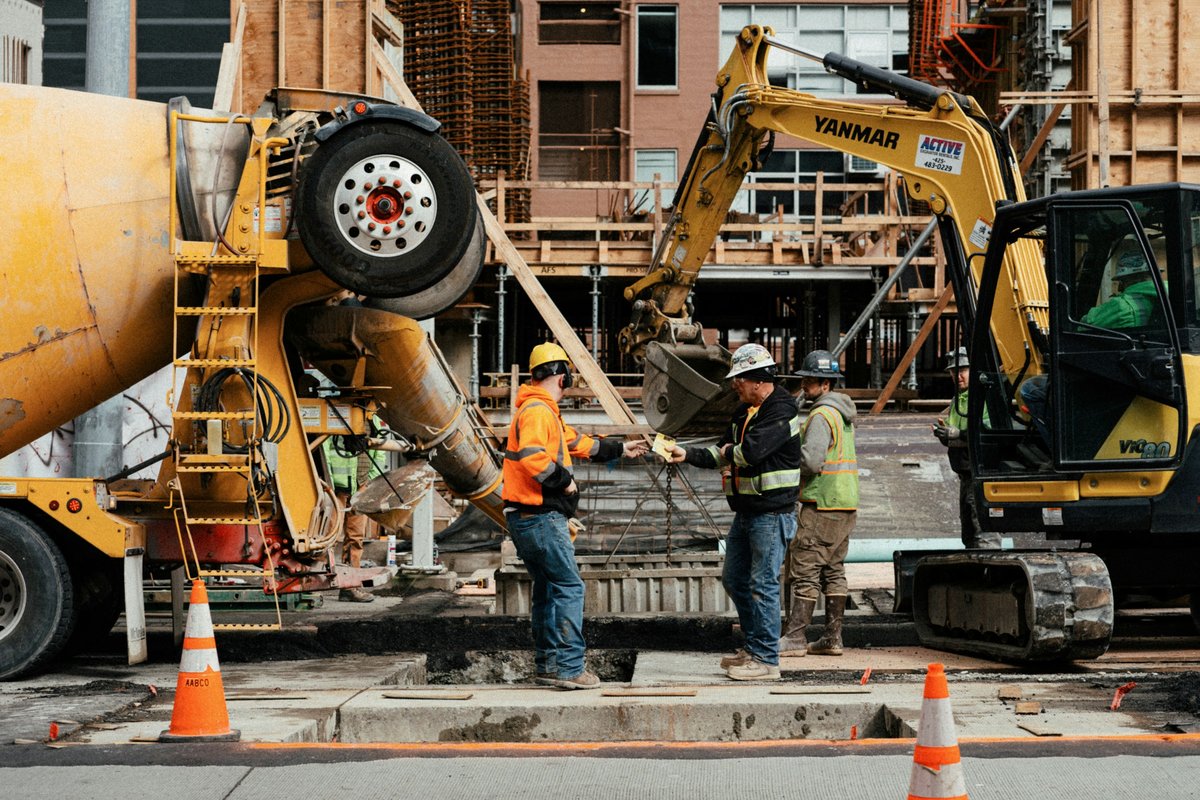
The mistakes we see most often on Jamaican residential renovations:
Windows scheduled too late. Painting and tile crews already on site, doing work that has to be redone or carefully protected when the window install starts. Adds cost, slows the project, creates trade-coordination friction.
Windows scheduled too early. Rough plumbers and electricians moving through openings, leaning ladders against new frames, splashing pipe cement on glass. Damage that the homeowner ends up paying for or arguing about.
Windows scheduled with a wet-season buffer. Open envelope plus an October downpour equals interior water damage. The install should be scheduled with weather in mind, especially during hurricane season (June-November).
No coordination with other trades. The window crew shows up to find scaffold from another trade in the way, or finds the opening blocked by stored materials. Adds delay days that compound across the project.
Custom window order placed too late. Custom fabrication takes 3 to 5 weeks. If the order goes in only when the openings are ready, the project waits on the fabricator. The window order should go in as soon as the opening dimensions are confirmed by site measurement, not when the openings are physically ready.
Jamaican-specific timing considerations
A few things shift the standard sequence for Jamaican residential renovations:
Block walls vs frame walls. Most Jamaican homes are block construction, which means modifying or adding openings involves cutting block rather than re-framing studs. Block cutting is messy, dusty, and creates more debris than frame work. The window install needs to happen after that debris is cleared and the opening is properly prepared.
Hurricane season scheduling. Avoid having the building envelope open during peak storm risk (August through October). For projects running across the season, sequence the window install for the calmer months (December through May) where possible.
Rainy-day flexibility. Even outside hurricane season, Jamaican rain can disrupt an install scheduled for a specific day. Build a buffer of 1-2 days into the schedule and confirm the install date 24-48 hours ahead based on the forecast.
Working with a general contractor
If your renovation has a general contractor running the overall project, the GC typically coordinates the window install timing with the other trades. The window installer reports to the GC and the timing falls into the GC’s overall schedule.
If you’re managing the renovation yourself (common on smaller Jamaican residential jobs), you become the coordinator. The window install needs to be calendared explicitly between the “envelope ready” milestone and the start of interior finish work. Don’t leave it to drift.
Related reading
- How long does a sliding window install actually take?
- Custom vs standard sliding windows: which fits your home?
Frequently asked questions
Do windows go in before or after drywall?
Windows go in before drywall, almost always. The building envelope has to be sealed before interior finish work starts; otherwise rain or wind undoes the finishing. Windows are part of the envelope, so they install after the roof is sound and before drywall, plaster, or paint.
When should I order custom windows during a renovation?
As soon as the opening dimensions are confirmed by site measurement, not when the openings are physically ready to receive windows. Custom fabrication takes 3 to 5 weeks in Jamaica; ordering too late means the rest of the project waits on the windows.
Can sliding windows be installed during hurricane season?
Yes, but with weather caution. Avoid scheduling the install on days with active tropical systems or heavy rain forecast. For larger projects running across hurricane season, sequence the envelope work for early in the season when storms are less likely. December through May is the safer window for envelope-opening work.
What happens if windows are installed too late in a renovation?
Painting, tile, and other finish crews are working on or around the openings when the window crew arrives. The result is rework on finishes that get damaged during install, careful protection that slows the install, and trade-coordination friction. The project schedule typically slips by days to weeks depending on how late the window install was.
Do I need a general contractor to coordinate sliding window install timing?
Not always. For larger renovations with many trades, a general contractor makes the coordination much easier. For smaller renovations (a kitchen or one bedroom), the homeowner can coordinate directly, as long as the window install is explicitly calendared between the envelope-ready milestone and the start of interior finishes.
The next step
If you have a renovation in planning and want a sliding window quote that accounts for the broader project timing, the quote request form takes the project scope and timeline. We come back with lead times and an install window that fits cleanly into the sequence.
The sliding windows service page covers what we install. The contact page is for questions before the formal quote.
Get the window timing right and the rest of the renovation flows smoothly around it. Get it wrong and every other trade ends up working around the consequences.