

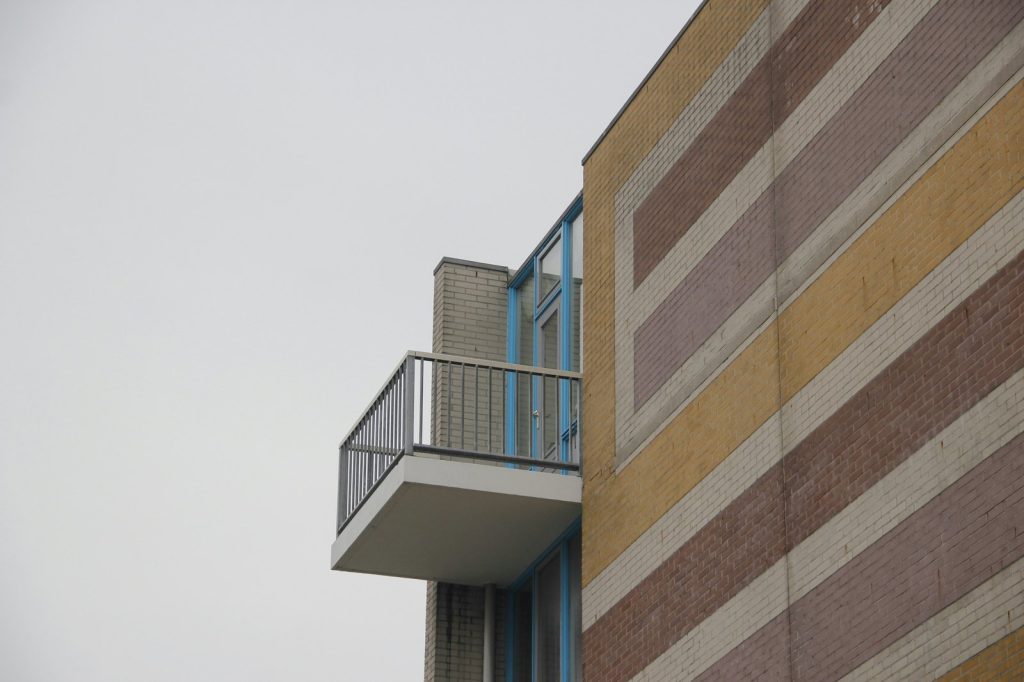
Aluminum finish options for glass railings: black, white, bronze, natural
The finish on the aluminum frame of a glass railing is what most people actually see first. The glass itself is essentially invisible from any distance, so what reads as the design choice is the colour and texture of the metal around it: black posts, a white top rail, bronze hardware, raw aluminum. Each of those carries practical consequences beyond the look, all the way through to how the railing ages and what it costs to maintain.
Here is how we think about the finish options on a Jamaican glass railing project, and which one fits which kind of home or building.
The finish technologies
Before colour comes the underlying technology, and two approaches dominate finishing for aluminum railing components.
Powder coat is dry plastic pigment applied electrostatically and baked on at high heat. Comes in essentially any colour you want. AAMA 2604 is the residential standard with 15 to 25 years of finish life on the coast, AAMA 2605 is the commercial-grade standard running 25 to 40 years. Most Jamaican glass railing work uses powder coat at one of those two standards.
Anodised is an electrochemical process that thickens the aluminum’s natural oxide layer. The finish ends up part of the metal rather than a coating sitting on top of it. Extremely durable, scratch resistant, will not peel or chip. The trade-off is a limited palette: clear, bronze, a handful of silvers, and black only through specialised processes. Costs more than powder coat but lasts longer where the environment is harsh.
For most Jamaican residential glass railings, powder coat is the right answer. For premium commercial work, prestige residential, or anywhere the finish needs to make it past 40 years without touch-ups, anodised earns its price difference.
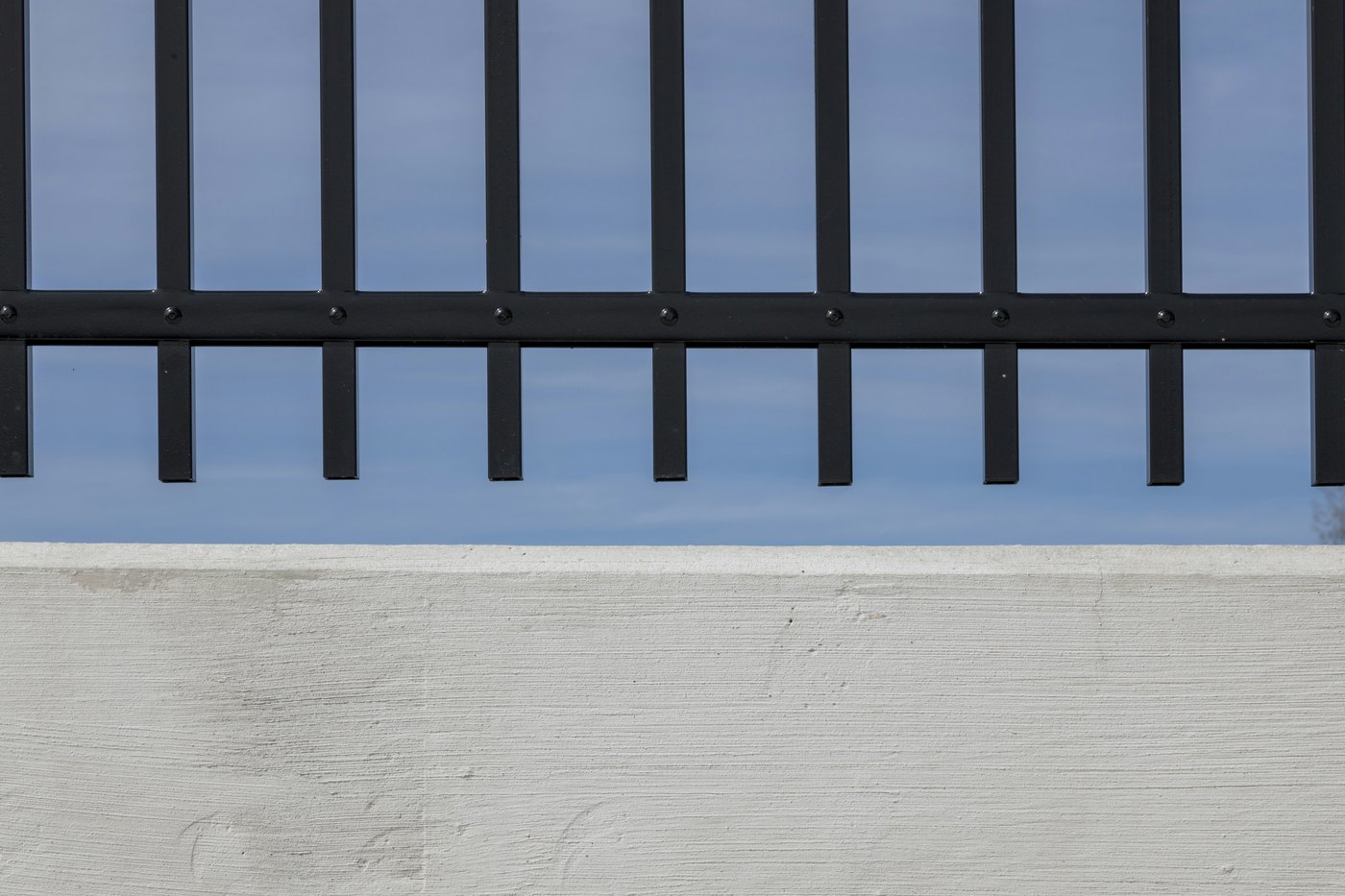
Black
The most popular finish on Jamaican glass railing work right now, by a noticeable margin. Modern, clean, photographs well, pairs with most architectural styles you would encounter on a current residential project. Works on Mediterranean homes, contemporary, minimalist, even some Caribbean colonial styles where the rest of the design language stays restrained.
It works best on contemporary architecture, modern Mediterranean, urban townhouses, anywhere the design language is graphic and crisp. It does not work as well on traditional Jamaican homes where black aluminum can look out of place, on heavily landscaped properties where it ends up competing visually with the foliage rather than complementing it, or on some pool-area applications where black framing on a glass pool fence reads as heavy against blue water.
One thing to know on the maintenance side: black powder coat shows water spots and dust more visibly than lighter colours, so each cleaning session takes a few minutes longer to get right. Not a deal-breaker, just a fact.
Cost is standard powder coat with no premium over white or beige. Anodised black is more expensive (20 to 35 percent premium) and not really necessary on most residential installs.
White
The classic Caribbean choice. Bright, clean, fades visually into bright sky and white walls so the glass essentially disappears from a distance. Particularly good on traditional Jamaican homes and Mediterranean architecture, which is where you see it most often.
Works best on Mediterranean and Spanish colonial homes, Caribbean traditional, beach houses, anywhere the railing should be present but not dominant. Works less well on contemporary minimalist work where the lack of contrast can read as weak, or on heavy industrial and modern commercial where white starts to read as residential rather than serious.
Maintenance demand is higher than black. White shows dirt and discolouration over time, particularly in dusty inland conditions, and visible salt deposits accumulate on coastal installs. Requires more frequent cleaning than black to keep the crisp appearance that made you pick it in the first place.
Cost is the same as black. No premium.
Bronze
The understated premium option. Reads as warm and architectural. Pairs with stone, brick, wood, and natural materials in a way black and white cannot. Anodised bronze in particular has a depth and richness that powder-coat bronze never quite gets to.
Works best on hillside homes with stone or wood elements, prestige commercial, mid-century modern, anywhere the design language is warm rather than cool. Less appropriate in bright white or stark contemporary spaces where bronze can look dated rather than warm. Avoid in industrial or graphic-modern aesthetics.
Maintenance is forgiving. Bronze hides dirt and water spots better than black or white, landing somewhere in the middle for visible cleaning frequency.
Cost is where it gets serious. Anodised bronze runs 30 to 50 percent over powder-coat finishes. Worth it on prestige commercial and high-end residential where finish longevity and depth genuinely matter, harder to justify on a budget residential install.
Natural (mill finish or clear anodised)
The honest aluminum look. Raw mill finish has no surface treatment beyond what the extruder did. Clear anodised is the protected version that looks similar but has proper corrosion resistance built in.
Works best on industrial aesthetics, modern commercial loft, anywhere the design is meant to read as honest and unfinished. Does not work in residential generally because the look reads as too utilitarian for most homes.
Mill finish shows scratches and oxidises over time in coastal environments, so it is acceptable inland but a poor choice on the coast. Clear anodised holds up much better and is what we would spec if a client really wanted the natural look near salt water.
Mill finish is the cheapest option (20 to 30 percent below powder coat). Clear anodised costs about the same as powder coat.
Custom colours
Most powder-coat suppliers can match almost any RAL colour code. Premium for custom colour over standard black, white, or beige runs 10 to 25 percent depending on the colour and the supplier you are using.
The custom requests we see most often on Jamaican projects:
Architect-specified RAL codes matching other building elements (window frames, roof flashing, signage).
Anthracite grey as a modern but softer alternative to pure black.
Forest green or deep navy for traditional homes where black would read too harsh.
Cream or warm beige for Mediterranean homes where pure white feels too clinical.
Lead time on custom powder coat colours runs 1 to 2 weeks longer than standard colours, which is worth factoring into the project schedule.
Matching hardware finish to frame finish
A separate question that often gets overlooked. The stainless hardware (spigots, brackets, clamps) has its own finish, and how it pairs with the aluminum frame is part of the design decision rather than an afterthought.
What we typically see working well:
Black aluminum frame with brushed stainless hardware. Clean modern look, the hardware reads as a deliberate accent.
White aluminum frame with mill stainless hardware. The hardware fades visually into the white.
Bronze frame with bronze or oil-rubbed bronze hardware. Coordinated warm tones throughout.
Mill aluminum frame with brushed stainless hardware. Industrial look.
Powder-coated hardware matched to the frame colour for a single-colour reading. Some suppliers offer this off the shelf; others need to do it as custom finishing.
When you are not sure, brushed stainless is the safest universal choice. It pairs with any frame colour without looking off, and it is what we default to when the client does not have a strong opinion.
Choosing for a Jamaican coastal install
A few extra considerations when the install has to survive salt air.
Stick with AAMA 2604 as the minimum spec, prefer AAMA 2605 for premium work. Substandard powder coat finishes chalk and fade within 5 to 7 years on the coast.
Anodised finishes outperform powder coat in extreme coastal exposure. The premium is genuinely worth it for installs within 200 feet of salt water.
Lighter colours show salt residue more visibly but require less aggressive maintenance to keep looking right. Darker colours hide salt initially but need diligent cleaning to prevent permanent residue patterns from setting in.
Custom colours can be harder to touch up at year 10 if the original colour is no longer in the supplier’s catalogue. Standard black, white, and bronze are safer choices on coastal work where future touch-ups are more likely to be needed.
How we recommend choosing
A practical sequence we run clients through when the finish decision is on the table.
Start with the architectural style of the home or building. Black for contemporary. White for Mediterranean and Caribbean traditional. Bronze for warm-toned homes with stone or wood. Natural for industrial or honest-material aesthetics.
Cross-check against the maintenance you will actually do, not the maintenance you would do if you were more disciplined. Black shows water spots. White shows dirt. Bronze and natural sit between them. Pick a finish that matches both the aesthetic and the cleaning schedule you can realistically commit to over the next twenty years.
Verify against the coastal exposure. Within 200 feet of salt water, lean toward anodised over powder coat. Within 1 mile, AAMA 2605 powder coat is acceptable.
Consider the hardware finish in parallel with the frame. The two should either coordinate deliberately or contrast deliberately, never accidentally clash because nobody thought about it.
When in doubt, black powder coat on AAMA 2604 with brushed stainless hardware is the safest universal call for Jamaican residential. Works on almost any architecture, costs no premium, and ages predictably over decades.
Related reading
- What does a glass railing installation cost in Jamaica?
- How to choose the right glass thickness for glass railings
- How long do glass railings last in coastal Jamaican homes?
For background on the science of powder coating and how AAMA standards classify finish durability, see the Wikipedia entry on powder coating.
The next step
If you are choosing the aluminum finish for a glass railing project in Jamaica and want to see physical samples of the options at your home or in our showroom, our team is happy to arrange it. Looking at finishes in their actual lighting environment is the easiest way to make the call.
Request a finish sample consultation, browse our work, or get a quote on a new install to start.