

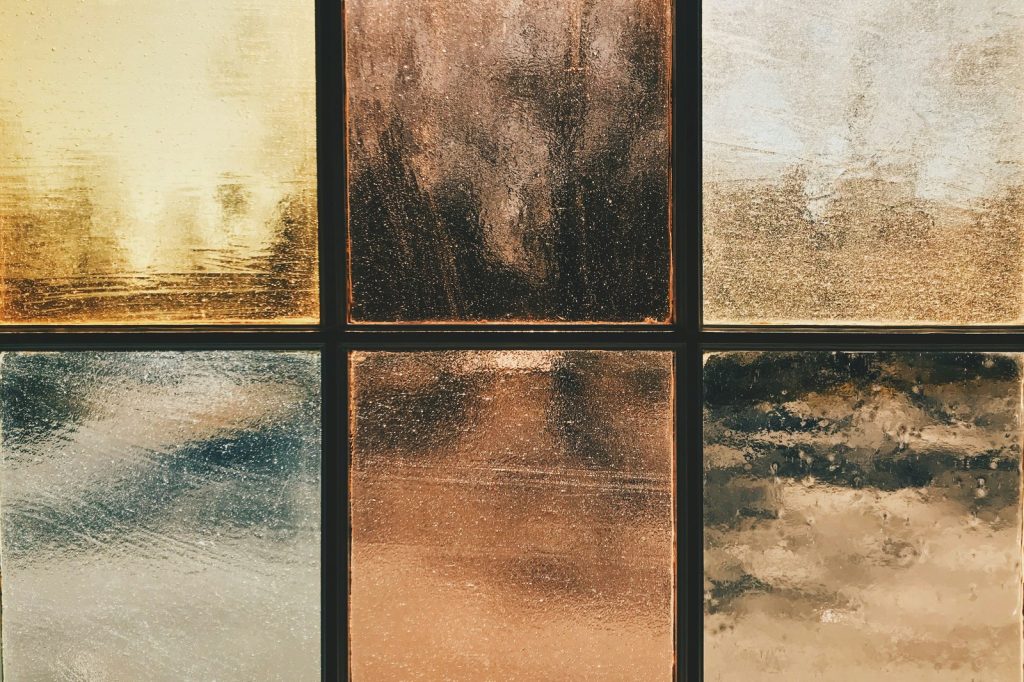
Glass type guide for glass railings: clear, frosted, tinted, tempered, laminated
Glass on a railing is really two decisions at the same time. What it looks like (clear, frosted, tinted, decorative) and what kind of safety glass it is underneath (tempered or tempered laminated). The two are independent of each other. Any visual treatment pairs with either safety option, so the catalogue page where every combination is laid out gets overwhelming pretty fast. The simpler way to approach it: pick the safety glass first because code drives that choice, then layer the visual treatment on top.
The safety glass question
This one comes first because it is non-negotiable. Any glass railing in Jamaica has to use safety glass that meets code, and there are two main types worth knowing.
Tempered glass is heat-treated to be 4 to 5 times stronger than annealed glass. When it breaks, it shatters into small relatively safe fragments rather than sharp shards. The standard choice for residential railings. Available in any thickness, any colour, any finish.
Tempered laminated glass is two layers of tempered glass bonded together with a plastic interlayer (PVB or SentryGlas). When it breaks, the fragments stay bonded to the interlayer, so the panel holds together rather than falling out of the frame in pieces. Required by code for many commercial elevated balconies, multi-family balconies, and some residential elevated installs where a falling panel could be dangerous.
For Jamaican residential ground-floor and single-story balcony work, tempered is usually fine. For multi-story residential where a falling panel could hurt someone below, tempered laminated is safer and may be required by code. For commercial elevated, hospitality, and multi-family, tempered laminated is generally required.
Clear glass
The default. The most common choice. Maximises the visual openness that was the whole reason to go with glass in the first place.
It looks essentially invisible from most angles, with a slight visible green tint at the edges of thick panels (a natural property of standard soda-lime glass). Works on any railing where the view is the priority: balconies overlooking gardens, ocean, pool areas, contemporary architecture where the design wants minimum visual interruption. Skip clear when the application is actually about privacy (bathroom partitions, ground-floor pool fences where neighbours can see in) or when intense direct sun would make tinting useful for glare reduction.
Cost is the baseline. Every other glass type on this list is priced relative to clear.
Low-iron clear glass
The premium version of clear. Glass with the iron content reduced during manufacturing, which eliminates the slight green tint that standard clear has at the edges and through thick panels.
Looks completely colourless, even at 3/4 inch thickness. The difference shows up most on tall installs, thick panels, and laminated assemblies where the edge view is more visible. The right choice on premium residential where the green tint of standard clear is noticeable and bothersome, showrooms, prestige commercial. Usually overkill on standard residential where the tint barely registers.
Premium of 20 to 40 percent over standard clear. Worth it on prestige work where the visual bar is highest; not worth it on most homes.
Frosted glass
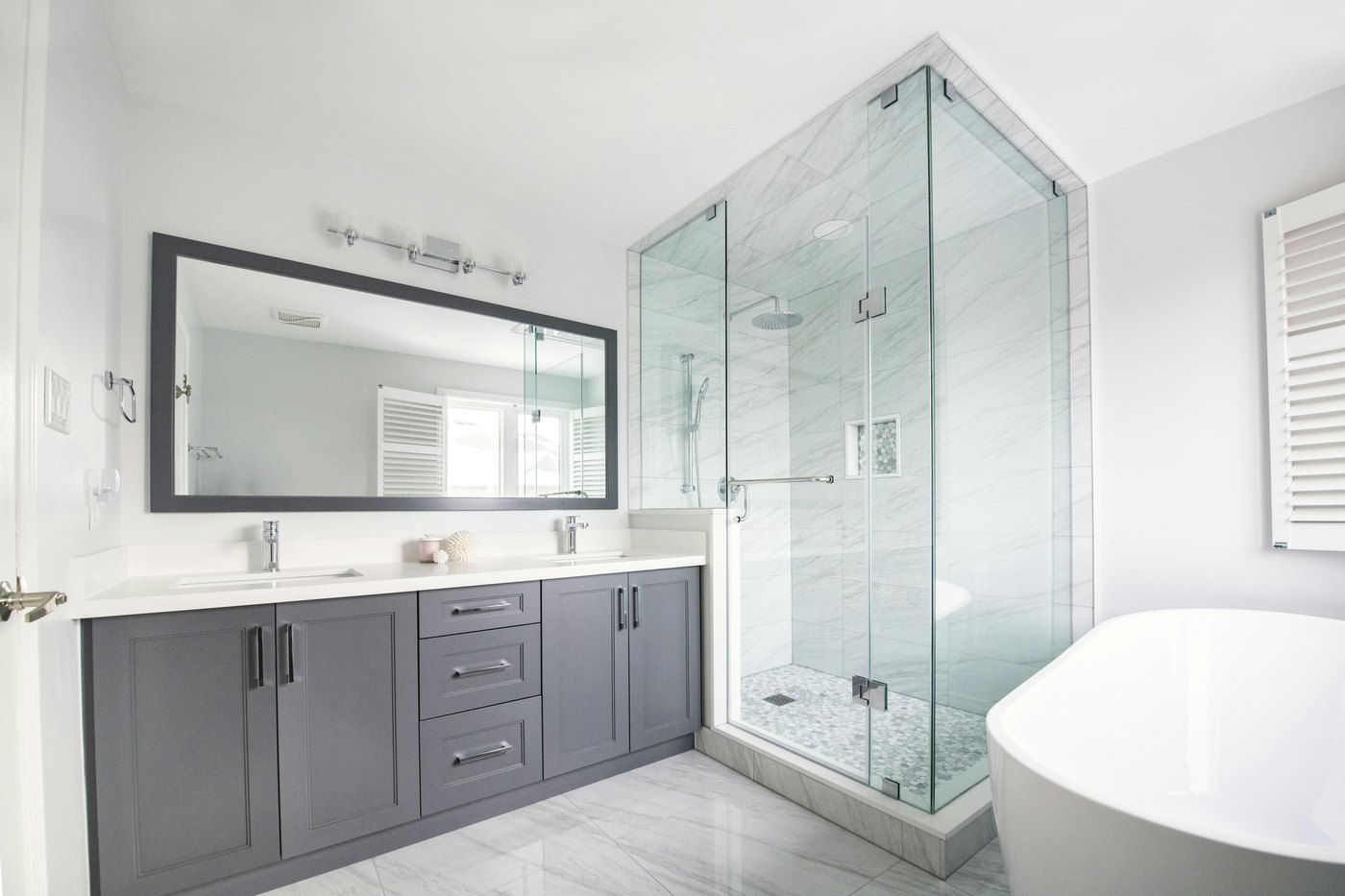
Glass with a surface treatment that diffuses light through it. Provides privacy while still letting light through.
There are two processes worth knowing about. Acid-etched frosted is the higher-quality option: chemical acid permanently etches the surface, the feel is smooth, the appearance is even, the finish will not scratch off. Standard for premium frosted applications. Sandblasted frosted uses pressurised abrasive to mechanically roughen the surface: cheaper, slightly less even visually, can collect dirt in the rough surface, less suitable for coastal because salt residue gets trapped in the texture.
Frosted glass can be single-sided (one face frosted, the other clear) or double-sided (both faces frosted). Single-sided is more common; the clear face goes toward the public side, the frosted face toward the private side.
Works well on bathroom partitions on balconies, pool fences where privacy from neighbours matters, any railing where partial privacy is wanted without losing all the light transmission.
Cost is 25 to 50 percent premium over clear for acid-etched, 15 to 25 percent for sandblasted. The same premium stacks on top of tempered or tempered laminated.
Tinted glass
Glass coloured during manufacturing with metal oxides. Bronze and grey are the most common; green and blue are available by special order.
From outside the install, the glass reads as the tint colour. From inside, the view shifts toward that colour: objects look slightly bronze or grey through the glass. Useful on large glass installs with significant sun exposure where the tinting reduces glare and heat gain, commercial work where the coloured glass is part of a brand, modern residential where bronze or grey complements the architecture.
The cases to skip tinted are usually obvious in retrospect: ocean-view balconies where the tint changes the colour of the water (not great), pool areas where the tint changes how the water reads (also not great), most standard residential where the view itself is the priority.
Cost is 30 to 50 percent over clear, comparable to frosted.
Reflective glass
Glass with a thin metallic coating on one surface. Reflects light from one side, lets light through from the other. Sometimes marketed as “mirrored glass” or “one-way glass.”
From the bright side it looks like a mirror. From the darker side it is reasonably transparent. The technology only actually works when one side is significantly brighter than the other, which is not the case for most railing applications. Used very rarely on railings, occasionally on commercial applications where daytime privacy from outside matters.
Cost is 60 to 100 percent premium over clear. Almost never worth it on a railing project.
Decorative glass
Glass with patterns, textures, or graphics either created during manufacturing or applied as films afterwards.
Patterned glass has textures rolled or pressed into the surface (rain, reeded, fluted, hammered). Provides partial privacy with visual interest. Standard for older residential and some commercial work.
Etched-graphic glass has logos, patterns, or images sandblasted or acid-etched into the surface. Common in commercial branding.
Tinted-graphic film is decorative film applied to clear glass after install. Cheaper than etched glass, can be removed or replaced.
Fits well on commercial branding, design-led residential, anywhere a decorative element is part of the brief and the rest of the design supports it.
Cost is highly variable. Standard patterned glass is 20 to 40 percent premium over clear. Custom etched can be 100 to 300 percent depending on complexity.
The combinations that actually matter
For most Jamaican residential glass railing work, the combinations we actually quote come down to a small set.
Standard residential balcony gets clear tempered. The baseline. Maximum view, code-compliant, most cost-effective.
Coastal multi-story balcony gets clear tempered laminated. Code-driven choice for safety against falling panels. No premium on the visual side.
Premium residential where the green tint of standard clear actually shows up in the install gets low-iron tempered. Modest premium, noticeable upgrade on prestige work.
Pool fence with privacy from neighbours gets frosted tempered (acid-etched). Standard for poolside privacy.
Bathroom partition or en-suite privacy glass gets frosted tempered, usually single-sided with the frosted face toward the bathroom.
Large air-conditioned commercial with serious sun exposure gets tinted tempered (bronze or grey). Reduces cooling load while still meeting code.
Commercial branding or prestige residential design feature gets etched-graphic tempered or tempered laminated. Custom-quoted based on complexity.
A few common mistakes
Choosing frosted because “privacy seems important” when the railing overlooks the ocean and there is no actual privacy concern. The view ends up blocked, the benefit ends up imaginary.
Choosing tinted because the brochure photo looked nice, when the install is on a north-facing balcony with minimal sun exposure. The view picks up a colour shift, no glare reduction shows up because there is no glare to reduce.
Choosing low-iron because it sounds premium, when the install uses thin panels where the green tint barely registers anyway. 30 percent more spend, zero visible improvement.
Choosing tempered laminated when single-ply tempered would meet code, on the theory that “laminated is always safer.” 60 to 90 percent premium on the glass with no real benefit for that application.
Choosing decorative patterned glass for a contemporary install where it clashes with the architecture. A railing that does not fit the rest of the design.
The right call usually starts with the simplest option (clear tempered) and steps up only when something specific requires the upgrade: code requires laminated, view conditions require tinting, the application requires privacy frosting, the architecture calls for a decorative element.
How we recommend choosing
Pick the safety glass type first. Tempered for residential ground floor and single-story. Tempered laminated for multi-story residential, commercial elevated, hospitality, multi-family.
Then pick the visual treatment. Clear is the default. Frosted for privacy. Tinted for serious sun exposure. Low-iron for premium clarity. Decorative for a specific design intent.
Combine the two however the project needs. Any visual treatment can pair with either safety glass type.
If you are not sure, clear tempered for residential and clear tempered laminated for commercial will get you the right answer for most projects. The simplest combinations are usually the right ones.
Related reading
- How to choose the right glass thickness for glass railings
- Hardware choices for glass railings: handles, hinges and locks
- Aluminum finish options for glass railings: black, white, bronze, natural
For background on the chemistry behind tempered and laminated glass, see the Wikipedia entry on safety glass.
The next step
If you want to see physical samples of the different glass types (clear vs low-iron vs frosted vs tinted) before deciding on a railing project, our team can arrange a sample visit. The difference between options is much more obvious in person than in a brochure.
Request a glass sample consultation, browse our work, or get a quote on a new install to start.