

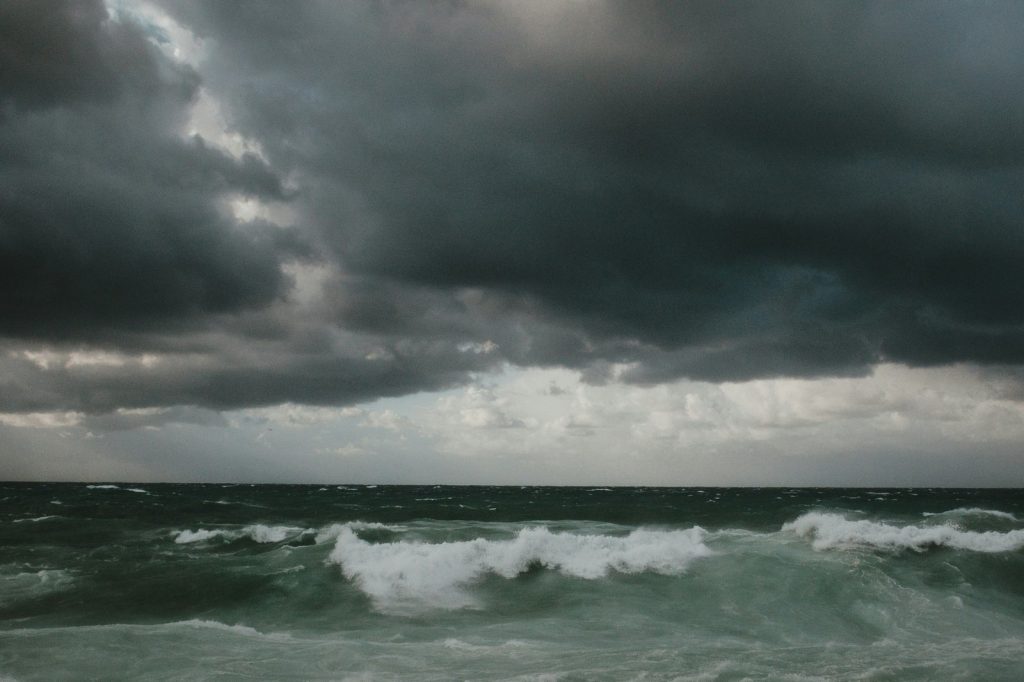
Glass railings during hurricane season: what to know
Every year between June 1 and November 30, the question we get most from prospective clients is some version of “will it survive a hurricane?” Fair question. Beryl in 2024 made it concrete in a way that statistics never quite manage to. The honest answer: yes, a correctly-specced glass railing rides out a Category 4 without dramatic failure, and we have post-Beryl inspection data to back that up. But “correctly-specced” is doing serious work in that sentence. Most of what determines whether your railing survives is decided at the spec stage, not on the day the storm shows up. This is the guide to all of it.
The short answer up front
A glass railing built to the spec we use for Jamaican coastal and exposed sites will reliably ride out a Category 3 with no structural damage and a Category 4 with no structural damage and minimal cosmetic damage. Category 5 direct hit is a more serious question. Even properly-engineered railings can lose individual panels to airborne debris in that range, but the structural railing system and the supporting hardware will hold.
A glass railing built to a budget spec (12 mm tempered panels, 304 stainless hardware, generic silicone, no on-site engineering) starts losing panels in a Category 2 and is genuinely at risk of complete structural failure in anything Category 3 or above. The gap between those two outcomes is roughly JMD 400,000 to 600,000 of upfront spec investment.
The engineering basics that matter
A handful of specific decisions determine almost everything about how a glass railing performs in a hurricane.
Tempered laminated glass, not just tempered. Laminated panels are two glass sheets bonded by a PVB (polyvinyl butyral) or SGP (SentryGlas Plus) interlayer. If the glass cracks, the panel holds together and stays in the railing instead of becoming wind-borne debris itself. A single tempered panel without lamination shatters into the famous “rock-salt” fragments when it fails, and those fragments fly. Laminated panels stay attached to the railing frame even after fracturing. This is the single biggest engineering call.
Panel thickness rated to actual local wind speeds. 17.5 mm laminated panels (two 8 mm sheets plus a 1.5 mm interlayer) handle the design wind speeds for most of coastal Jamaica with comfortable margin. 12 mm laminated handles inland sites. Going thinner saves about 25 percent on glass cost but cuts the wind-load margin to nearly zero, which is fine until it isn’t.
Hardware engineered to the same wind load as the glass. The whole assembly is only as strong as its weakest link. We have seen post-storm sites where the glass panels survived perfectly but the spigot bases pulled out of the concrete because the anchor spec was lower than the panel spec. Pointless. Both numbers have to match.
316 stainless hardware throughout. Coastal Jamaica is corrosive enough that any compromise in hardware grade shows up within 2 to 5 years as tea-staining, pitting, and eventually structural weakness. A weakened anchor that survived three previous storms is the one that fails in the fourth.
Engineered anchor patterns at corners and ends. Corner panels see significantly higher wind pressure than mid-run panels because of the pressure differential as wind flows around the corner. Reinforced anchor counts at corners (typically 3 anchors per spigot instead of 2) are non-negotiable in hurricane-spec installs.
What “hurricane-rated” actually means
There is no single Jamaican building-code certification that translates directly to “hurricane-rated glass railing.” What we do instead is engineer to recognised international standards that map well to local conditions.
For wind load: ASCE 7-22 design wind speeds calculated for the specific site location, with a 1-in-50-year recurrence interval rather than the standard 1-in-25-year. Site location matters significantly here. Wind speeds differ by 30 to 50 percent between, say, a sheltered Kingston hillside and an exposed north coast oceanfront.
For impact resistance: ASTM E1996 Level D missile impact (the standard used for hurricane-prone Atlantic and Gulf coast residential). The standard requires panels to survive impact from a 9 lb 2×4 piece of lumber travelling at 50 feet per second, followed by cyclic pressure loading at hurricane wind levels.
For laminated glass durability: ASTM E2190 for safety glazing materials.
A reputable installer can show you which standards they engineer to. If a quote does not mention any standards at all, that is a flag worth raising before you sign.
What a correctly-specced railing actually survives
After Beryl (July 2024, Category 4 at peak intensity, Category 3 sustained when it passed close to Jamaica) we walked roughly 50 glass railing installations across the south coast and parishes Beryl tracked closest to. The summary, broken down by spec category:
At our full hurricane spec (17.5 mm laminated, 316 stainless, ASCE 7-22 to 1-in-50 wind load, engineered corner anchors): structural integrity preserved across every site. A small handful of panels lost out of hundreds inspected, all from confirmed debris impact (a neighbour’s satellite dish in one case, unsecured outdoor furniture upwind in two others). Standard maintenance replacements. No anchor failures. No hardware failures.
At intermediate spec (12 mm laminated, 316 stainless, basic engineering): structural integrity mostly preserved but with a noticeable panel-loss rate, around 8 percent. Some hardware failures concentrated around corners where the anchor count had been minimised.
At budget spec (12 mm tempered non-laminated, 304 stainless, no engineering): a significant proportion of the installs had lost panels, anchors, or whole sections of railing. These were the homes that needed urgent post-storm temporary fencing because the railing was simply gone.
The pattern was unmistakable and expensive. Up-front spec investment correlated almost perfectly with post-storm survival.
Hurricane preparation: what to actually do
Even on a perfectly-engineered railing, there are sensible things to do as a hurricane approaches.
Remove anything not bolted to the property. Outdoor furniture, planters, pots, decorations, BBQs. Anything that can become a projectile. Wind-borne debris is the single biggest threat to glass railings during a hurricane. Your own patio chair flying at 80 mph into your own glass panel is the most common cause of preventable damage we see post-storm.
Secure pool covers, umbrellas, and shade sails. These become enormous wind-borne objects when they tear loose. We have seen a pool cover torn off and wrap entirely around a glass railing 40 feet away.
Check (if you can do so safely) that all visible fasteners on your railing are torqued. Loose fasteners are at much higher risk during cyclic wind loading. If anything looks loose or has corrosion staining, it is too late to fix before the storm but it is worth noting for post-storm professional inspection.
Do not tape, cover, or board over glass railings. Tape and boards on the glass itself do not improve wind resistance and they can damage the silicone seals when removed. Hurricane shutters on windows and doors are a separate conversation; glass railings stand on their own engineering.
Take dated photos of your railing in good condition before the storm. If post-storm damage occurs and you need to engage insurance, before-and-after photos with timestamps make the claim go much faster.
During the storm
Stay away from glass railings during the storm itself. This sounds obvious but the temptation to watch from a vantage point is real, especially on second-storey balconies with view-protecting glass. Indoor side of the property only, away from any exterior glass, until the all-clear.
If your railing panels start moving or showing visible flex during peak wind, do not approach them to investigate. Note the time and location for post-storm assessment. The risk to the panel is real but the risk to a person standing near a flexing panel is much higher.
Post-storm inspection
After the all-clear and conditions are safe, walk the railing and look for specific things.
Visible cracks in any panel, even small ones. Laminated glass holds together when cracked but the panel needs replacement, because crack growth under future load is unpredictable.
Loose or backed-off fasteners on any hardware. Cyclic wind loading during a storm can loosen fasteners that were properly torqued before. Re-torque to spec is the standard fix.
Misalignment of any panel that was previously plumb and level. Out-of-plumb panels after a storm indicate either anchor movement or structural slab movement, both of which warrant professional inspection.
Silicone joint integrity at glass-to-hardware interfaces. Storm flexing can crack silicone seals and let moisture into the interface, which will accelerate hardware corrosion if not addressed.
Hardware corrosion signs that were not present before the storm. Salt-laden hurricane wind drives chloride deposits into every hardware crevice, and if the passivation layer was damaged the corrosion can start within days.
Schedule a professional post-storm inspection if you had any visible damage at all. Most insurance policies require professional assessment to validate a claim, and most installers offer post-storm inspections at no cost to existing clients.
What insurance typically covers
Most Jamaican homeowners’ insurance policies cover storm damage to fixed architectural elements including glass railings, but the specifics vary significantly by policy. A few things worth verifying with your insurer before storm season:
Whether your policy covers glass railings specifically or only “exterior glazing” in general. Some policies distinguish, some don’t.
The deductible structure for storm damage versus general damage. Many policies have higher deductibles for named-storm damage.
Whether replacement value or depreciated value applies. Replacement value gets you a like-for-like new railing; depreciated value pays out a fraction of that.
Whether the policy requires documentation of original installation specs to validate a hurricane-damage claim. Some insurers want to see proof that the original install met an engineering standard before paying out.
If you do not know the answer to any of these, that is a useful pre-season conversation to have with your insurance broker.
Hurricane spec versus inland spec: the cost difference
For a typical 35 to 40 foot residential balcony install:
Standard inland spec (12 mm tempered laminated, 304 stainless, basic engineering): JMD 1.2 to 1.6 million installed.
Full hurricane coastal spec (17.5 mm tempered laminated, 316 stainless, ASCE 7-22 wind engineering, reinforced corners, marine silicone, on-site passivation): JMD 1.8 to 2.4 million installed.
The hurricane premium runs JMD 400,000 to 800,000 on a typical install. Spread over 15 to 20 years of railing life including multiple hurricane seasons, that works out to roughly JMD 25,000 to 50,000 per year for hurricane resilience. Cheaper than most insurance premiums.
Salt deposition after the storm: the part nobody mentions
A glass railing that survives a hurricane in structural terms can still need attention. Salt deposition during a storm coats every hardware surface with chloride concentrations much higher than normal coastal exposure. Even on full 316 stainless hardware with intact passivation, post-storm tea-staining within 4 to 8 weeks is normal and not a sign of failure.
The right response is a thorough fresh-water rinse of all hardware within 48 hours of safe conditions, followed by professional passivation refresh within 30 days. We include post-storm rinse and passivation as a complimentary service for clients on our annual maintenance plan, because it is the single highest-leverage action for extending hardware life after a major storm.
A short summary
Glass railings on Jamaican homes survive hurricane season reliably when engineered to standard, and fail expensively when not. The difference is roughly JMD 400,000 to 800,000 of upfront spec investment, mostly in glass thickness, hardware grade, and engineered anchor patterns. Hurricane preparation is mostly about removing wind-borne projectiles from the property, not about doing anything to the railing itself. Post-storm inspection within 30 days is essential for catching problems before they progress to structural failure during the next storm.
If you are building or specifying glass railings on a Jamaican home, build for the worst storm the site is likely to see in its lifetime, not the average. Beryl was Category 4. The next one might be Category 5. Spec accordingly.
Related reading
- Glass railings in coastal Jamaican homes
- How long do glass railings last in coastal Jamaican homes?
- Why glass railings fail and how to prevent it
For background on the engineering standards that hurricane-rated glass railings reference, see the Wikipedia entry on hurricane shutter.
The next step
If you are designing or specifying a glass railing for a Jamaican home and want the install to actually survive hurricane season for the next 15 to 20 years, our team is happy to walk you through the engineering options. Honest input on glass thickness, hardware grade, anchor specification, and the cost differential between budget spec and hurricane-rated spec.
Request a hurricane-spec consultation, browse our work, or get a quote on a new install to start.