


Glass type changes the look of a shower enclosure more than almost any other spec decision. Standard clear, low-iron, frosted, tinted, textured, laminated. Each has a use case where it fits and use cases where it’s the wrong call.
Here’s the guide.
Standard tempered (clear) glass
The default. Standard clear tempered glass is what most shower enclosures use. Affordable, strong, allows full visibility, works for almost any bathroom aesthetic.
One cosmetic note: standard tempered glass has a slight green tint, most visible at the edge. The thicker the glass, the more obvious the tint. For 3/8 inch or 1/2 inch glass in a frameless enclosure, the green edge is visible if you look for it. Some people notice immediately; others never do.
Cost: baseline.
Best for: most residential bathrooms where visibility, value, and standard aesthetics are priorities.
When to upgrade: when the green tint bothers you (go low-iron), when privacy matters (go frosted or textured), when safety beyond tempered is required (go laminated).
Low-iron tempered glass
Same tempered glass, manufactured with lower iron content. Eliminates the green tint. Essentially clear, edge to edge.
The difference is most noticeable on thicker glass and in well-lit bathrooms. A 1/2 inch low-iron panel next to a 1/2 inch standard tempered panel reads as much cleaner.
Cost: 25 to 50 percent more than standard tempered on the glass line.
Best for: premium bathrooms where the glass is a featured design element, master bathroom showers with large panels where the green edge would be obvious, bathrooms with marble or other premium finishes where the green tint would clash.
When to skip: budget projects, smaller enclosures where the edge is barely visible, framed enclosures where the frame hides the edge anyway.
Frosted (acid-etched or sandblasted)
Glass treated to be translucent rather than transparent. Light passes through but you can’t see distinct shapes. Pattern can be uniform across the panel or applied as a partial frost (gradient, half-and-half, decorative).
Cost: 10 to 30 percent more than standard tempered.
Best for: bathrooms where privacy is wanted but full opacity isn’t, shower walls visible from other rooms, downstairs guest bathrooms, en-suite bathrooms shared between bedrooms, situations where a featured visual texture is wanted.
Maintenance note: frosted glass hides water spots better than clear glass but holds mineral deposits in the texture. Weekly cleaning matters more on frosted than on clear. Use a soft brush to work into the texture.
Tinted (bronze, grey, blue)
Glass with a colour tint added during manufacturing. Doesn’t obscure visibility the way frosted does. Just adds colour to whatever is seen through it.
Bronze tinted: warm tone, works with traditional or Mediterranean bathrooms.
Grey tinted: neutral, modern, works with most contemporary designs.
Blue tinted: less common, works in coastal or hospitality-inspired designs.
Cost: 20 to 50 percent more than standard tempered.
Best for: premium projects where the glass is a design element, bathrooms where tinted glass coordinates with other tinted elements (windows, decorative panels), or where the homeowner specifically wants the coloured aesthetic.
When to skip: most standard residential. Tinted glass is a specific aesthetic choice that doesn’t fit every bathroom, and it ages with the design trend rather than timelessly.
Textured (rain, ripple, bubble, custom patterns)
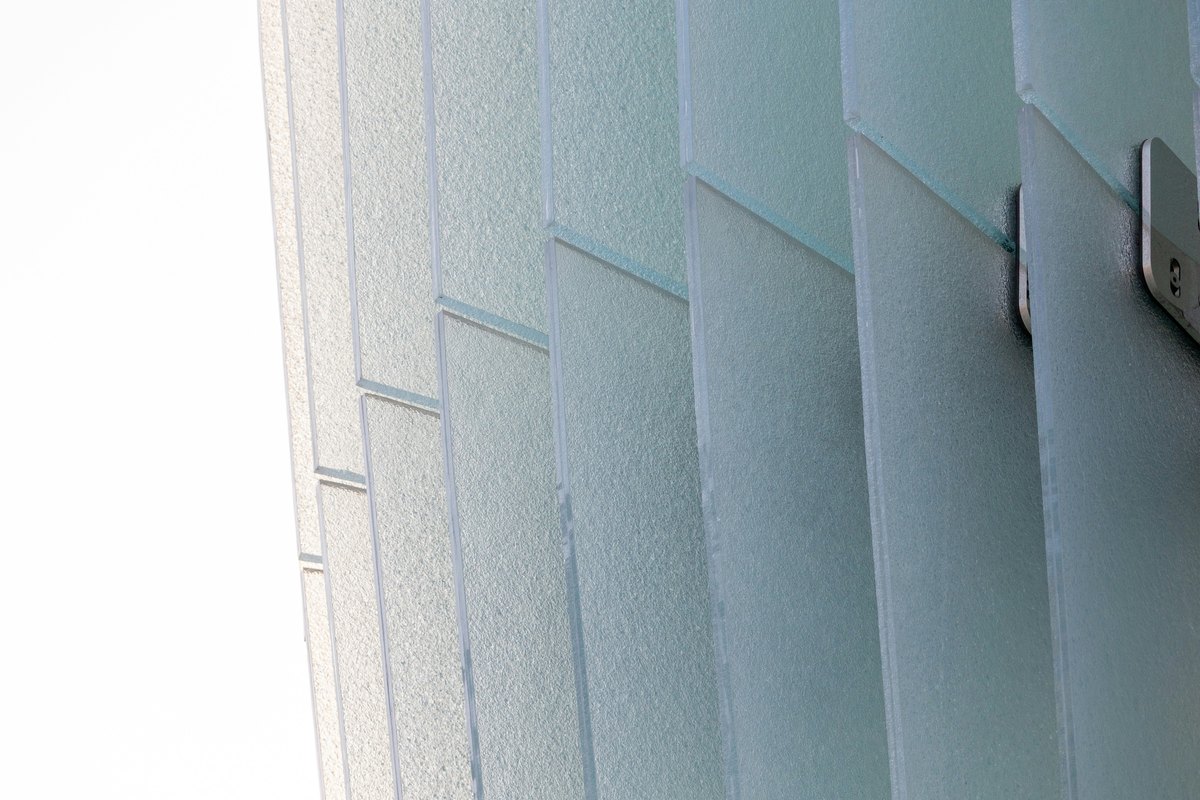
Glass with a moulded surface texture applied during manufacturing. Patterns include rain, ripple, bubble, reed, and many others depending on the supplier.
Adds visual interest, partial privacy, and a tactile element. Less translucent than frosted; usually more decorative.
Cost: 15 to 40 percent more than standard tempered depending on the pattern.
Best for: bathrooms wanting a featured design element, decorative privacy without full opacity, traditional or Art Deco designs.
When to skip: minimalist bathrooms where the texture would clash, smaller enclosures where the pattern overwhelms the space.
Laminated tempered
Two layers of tempered glass with a plastic interlayer in between. If broken, the glass stays bonded to the interlayer rather than shattering. Used for safety-critical applications.
For shower enclosures, laminated is rarely needed. Standard tempered breaks safely into small blunt pieces; laminated is an upgrade beyond that for very specific use cases.
Cost: 40 to 80 percent more than standard tempered.
Best for: very large panels (8+ feet tall) where a shatter event would be more hazardous, public or commercial settings, situations where building code requires it (some jurisdictions for specific applications), homeowners with strong safety preferences.
When to skip: most residential. The cost premium is hard to justify when standard tempered already meets safety codes.
Coated glass (water-repellent treatments)
Standard or low-iron glass with a permanent water-repellent coating applied (EnduroShield, Diamond Fusion, ClearShield, others). Water beads and runs off instead of spreading and drying, which reduces mineral deposit buildup.
Cost: 10 to 25 percent more than the underlying glass type on top of which the coating is applied.
Best for: hard-water areas, homeowners who don’t want to squeegee daily, premium projects where ease of maintenance justifies the upgrade.
When to skip: budget projects, homeowners committed to daily squeegeeing (the coating’s benefit is smaller).
After-market coatings last 6 to 12 months and need reapplication. Permanent factory-applied coatings (like the integrated versions some manufacturers offer) last 10+ years but cost more up front.
Which glass for which project
For a typical Jamaican residential project, the recommendations:
Budget framed enclosure: standard tempered. Don’t pay for upgrades when the spec doesn’t need them.
Mid-range semi-frameless: standard tempered, or coated glass if hard water is an issue.
Standard frameless master bathroom: standard tempered for most. Low-iron upgrade if the bathroom is high-end and the glass is a feature.
Premium frameless with marble or other premium finishes: low-iron tempered. The green edge of standard glass clashes with high-end finishes.
Guest bathroom needing privacy: frosted tempered. Standard frosted is fine; no need for low-iron under frosting.
Bathroom with significant exterior visibility (downstairs, near windows): frosted or textured for privacy.
Coastal home: same glass type choices as inland. Coastal spec upgrades go into hardware, not glass.
Walk-in shower with very large panels: low-iron if the edge is going to be visible from across the room. Standard if not.
Common mistakes
Buying low-iron when you don’t need it. Beautiful but expensive. If your enclosure is small or framed, you’re paying for clarity you won’t see.
Buying frosted when the homeowner actually wants full privacy. Frosted hides shapes but doesn’t fully block visibility. For full privacy, frosted with a denser pattern or an obscuring tile wall makes more sense than thin frosting.
Mixing too many glass types in one enclosure. Frosted door with clear fixed panels, or tinted with clear, is sometimes done but rarely well. Consistency reads better.
Skipping the coating upgrade in hard-water areas. The labour saving over time pays back the coating cost multiple times.
Spec’ing laminated when standard tempered would meet code. Real cost increase for a marginal safety benefit.
Related reading
- How to choose the right glass thickness for shower enclosures
- Aluminum finish options for shower enclosures: black, white, bronze, natural
- Glass type guide for glass doors: clear, frosted, tinted, tempered, laminated
For background on tempered glass and its safety properties (specifically why it breaks into small blunt pieces rather than sharp shards), Wikipedia covers the process.
Frequently asked questions
What’s the standard glass type for shower enclosures?
Standard clear tempered glass. Affordable, strong, allows full visibility, works for almost any aesthetic. The one cosmetic note is a slight green tint visible at the edge that’s more pronounced on thicker glass. For most Jamaican residential bathrooms, standard clear tempered is the right call. Upgrade to low-iron, frosted, tinted, textured, laminated, or coated only when the spec specifically benefits from it.
What’s the difference between standard and low-iron tempered glass?
Low-iron eliminates the green tint of standard glass. The difference is most noticeable on thicker glass (3/8 inch or 1/2 inch) in well-lit bathrooms or with premium finishes nearby. Cost is 25 to 50 percent more than standard tempered. Worth the upgrade for premium master bathrooms with marble or large panels where the green edge would be visible. Skip for budget projects or framed enclosures where the edge is hidden.
Should I get frosted glass for shower privacy?
Yes if you want partial privacy with light still passing through. Frosted glass obscures shapes without full opacity. Good for guest bathrooms, bathrooms shared between bedrooms, or showers visible from other rooms. Costs 10 to 30 percent more than standard tempered. Note that frosted holds mineral deposits in the texture and needs more attentive weekly cleaning than smooth glass.
Is laminated glass necessary for shower enclosures?
Rarely. Standard tempered glass breaks safely into small blunt pieces and meets safety codes for residential shower applications. Laminated (which stays bonded to a plastic interlayer when broken) is an upgrade beyond that for very large panels, commercial settings, or specific code requirements. Costs 40 to 80 percent more than standard tempered. Hard to justify for typical residential.
Are water-repellent coatings worth it?
Yes for hard-water areas or homeowners who won’t squeegee daily. Coatings make water bead and run off rather than spread and dry, which reduces mineral deposit buildup significantly. After-market coatings (EnduroShield, Diamond Fusion) last 6 to 12 months and need reapplication. Factory-applied permanent coatings last 10+ years but cost more up front. For Jamaica’s water conditions, coatings deliver real value in cleaning time saved.
Can I mix glass types in one shower enclosure?
You can but rarely should. Frosted door with clear fixed panels, or tinted with clear, is sometimes specified but rarely looks intentional. Consistency reads better. If you want privacy in part of the enclosure, sometimes a fully frosted enclosure or a tile wall replacing the glass in that area looks better than mixed glass types. Discuss with the supplier before committing to mixed types.
The next step
If you’re trying to pick a glass type for your project, the contact page is the way to ask. We can walk through which type fits your bathroom and your priorities (privacy, aesthetic, maintenance, budget) before committing.
For projects ready to quote, the quote request form takes the basics including glass type preference.
The shower enclosures service page covers what we install.
Glass type is one of the choices on a shower enclosure that’s easy to over-think and easy to under-think. For most projects, standard clear tempered is right. Upgrades make sense for specific use cases. Knowing which use case applies to your bathroom is the difference between a smart upgrade and a budget waste.