

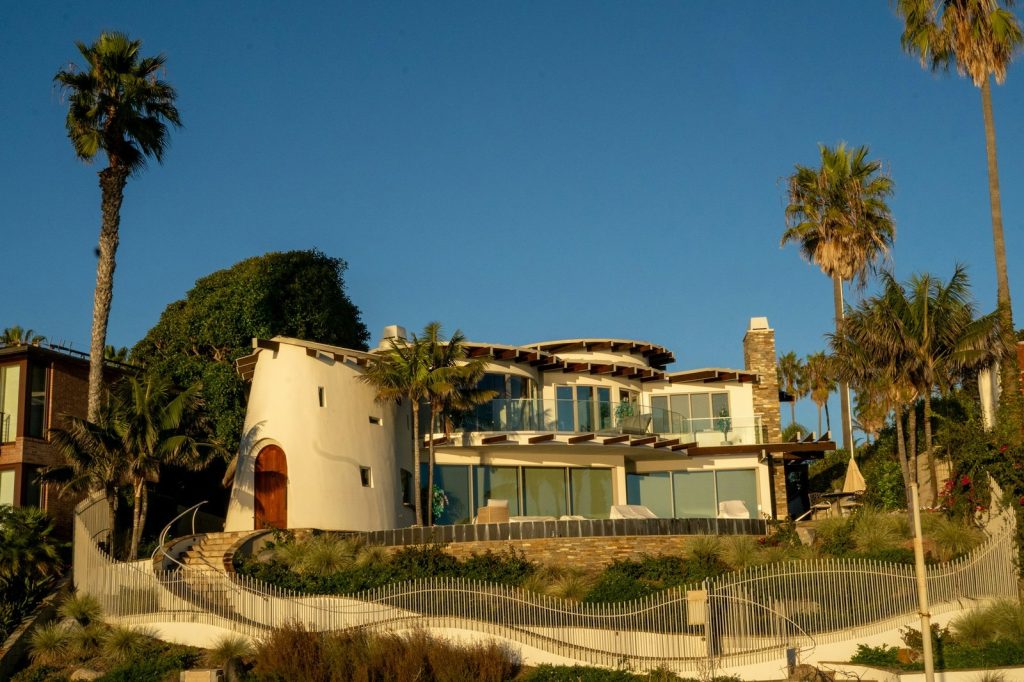
A well-made glass door installed in a temperate inland environment can run 30 to 40 years before any major component needs replacement. The same glass door installed within a mile of the Jamaican coast deals with salt spray, persistent humidity, high UV, and occasional hurricane exposure. The result is faster wear on almost every component.
That doesn’t mean coastal installs are doomed to short lifespans. Properly specified and properly maintained, a coastal glass door still runs decades. But the spec choices and the care routine that work inland aren’t enough on the coast.
Here’s the honest breakdown of how long different components last in coastal Jamaican conditions, and what extends the lifespan.
What “coastal” means in this context
For this article, coastal means within roughly a mile of the Jamaican coast, where salt-laden trade winds reach the building regularly. The most aggressive conditions are within a few hundred feet of the water on the windward side; the gentlest “coastal” conditions are at the inland edge of the mile zone or on the leeward side of a peninsula.
Inland (more than about a mile from the sea) gets occasional salt deposition during major storms but doesn’t deal with the constant background corrosion that defines true coastal conditions.
The frame: 20 to 40 years depending on spec
Aluminum frames are the primary structural element, and aluminum’s natural corrosion resistance is what makes it the practical choice for coastal use. But not all aluminum frames are equal.
Mill-finish aluminum: the cheapest spec, no surface treatment. In coastal conditions, expect visible pitting within 5 to 10 years and noticeable surface degradation by year 15 to 20. Functional life remains long (the metal doesn’t fail structurally) but appearance and finish quality suffer.
Anodised aluminum: factory-applied oxide layer protects the metal. Expect 25 to 35 years of solid service in coastal Jamaica, with gradual finish wear but no structural concern.
Powder-coated aluminum: factory-applied polymer coating. Expect 25 to 40 years depending on coating quality and thickness. Premium powder coats (architectural-grade, with weather warranty) last longest.
Marine-grade or factory-treated aluminum: purpose-formulated for coastal use, often with specific anodising or coating processes designed for salt exposure. Premium cost; 35 to 45 year service life is realistic.
For coastal Jamaican installs, the practical sweet spot is powder-coated architectural aluminum. Marine-grade is overkill for inland, justified for direct ocean exposure.

The glass: 30 years plus, with caveats
Glass itself is largely inert to salt exposure. The base glass material has effectively unlimited lifespan in normal conditions.
The caveats:
Edge degradation on insulated units. The sealed perimeter of an insulated glass unit (where the two panes are sealed together) is vulnerable to seal failure over time. In coastal conditions, expect 15 to 25 years of useful service before seal failure becomes likely. After that, condensation between the panes signals replacement of the unit.
Coating wear on Low-E units. Low-E coatings are durable but not invulnerable. Coastal conditions can accelerate coating degradation, particularly on soft-coat varieties. Expect 20 to 30 years of full coating performance before noticeable degradation.
Hurricane damage. Major storm events can cause glass breakage that has nothing to do with normal aging. Hurricane-rated laminated glass extends survival in storm conditions but doesn’t make any glass storm-proof at extreme wind speeds.
For coastal installs, single-pane tempered glass actually outlasts insulated units in terms of base panel longevity because there’s no seal to fail. The trade-off is thermal performance.
Seals and weatherstripping: 5 to 15 years
This is the fastest-wearing element. Silicone seals, EPDM gaskets, and brush weatherstripping all degrade under UV exposure, temperature cycling, and salt presence.
Silicone perimeter seals: 10 to 15 years before re-sealing is needed.
Gaskets between glass and frame: 8 to 15 years before replacement.
Brush weatherstripping on sliding tracks: 5 to 10 years before replacement.
These aren’t expensive items to replace; the install labour is the main cost. Treating them as consumables (rather than expecting permanent service) is the realistic approach. Plan for a re-seal pass at year 10 to 12 and accept it as routine maintenance.
Hardware: 10 to 25 years
Locks, hinges, handles, multi-point mechanisms:
Standard residential hardware: 10 to 15 years in coastal conditions. Salt accelerates corrosion of internal mechanisms even when surface finishes look fine.
Marine-grade or stainless hardware: 20 to 30 years. Worth the cost premium for coastal installs; the lifespan extension is real.
Rollers on sliding tracks: 10 to 20 years depending on use intensity. Rollers are routine replacement items at the higher end of the lifespan.
For coastal homes, specifying stainless steel or marine-grade hardware on the original install often pays for itself in reduced replacement cycles. The cost difference is meaningful but the lifespan difference is much larger.
What kills a coastal install early
Patterns we see when a coastal glass door fails earlier than expected:
No maintenance. A coastal install that’s never rinsed, never inspected, never serviced runs maybe half the lifespan it would with regular care. The single biggest variable.
Wrong spec for the exposure. Choosing a budget frame, standard hardware, and basic seals to save cost on the original install often means 50 to 70 percent the lifespan of a properly-specified install. The upfront savings are usually overwhelmed by the earlier replacement cost.
Hurricane damage compounded by deferred repair. Storm damage that doesn’t get repaired promptly often progresses. A small leak after a storm becomes a major leak the next storm, becomes structural damage by the third.
Hardware corrosion ignored. Failed lock mechanism, sagging hinges, worn rollers ignored for months or years often damage adjacent components (frame, glass alignment, panel weight distribution).
The realistic lifespan for a coastal install done right
A properly-specified glass door installed in a coastal Jamaican home (powder-coated aluminum frame, stainless or marine-grade hardware, mid-range glass spec), maintained on a twice-yearly inspection cycle with regular cleaning, realistically delivers:
- 25 to 35 years before any major work is needed
- One mid-life re-seal pass (year 10 to 12)
- One mid-life hardware refresh (year 15 to 20)
- Glass replacement only after impact damage or insulated-unit seal failure
That’s a service life comparable to inland installs, just with more attention along the way.
Related reading
- Coastal sliding window care: salt air and trade winds
- Why glass doors fail and how to prevent it
- How long do sliding windows last in Jamaican coastal homes?
For more on corrosion of metals in marine environments generally, Wikipedia has the materials-science overview.
Frequently asked questions
How long do glass doors last in coastal Jamaican homes?
For a properly-specified install (powder-coated aluminum frame, stainless or marine-grade hardware, regular maintenance), 25 to 35 years of solid service before major work is needed. Standard-spec installs without coastal-appropriate hardware and finishes typically run 15 to 25 years before major replacement work. The spec choices and the maintenance routine are the variables that move the number most.
What is the weakest part of a glass door in coastal conditions?
Hardware and seals. Internal mechanisms in locks and hinges corrode from salt exposure even when surface finishes look fine. Silicone seals and weatherstripping degrade faster under UV and salt. Both are replaceable; treating them as periodic consumables rather than expecting permanent service is the realistic approach.
Is marine-grade aluminum worth the cost premium for a coastal home?
For direct ocean exposure (within a few hundred feet of the water on the windward side), yes; the lifespan extension makes the upfront cost worthwhile. For the rest of the coastal mile zone, premium architectural powder-coated aluminum is usually sufficient and is a more proportionate spend.
Do insulated glass units last as long as single-pane in coastal Jamaica?
No. Insulated units have a sealed perimeter that can fail over time, and coastal conditions accelerate that failure. Single-pane glass has effectively unlimited base-material lifespan. The trade-off is that insulated units offer real thermal performance benefits that single-pane doesn’t. For a coastal home, the choice depends on whether you’re prioritising thermal performance or maximum lifespan.
What maintenance most extends coastal glass door lifespan?
Regular fresh-water rinsing to remove salt before it dries and concentrates (weekly is ideal, after every storm minimum). Twice-yearly full inspection covering seals, hardware, and frame condition. Prompt repair of any issue identified rather than deferring. The maintenance investment is modest compared to the replacement-cycle reduction it delivers.
The next step
For a coastal home, the spec conversation matters more than for an inland install. The quote request form takes your project brief; we’ll come back with options that include coastal-appropriate frame finish, hardware grade, and seal spec for the exposure level of your specific site.
The glass doors service page covers what we install. The contact page is for questions before the formal quote, including any existing-install maintenance needs.
Coastal glass doors aren’t fragile when they’re specified and maintained right. They’re durable, just with a slightly higher attention budget than inland installs.