

How long do storefronts last in coastal Jamaican homes?
A quick note on terminology. When we say “storefront” in this article, we mean any glass-and-aluminum entry system, large facade window, or commercial-style frontage installed in a residential setting. These are increasingly common in modern Jamaican coastal homes, where homeowners want the open sightlines and the indoor-outdoor flow that a full-glass frontage provides. The trade-off is that those installs are exposed to the most aggressive corrosion environment in the country.
So the question of how long they last is a serious one. The honest answer depends on three things: the alloy and finish of the aluminum, the hardware spec, and the maintenance routine. With the right combination, fifteen to twenty years. With the wrong one, five to seven.
The baseline expectation
For a standard aluminum-and-glass entry storefront in a coastal Jamaican home, the realistic lifespan ranges look like this.
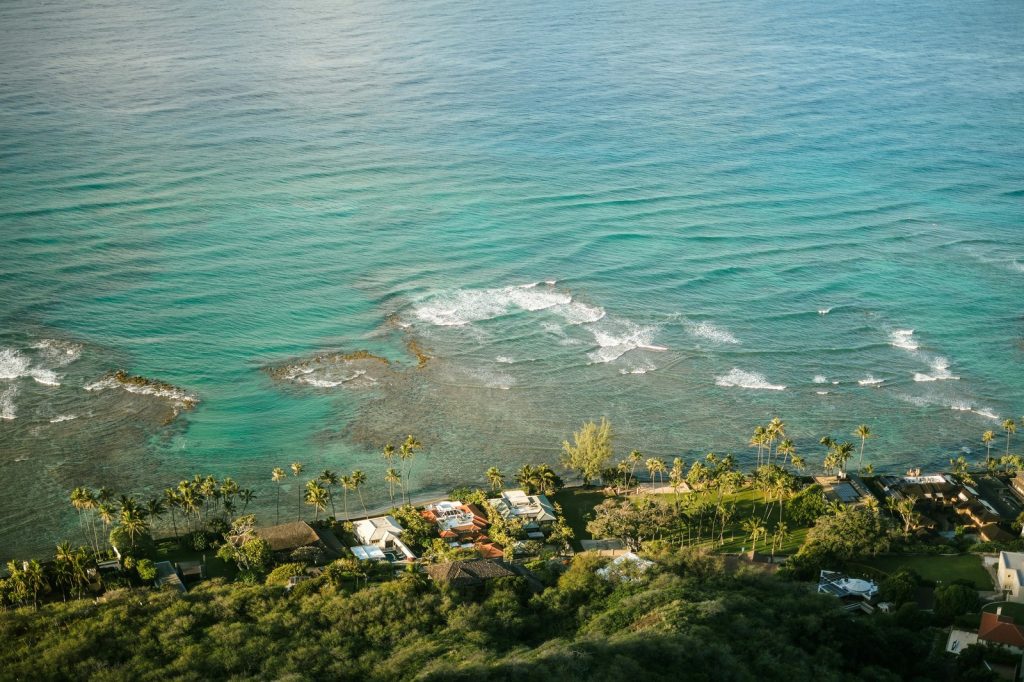
In a marine-zone home (within a few hundred feet of breaking surf), expect seven to twelve years for a properly specced install, three to six years for an under-specced one. The aerosol load is heavy and constant, and even the best hardware needs active maintenance.
In a coastal-zone home (within a mile of the water, but not in the direct splash zone), expect ten to fifteen years for a properly specced install, five to eight years for an under-specced one. The aerosol load is moderate and seasonal, and maintenance is less intense but still required.
In a near-coastal home (one to three miles inland, with prevailing winds off the water), expect twelve to eighteen years for a properly specced install, seven to ten years for an under-specced one. Most of the time the salt load is light, but episodic spikes during storms still matter.
These are realistic numbers, not warranty terms. They assume reasonable maintenance and the right spec for the location.
What “properly specced” means
The difference between the lower and upper ends of those ranges comes from a handful of spec choices, almost all made before the install starts.
The aluminum finish. Marine-grade finishes (AAMA 2604 powder coat, or better, AAMA 2605) are tested for thousands of hours of salt-spray resistance. AAMA 2605 ratings document ten years of South Florida exposure without significant gloss or colour loss. Standard architectural finishes are tested for one or two years of equivalent exposure. The cost difference between standard and AAMA 2605 is modest, maybe 15 to 25 percent on the framing. The lifespan difference is double or more.
The hardware alloy. 316 stainless steel for hinges, pivots, screws, clamps, and any other load-bearing parts. 304 stainless is significantly cheaper but will pit and seize in coastal exposure within a couple of years. The cost gap is real but the longevity gap is dramatic.
Dielectric isolation. Where stainless steel hardware meets aluminum framing, isolation washers prevent the galvanic corrosion that destroys the aluminum around the fasteners. Without isolation, even properly specced 316 hardware on properly specced AAMA 2605 framing can take the install down by year five.
Glass spec. Tempered safety glass for every panel, with any panel exposed to flying-debris risk being laminated or hurricane-impact rated. Glass itself is not corrosion-sensitive but the edge seals and the spacer system on insulated units are. Choose units rated for coastal exposure.
Perimeter sealant. A high-quality polyurethane or silicone sealant rated for marine exposure. The cheap sealants break down in three to four years in coastal conditions. The marine-rated ones last seven to ten.
What “under-specced” looks like
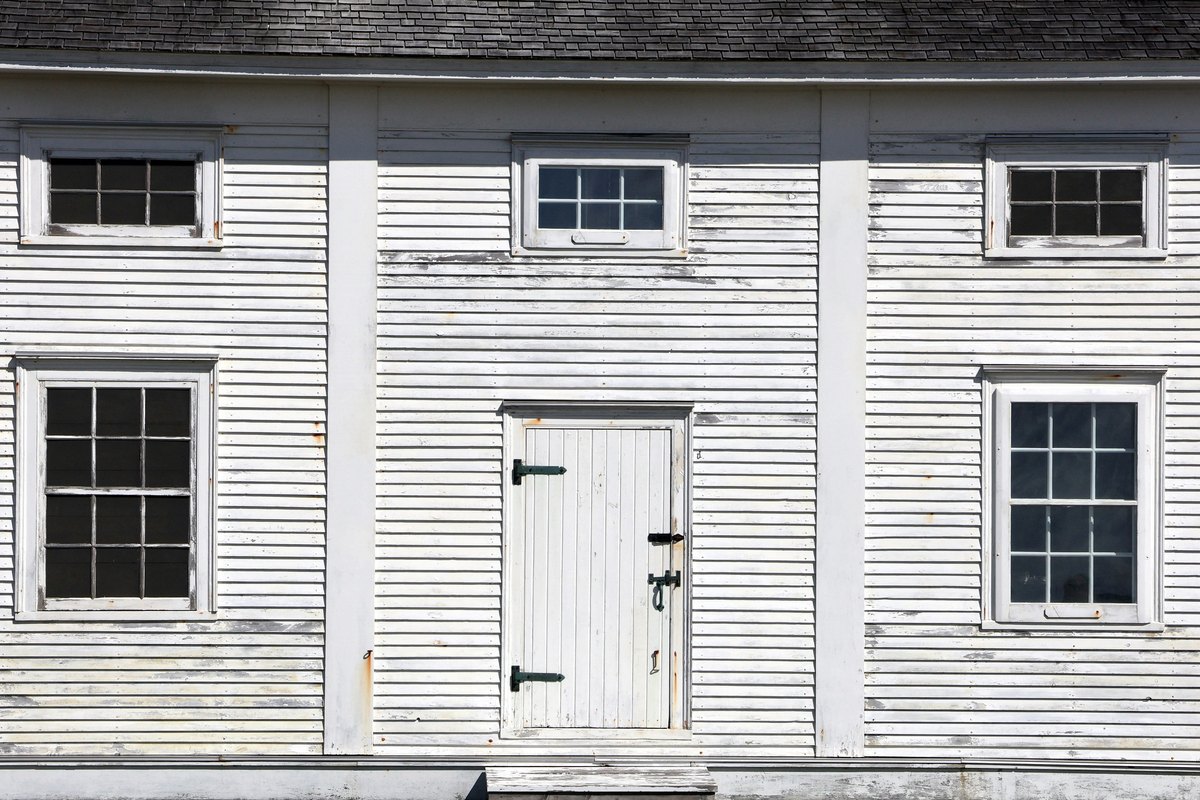
The other end of the spectrum is what you typically inherit when a previous owner went for the cheapest available bid.
Mill-finish or standard anodised aluminum, no specialty coating. The aluminum starts pitting within two years of install.
304 stainless hardware throughout. Visible rust streaks within eighteen months, hardware seizure within four years.
No dielectric isolation. The aluminum around the fasteners crumbles by year five, and the install becomes structurally compromised.
Single-pane non-tempered glass somewhere it should not be. Code-compliance issue at minimum, safety issue at worst.
Cheap sealant. Pinhole gaps within three years, full sealant failure by year five, wall-cavity water damage by year seven.
The total install cost for the under-spec version might be 30 to 40 percent lower than the properly specced version. The lifecycle cost, including the early replacement, is dramatically higher.
What maintenance adds
Even the best spec needs maintenance in a coastal home.
A weekly fresh-water rinse of the hardware and exposed framing with a low-pressure hose. This single habit can add 30 to 50 percent to the working life of the hardware.
A monthly inspection of the perimeter sealant and a quarterly torque check on visible fasteners.
A six-monthly inspection by a qualified glazier to catch early wear before it becomes failure.
A reseal of the perimeter at year five to seven, before the original sealant has fully failed.
Hardware replacement on any visible pitting or seizing, rather than waiting for total failure.
A properly specced install with this maintenance routine lasts the upper end of the ranges above. The same install with no maintenance lands in the middle. An under-specced install with no maintenance lands at the lower end.
The Jamaican-specific factors
A few things make Jamaican coastal exposure particularly aggressive compared to similar US or European markets.
Year-round warm temperatures. Salt-air corrosion accelerates with temperature. Jamaica has no winter slowdown, which gives the corrosion process more chemistry time per year than a temperate climate.
Hurricane season exposure. Even when a major storm misses you, the prevailing wind during hurricane season pushes more salt aerosol inland and concentrates it on coastal homes. Six months of intensified exposure adds up.
Power and water availability for maintenance. In some coastal areas, the simple act of a weekly fresh-water rinse is not as easy as it sounds because of water-supply intermittency. Plan for storage and rainwater backup if your area has supply issues.
Service availability. A qualified marine-experienced glazier is a specific skill set, and not every installer in Jamaica has it. Spec quality at install is doubly important when ongoing access to expert maintenance is uncertain.
Real-world examples we have worked on
A few patterns from the installs we have surveyed and assessed.
A Negril beachfront villa with a full-glass front entry. AAMA 2605 powder coat, 316 stainless throughout, isolation washers, marine-grade sealant. Twelve years old at our last visit, hardware still in good shape, framing still showing original finish quality, owner does a weekly rinse. We expect it to comfortably reach eighteen to twenty years.
A Port Antonio coastal home with a standard aluminum entry system specced for inland use. Five years old, visible pitting on the framing, two hinges with rust streaks, perimeter sealant cracking. The owner did not know to ask for marine grade and the installer did not flag the location. Replacement is the realistic recommendation rather than repair.
A Spanish Town home (inland but with strong prevailing wind from the south coast). Standard finish, 304 stainless hardware. Ten years old, hardware showing moderate wear but framing still acceptable. With remediation (hardware swap to 316, isolation washers, refinish of the framing), good for another seven to eight years.
The cost calculus
For a typical residential glass-and-aluminum entry storefront in coastal Jamaica:
A properly specced install in 2026 runs JMD 600,000 to JMD 1,500,000 for materials and labour, depending on size and complexity.
An under-specced version of the same install runs JMD 400,000 to JMD 900,000.
The savings on the under-specced version typically evaporate by year five, when the first significant remediation or replacement is needed.
Over a twenty-year horizon, the properly specced install is dramatically cheaper because it runs through to the end of its life. The under-specced install runs through two or three full replacements in the same period.
This is the most boring version of “buy nice or buy twice,” but it is also the most accurate for coastal Jamaican exposure.
Related reading
- Shower enclosures and salt-air corrosion: the real story
- Why storefronts fail and how to prevent it
- Choosing shower enclosure hardware that lasts longer than five years on the coast
For background on the AAMA finish ratings referenced here, see the Wikipedia entry on aluminium powder coating.
The next step
If you are planning a glass-and-aluminum entry storefront for a coastal Jamaican home, or you have inherited one that is showing wear, our team can survey the location, name the spec in writing, and tell you honestly what kind of lifespan you can expect from each option on the table.
Request an assessment or quote, browse our work, or get in touch to talk through what makes sense for your specific exposure.