

Shower enclosures in a renovation: timing the install right
When a homeowner calls us partway through a bathroom renovation and asks “when do you come in?”, the honest answer is, “earlier than you think for the conversation, later than you think for the work.”
The shower enclosure is genuinely one of the last items to install in a bathroom remodel. The hardware mounts onto finished tile, the glass measures to the finished wall and tray, and any sealant work happens after everything else is dry and clean. So the actual install lands near the end of the project.
The spec conversation, the survey, and the order are a different story. They need to happen weeks earlier. Custom glass takes time to fabricate, and wrong sequencing here can push a finish-line install back by two or three weeks while everyone waits on a panel.
Here is how to time the whole thing so the install lands cleanly and the renovation finishes on schedule.
The renovation phases that matter to the enclosure
A typical Jamaican bathroom renovation moves through these phases.
Demolition and strip-out comes first. Old fixtures, tile, and fittings come out. The room goes back to the substrate, sometimes back to the studs and slab if the project is comprehensive.
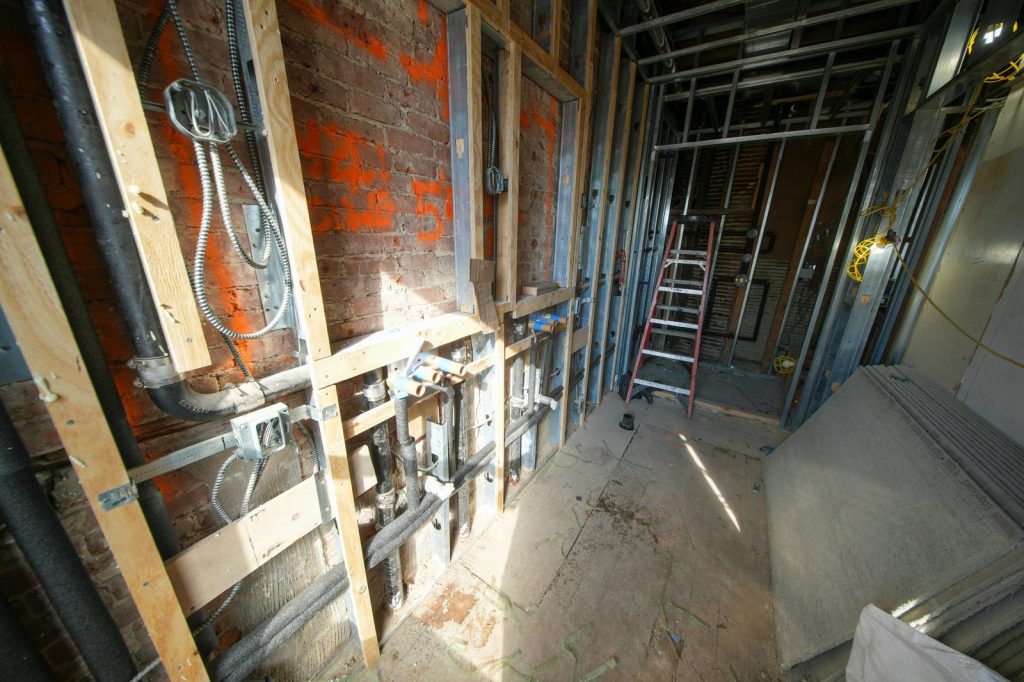
Plumbing and electrical rough-in is next. Pipes get re-run, valves and rough plumbing get set, electrical wiring for lighting and any heated towel rails goes in, and the inspector signs off before anything gets covered up.
Substrate and waterproofing follows. Cement board, waterproof membrane, and any sub-floor work happens here. This is the phase that has the biggest impact on the enclosure later, because the membrane underneath the tile is what the whole system relies on.
Tile and surface finishes are the next phase. Wall tile, floor tile, grout, and any decorative finishes. The tile is what the enclosure will eventually mount onto, and the dimensions of the finished wall determine the panel sizes.
Fixtures and trim land after the tile. Vanity, toilet, taps, towel bars, lighting, accessories. Most fixtures go in here and the bathroom starts to look like a finished space.
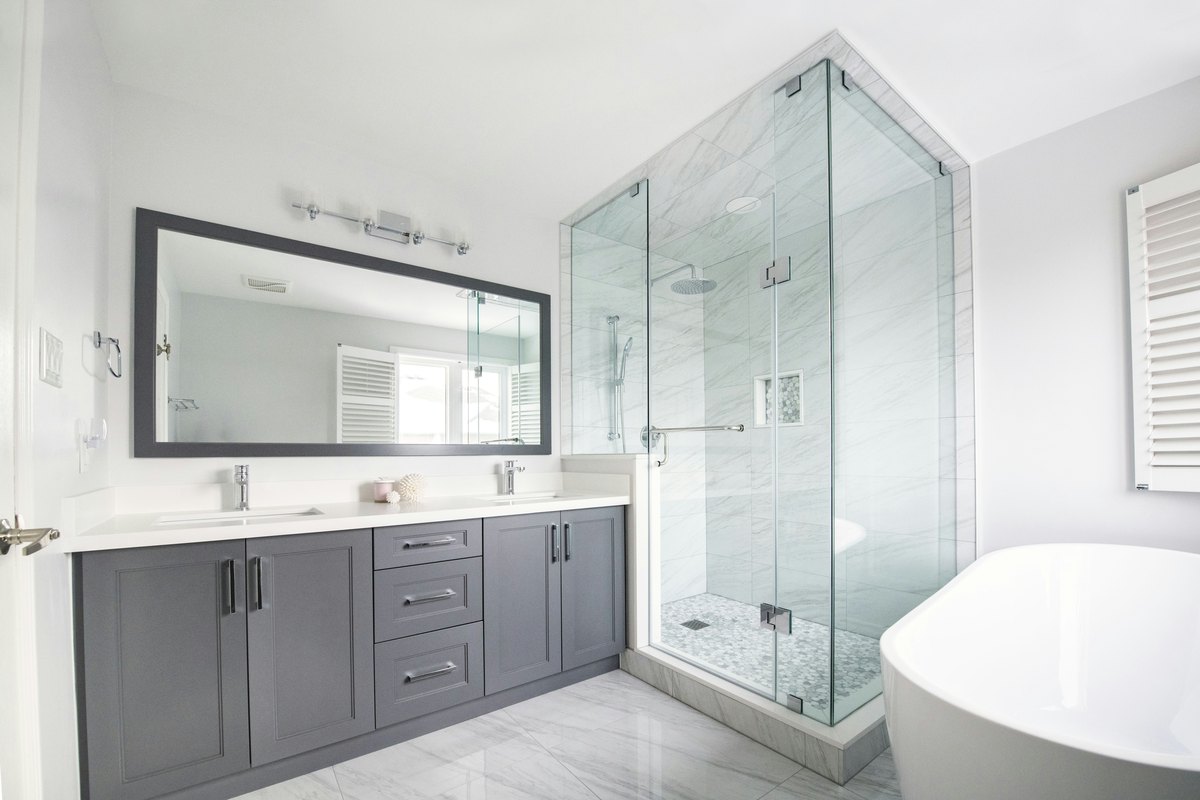
The glass enclosure is the final build piece. Survey, fabrication, install.
Then final clean and handover. Touch-ups, deep clean, handover to the homeowner.
That sequence is more or less universal. The thing that varies, and that gets renovations into trouble, is when the conversation with the glass installer starts.
When to bring us in (early)
The right time to call us is during phase 2 or 3, when plumbing rough-in is finishing and substrate work is starting. Not because we install anything that early, but because the decisions you make at the substrate stage affect what enclosure is possible later.
A few things change at this conversation.
We can flag issues with the proposed shower size before the tile is laid. If you wanted a 36 by 36 enclosure and the rough wall is going to leave you with 35 and a half by 36 and a quarter, we can tell you now, while it is cheap to adjust the framing. After the tile is set, your only option is a custom-cut panel at extra cost.
You also get the chance to confirm the substrate suits the hardware you want. A heavy frameless install needs solid backing behind the tile at the hinge mounting points. If you wanted frameless and the framing has no blocking, you can add it now. Try to add it after tiling and the cost triples.
You can confirm the door swing and clearance work in the finished room layout. The vanity, the toilet, and the door from the hallway all interact with the shower door. A five-minute conversation at substrate stage prevents an awkward swing in the finished bathroom.
The spec conversation also covers lead times, so you can plan the fabrication window into the build schedule.
When to bring us in (for the survey)
The survey is the formal measurement visit. We measure the finished tile and tray, take detailed dimensions for the glass order, and confirm hardware mounting points.
The right time for the survey is when the tile is fully installed and grouted, the grout has cured for at least 24 hours, the waterproof membrane behind the tile has been verified, and no more wet work is planned in the room.
That is usually the last day of phase 4 or the first day of phase 5. Once we have done the survey, we order the glass. Custom tempered glass typically takes one to two weeks to fabricate locally, longer if specialty cuts or finishes are needed. So from survey to install is usually two to three weeks total.
If the survey happens too early, before the tile is set, we cannot measure accurately. Tempered glass cannot be re-cut once it is made, so any measurement based on rough dimensions is a risk that lands on the homeowner if the actual finished size differs.
If the survey happens too late, after the rest of the renovation is “done,” you are looking at a two-to-three week gap with an unusable bathroom while the glass is fabricated. We see this surprisingly often and it is the single most common cause of overrun on a residential bathroom project.
When to do the install
Install day is once the glass is fabricated, the tile has been clean for at least a week, the rest of the room is dust-free, and there is no other trade still working in the space.
A standard residential install takes two to three hours for a framed kit, three to four hours for semi-frameless, and four to six hours for a full frameless enclosure. After install, the silicone seals need 24 to 48 hours to cure before the shower is used. Plan accordingly.
We try to schedule install for the morning, so the seals have a full daylight period to cure with the room ventilated. Evening installs work too, but the cure window pushes use back by another half day.
Where renovation schedules slip
Three things slip glass enclosure scheduling more than anything else.
Late tile delivery. The tile arrives a week later than planned, the tile contractor pushes back, the glass survey gets pushed back, and the whole bathroom finish slips by two weeks. The fix is to confirm tile lead times before booking the survey window.
Substrate surprises. The tile contractor finds an issue with the substrate (rotten wood, a hidden leak, an unexpected slab condition) and the wall has to be redone. Survey window pushed. The fix is the early conversation with us so substrate issues can be caught at phase 3, not phase 4.
Owner indecision on hardware. The homeowner has not picked a finish, a glass style, or a privacy treatment by the time we want to order. The fabrication clock cannot start until the order is placed, so every day of indecision is a day later on install. The fix is to have hardware decisions locked by the time the tile starts.
A realistic six-week timeline
For a standard Jamaican residential bathroom renovation with a custom shower enclosure, this is what a tight schedule looks like.
Week 1: Demo and strip-out. The rough-in conversation with the glass installer happens this week. Week 2: Plumbing and electrical rough-in. Substrate work begins. Week 3: Substrate and waterproofing finishes. Tile begins. Week 4: Tile finishes. Grout cures. Glass survey at end of week. Order placed. Week 5: Fixtures, trim, vanity install. Glass in fabrication. Week 6: Glass install (two to four hours). 24 to 48 hour cure. Final clean. Handover.
That is six weeks if everything runs smoothly. Real projects often add a week or two for substrate surprises or material delivery slips. Plan for seven to eight weeks total and you will rarely be disappointed.
What the homeowner can do to keep it on track
A few habits keep the schedule honest.
Pick the hardware spec early. Glass finish, hardware finish, door swing direction, privacy preference. Lock these by week 2 so the order can go on day one after the survey.
Get the glass installer into the same WhatsApp group as the contractor or project manager. Direct communication beats relay messaging every time. We respond to direct calls and messages within the work day.
Book the survey window the week before it is needed, not the day. Pros are usually booked a week or two out, especially in busy renovation seasons (late spring before hurricane months, late autumn before holiday entertaining).
Plan for the cure window. After install, do not let anyone shower in the bathroom for at least 24 hours, preferably 48. The seals cure best with air movement and no water disturbance.
Related reading
- Shower enclosures: DIY vs professional installation
- What you can DIY on shower enclosures and what you really should not
- Shower enclosures and salt-air corrosion: the real story
For background on the underlying glazing fabrication process that drives the fabrication lead time, see the Wikipedia entry on tempered glass.
The next step
If you are planning a bathroom renovation in Jamaica and want the shower enclosure to land cleanly at the end of the schedule, our team can come in at the substrate stage for a quick spec conversation, then handle the survey, fabrication, and install in tight coordination with your tile contractor.
Request a quote, browse our shower enclosure work, or get in touch to bring us into the project at the right moment.