

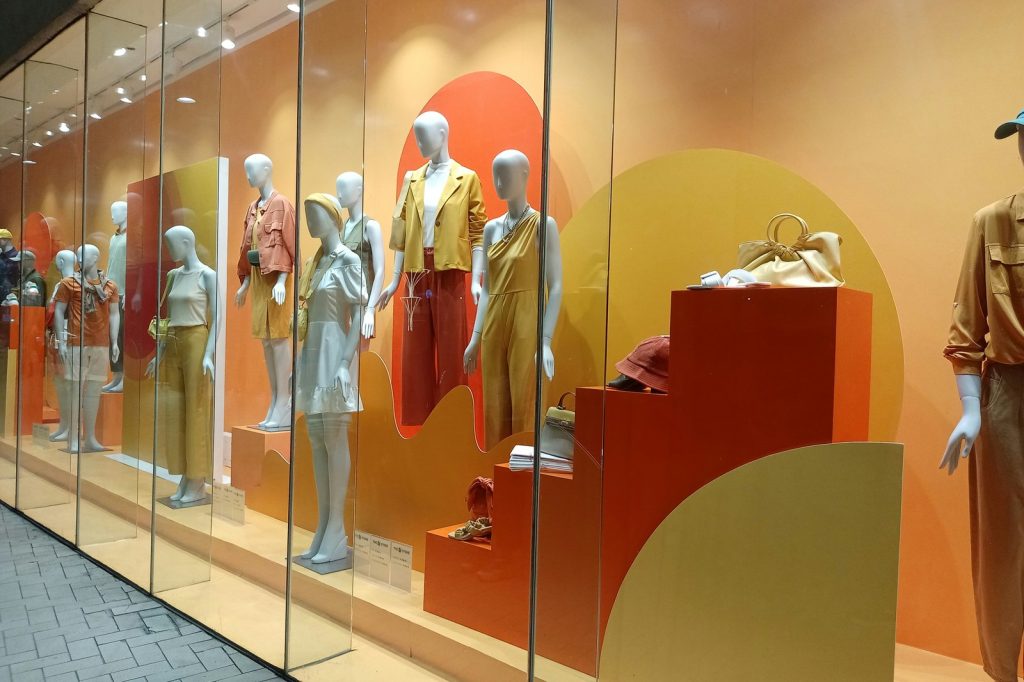
Storefronts for retail spaces in Jamaica
A retail storefront is doing three jobs at the same time. It is selling the business to passers-by before they walk in. It is securing the inventory after hours. And it is keeping the climate-controlled (or naturally ventilated) interior comfortable during business hours. Most Jamaican retail tenants think about one of those at a time. The good ones think about all three.
Here is what to know before you spec, install, or replace a retail storefront on a Jamaican commercial property.
What the storefront is selling
People form trust judgments about a retail business within roughly seven seconds of seeing it from the street. The storefront does most of that work. Glass clarity, frame condition, signage placement, interior lighting visible through the glass, and the cleanliness of the entry all feed into it.
For Jamaican retail, three visibility factors matter most.
Light transmission. The actual transparency of the glass decides how clearly customers see the interior from outside. Standard clear tempered has a visible light transmission (VLT) around 0.88. Tinted glass drops to 0.55 or below. Heavy reflective glass drops further still. Tinted and reflective glass cut visibility into the store, which can hurt walk-in traffic for a business that depends on visual draw.
Reflections. Direct sunlight on the exterior of the glass creates reflections that obscure the view into the store. North-facing storefronts get less of this. West-facing storefronts get the worst of it in late afternoon. Anti-reflective coatings exist but cost real money. Alternatives include overhangs, awnings, or planning the window display so it still works through reflections.
Frame visibility. Wide aluminum profiles read as more commercial. Narrow-stile profiles or frameless systems read as more premium. For mid-range retail, standard 2 to 3 inch profile aluminum is the workhorse. For premium retail (jewellery, watches, electronics, luxury fashion), narrow-stile or frameless reads as more appropriate to the brand.
What the storefront is securing
After business hours, the storefront becomes the primary security layer between the inventory and the street. For most Jamaican retail, this matters more than the daytime marketing function.
Glass strength. Standard tempered glass shatters into safe pieces but is easy to break with a single hard impact. Laminated tempered glass holds together when broken because the interlayer keeps the pieces in place, making it much harder to defeat. For inventory-heavy retail (jewellery, electronics, watches, pharmacy), laminated tempered is the minimum sensible spec.
Door hardware. Quality commercial deadbolts (Schlage, Yale, Mul-T-Lock cylinders in the JMD 18,000 to 45,000 range), commercial-grade panic hardware, multi-point locking on double doors. The lock is only as strong as the door hardware around it.
Secondary security layer. Roll-down metal shutters mounted above or beside the glass storefront, deployed after hours. The most common security upgrade on Jamaican retail and the only sensible one for cash businesses. We cover the storefront-plus-shutter hybrid setup in its own article.
Anti-grab signage and lighting. Visible interior lighting and signage about security systems (whether or not you actually have them) deter casual smash-and-grab attempts. Worth the modest cost.
For high-value Jamaican retail in higher-crime areas, the realistic security spec is laminated tempered glass plus a quality commercial cylinder lock plus a roll-down shutter for after-hours. Anything less invites incidents.
What the storefront is doing for climate
If the retail space is air-conditioned (most modern Jamaican retail is), the storefront is the largest single contributor to the cooling load. Solar heat gain through the glass drives the AC harder than any other factor.
SHGC (solar heat gain coefficient). The lower the better in a hot climate. Standard clear tempered runs around 0.81. Tinted runs around 0.55. Low-E coated runs 0.30 to 0.45. Low-E plus tinted runs 0.25 to 0.35. For most Jamaican air-conditioned retail, low-E coated tempered is the standard recommendation, and it usually pays back the cost premium within two to three years through reduced cooling bills.
VLT (visible light transmission). The higher the better for retail visibility. Tinted glass drops VLT and SHGC together. Low-E coatings drop SHGC without dropping VLT proportionally. Spectrally selective low-E delivers high VLT and low SHGC simultaneously and is the technical answer for retail.
Door sealing. Air infiltration through poorly sealed doors can add 10 to 20 percent to cooling costs. Proper gasketing, door closers that fully close the door, weather stripping. The retail entry that has been propped open all day because the closer is broken is haemorrhaging conditioned air.
For non-air-conditioned retail, the priorities shift. The storefront should allow natural cross-ventilation if possible (operable transom panels or partial sliders) and should shade the interior from direct sun (tinted glass or properly placed external shading) to keep the interior bearable.
Jamaican retail-specific factors
A few considerations that come up more often on Jamaican retail than elsewhere.
Mall versus standalone. Mall units have design code requirements imposed by the landlord that often dictate storefront materials, profile depths, and finishes. Many Jamaican malls require specific aluminum systems (Kawneer, YKK AP, or comparable) and specific finishes. Read the lease carefully before quoting.
Tourist-area versus local-trade. Tourist-area retail (Montego Bay, Negril, Ocho Rios cruise port) has different traffic patterns than local-trade retail (Half-Way Tree, Cross Roads, Spanish Town Road). Tourist-area windows need to grab walk-by attention for visitors who do not know the brand. Local-trade windows can be more functional and less performative.
After-hours visibility. For most retail, the inside of the store should remain visible from the street after hours through the storefront glass. Display lighting on timers, attractive merchandising even in closed hours, and security signage all factor in. A dark, empty-looking storefront after hours invites unwanted attention.
Insurance considerations. Some Jamaican insurance policies offer discounts for storefronts with laminated glass, roll-down shutters, alarms, and quality locks. Check with the insurer before speccing. The discount can offset some of the upgrade cost.
Power-cut resilience. Power cuts are still common enough in Jamaica that retail entries need to function without electricity. Avoid storefronts that rely on powered locks, magnetic holds, or electric strikes unless paired with mechanical override hardware that works when the power is off.
Cost framework for typical Jamaican retail storefronts
For a typical small Jamaican retail unit (single-door entry, 8 to 12 feet of street frontage):
Standard tempered glass with AAMA 2604 aluminum, commercial locks, no shutter runs JMD 600,000 to JMD 1,200,000 installed. Quality spec with low-E tempered glass, AAMA 2604 or 2605 aluminum, quality commercial hardware, no shutter runs JMD 1,000,000 to JMD 2,000,000. Coastal spec with laminated impact-rated glass, AAMA 2605 aluminum, 316 stainless hardware, no shutter runs JMD 1,500,000 to JMD 3,000,000. Premium spec (jewellery, electronics) with laminated tempered, narrow-stile frameless aesthetic, quality hardware, plus roll-down shutter runs JMD 2,500,000 to JMD 5,000,000.
The spec range is wide because retail tenants have wildly different security, brand, and energy requirements. A general goods store on a low-crime inland street is at the bottom of the range. A jewellery boutique on Half-Way Tree Road is closer to the top.
What to ask before signing the lease
Before committing to a retail lease in Jamaica, a few storefront-related questions to ask the landlord or the existing storefront’s owner.
Who owns the storefront, and who is responsible for replacement if it is damaged? Many leases put this on the tenant. Replacement costs at the high end of the range above are significant. A tenant signing a 5-year lease should understand the exposure.
What is the current condition? If the storefront is over 10 years old and shows signs of corrosion (visible pitting on aluminum, rust on hardware, sealant degradation), budget for replacement within the lease term or negotiate the landlord to handle it before move-in.
What restrictions exist on modifications? Some leases prohibit replacing the storefront, modifying signage, or even adjusting the lock without landlord approval. If your business plan requires storefront changes, get those approvals in writing before signing.
A simple recommendation framework
For most Jamaican retail tenants in 2026, the realistic recommendation is:
Standard general retail in moderate-traffic area, inland, low-crime: low-E coated tempered glass in AAMA 2604 aluminum framing, quality commercial locks, no shutter unless the lease requires it. JMD 1,000,000 to 1,500,000 range.
Inventory-sensitive retail (electronics, phones, watches, jewellery), any location: laminated tempered glass, quality commercial cylinder locks, roll-down shutter for after-hours. JMD 2,000,000 to 4,000,000 range.
Coastal retail, any type: laminated impact-rated glass, AAMA 2605 aluminum, 316 stainless hardware, secondary shutter optional based on inventory value. JMD 1,500,000 to 3,500,000 range.
Premium retail brand, any location: narrow-stile or frameless with low-iron tempered, quality hardware, secondary shutter mandatory. JMD 2,500,000 to 5,000,000 range.
Most retail mistakes we see come from under-speccing for security on inventory-sensitive businesses, or over-speccing on aesthetics for general retail where the budget could have gone to lighting or fixtures with more sales impact. The realistic answer for any specific tenant requires a conversation with the installer about the business model.
Related reading
- First-time buyer guide to storefronts
- Storefronts vs alternative materials
- Energy efficient storefronts: what to look for
For background on the design principles of commercial retail facades, see the Wikipedia entry on retail design.
The next step
If you are planning a retail storefront install or replacement on a Jamaican commercial property and you want spec that fits your business model rather than a generic template, our team is happy to walk through the requirements. We can quote for new installs, evaluate existing storefronts for replacement timing, and recommend security upgrades that match your inventory profile.
Request a retail storefront consultation, browse our retail work, or get a quote to start.