

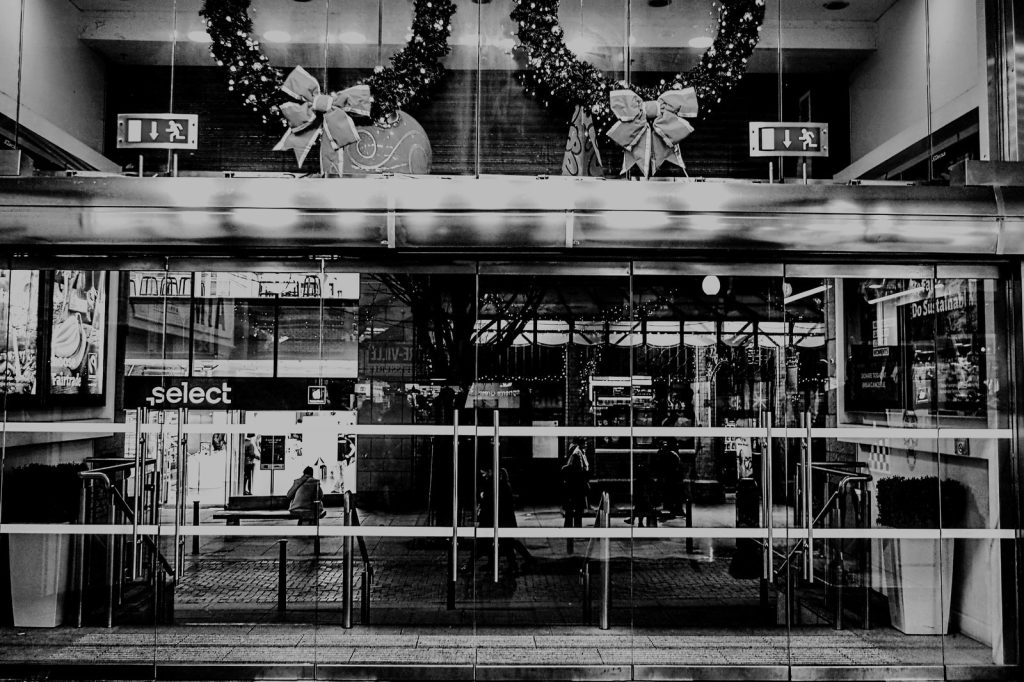
What does a storefront installation cost in Jamaica?
The phone call usually goes like this. A business owner has signed a lease on a small commercial unit, the previous tenant left old metal shutters and a beat-up door, and the question is “what is it going to cost to put in a proper glass storefront?”
The honest answer is, “between not very much and rather a lot, depending on six or seven things you have not told us yet.” Helpful, no? Let us actually unpack it.
This is a realistic look at what a glass and aluminum storefront install costs in Jamaica in 2026, what the line items actually are, and what drives the headline number up or down. Written for business owners, landlords, and property managers who want to budget honestly rather than be surprised at quote stage.
The headline ballpark
For a standard small-to-medium retail unit with a frontage of 12 to 20 feet, a glass storefront install typically lands in the range of JMD 800,000 to JMD 2,500,000, all in. That includes the aluminum framing, tempered safety glass, one or two doors, labour, basic site protection, and the warranty.
The range is wide because the specification can vary a lot. A simple single-door, single-pane shopfront with thin aluminum framing and standard tempered glass sits at the bottom end. A multi-bay storefront with custom-finished aluminum, low-iron glass, an automatic sliding door, and electronic access control sits at the top. Most retail jobs land in the JMD 1,200,000 to JMD 1,800,000 range.
By square foot, the same job works out at roughly JMD 12,000 to JMD 25,000 per square foot of glazed area for a basic install, and JMD 25,000 to JMD 45,000 per square foot for a premium one. These numbers move with currency, with metal prices, and with the supplier you choose, so treat them as orientation rather than gospel.
What you are actually paying for
A storefront install quote is rarely a single number. It is a stack of separate cost categories, each of which deserves a look.
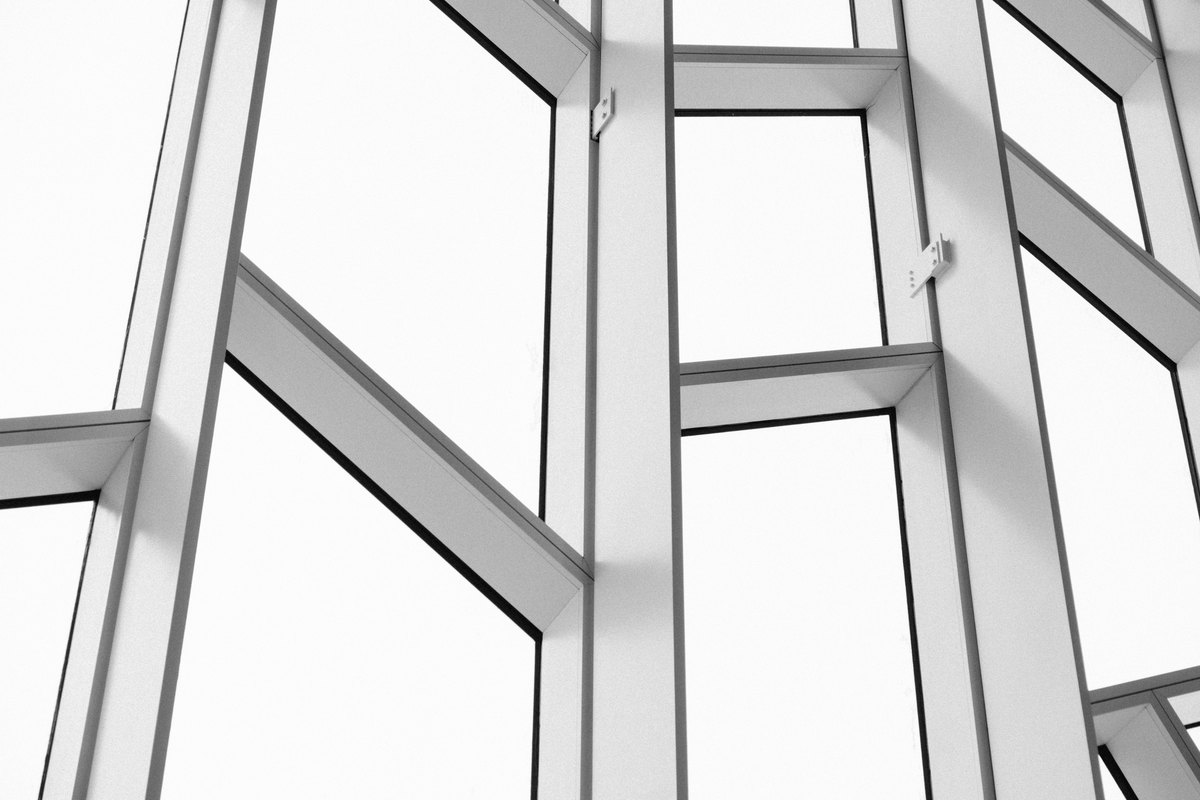
The aluminum framing system is the structural skeleton of the storefront. It runs as a perimeter frame around the entire opening, plus any vertical mullions that divide the glazed area into bays. The cost depends on the profile depth (deeper profiles for taller storefronts), the finish (mill, anodised, powder coated, or wood-grain), and the impact rating (standard versus hurricane-impact). For a small retail unit, the framing alone is typically 30 to 40 percent of the project cost.
Tempered safety glass is the next big line. Every panel in a storefront has to be tempered safety glass by code, and any panel within 18 inches of a doorway has to be heat-soaked tempered or laminated. The glass cost depends on the thickness (quarter inch standard, three eighths or half inch for larger panels), the type (clear, tinted, low-iron, low-E), and whether it is insulated for energy performance. For a small retail unit, the glass is typically 25 to 35 percent of the project cost.
Doors are usually the most fragile part of a storefront and the most expensive per square foot. A standard aluminum-frame swing door with a basic closer, a pull, and a lock cylinder runs JMD 80,000 to JMD 250,000 depending on grade. A sliding door, an automatic door, or a heavy-duty pivot door runs much higher. If your unit needs two doors, the door budget doubles.
Hurricane and storm spec matters if your unit is in a coastal area or in a zone with high wind exposure. The framing and glass have to meet stricter wind-load and impact requirements, which typically adds 15 to 30 percent to the materials cost.
Labour. The install crew for a storefront usually includes a lead glazier, two installers, and a labourer for site protection and clean-up. A typical small-unit install takes one to two days on site. Labour is usually 20 to 30 percent of the total.
Site protection and cleanup. Floor protection, signage protection, dust extraction, and waste disposal. Usually 3 to 5 percent of the total.
Permits and inspections. A new storefront install typically needs a building permit from the parish council, and the install is inspected before sign-off. The permit and inspection fees vary by parish but typically add JMD 30,000 to JMD 80,000 to the project.
Warranty and aftercare. A proper installer includes a one-year workmanship warranty in the price. Hardware warranties from the manufacturer typically run two to ten years depending on the part.
What drives the price up
A few things consistently push a storefront install towards the upper end of the range.
Hurricane-impact rating. Coastal units in St. James, Portland, St. Mary, and along the southern coast often require hurricane-impact glazing under insurance terms or building regulations. The combined frame and glass uplift is significant but usually pays for itself if the unit takes a serious storm.
Larger panel sizes. Glass cost scales non-linearly with panel size. Doubling the panel area can more than double the panel cost because the glass needs to be thicker to maintain structural integrity. Larger panels also need more crew on site to lift and place.
Custom finishes. Standard mill or anodised aluminum is the most affordable. Powder coating in a custom colour, wood-grain finishes, or specialty textures add 15 to 40 percent to the framing cost depending on what you choose.
Automatic doors. A swing or sliding automatic door system adds JMD 250,000 to JMD 700,000 to the project versus a manual door, plus the cost of the electrical work to power and control it.
Energy-efficient glazing. Insulated glass units with low-E coatings reduce heat gain in air-conditioned spaces, which matters in Jamaica. They cost 30 to 60 percent more than single-pane tempered glass, but the cooling-cost savings can offset that within a few years.
Security features. Roller shutters that drop down outside business hours, electronic access control, smash-resistant glass, or laminated security glazing all add to the budget. A small business with valuable inventory may justify these. A casual retail unit may not.
After-hours install. If the unit cannot close for the install day, the work happens overnight or on a Sunday. Overnight labour adds 30 to 50 percent to the labour portion of the bill.
What drives the price down
A few things push the cost the other way.
Standard sizes. If your opening dimensions are close to standard glass and frame sizes, the materials come from stock and the cost is lower. Custom-cut everything is more expensive than buying standard.
Single-door layout. One door is cheaper than two. If your floorplan and traffic flow can work with a single entrance, the savings are meaningful.
Simple aluminum finish. Mill or anodised silver is the standard. Choosing it over a custom-coated finish saves both money and lead time.
Off-peak booking. Glass installers in Jamaica are busiest in the months leading up to back-to-school season (July to September) and before the holiday shopping season (October to November). Booking the install in January, February, or June can sometimes get you a better price and faster scheduling.
Bundled work. If you are also having the interior of the unit fitted out, having the glass installer come in as part of the larger contractor’s package can reduce the coordination overhead and sometimes the labour rate.
Reusing existing framing. If the existing aluminum frame is sound and only the glass and door need replacing, the project cost can be cut significantly. We assess the existing framing during the survey and tell you honestly whether it is worth keeping.
Typical project timelines
A standard storefront install runs to this kind of schedule. Site survey takes one to two hours on site. Quote and spec confirmation takes three to five business days. Order placement and fabrication takes two to four weeks for stock items, six to ten weeks for custom finishes or hurricane-impact glass. On-site install runs one to two days for a typical retail unit, two to three days for a larger or more complex storefront.
Total time from first call to working storefront, for a standard install, is usually four to seven weeks. Custom or hurricane-impact installs run six to twelve weeks. Plan ahead, especially if you are working to a lease commencement date or a planned opening.
What to ask for in the quote
A good storefront quote in Jamaica should give you the complete material specification (including the aluminum profile model and finish, the glass thickness and type, and the door make and model), the hurricane-impact rating if applicable or a clear statement that the spec is non-impact, a schedule of the install timeline including survey through inspection sign-off, the breakdown of materials versus labour versus permits, the warranty terms for the workmanship and for the hardware separately, and a list of any exclusions (electrical work for an automatic door, signage installation, interior work) so you know what is not included.
If the quote you receive is a single line item with no breakdown, ask for the detail. A serious installer can provide it. The clarity of the quote itself is a useful signal about the install you are about to receive.
What about lower bidders
A common situation is a business owner receiving three quotes where one is dramatically lower than the others. The temptation is obvious. The risk is that the low bidder is using thinner aluminum, non-tempered glass somewhere they should not, no permit, no warranty, or no installer insurance. The savings disappear the first time a panel fails or the inspector comes by.
The questions to ask the low bidder. Is the glass tempered safety glass in every panel, with the etched mark? Is the aluminum from a named manufacturer with a published profile spec? Is the install permitted with the parish council? Is there a written workmanship warranty? Does the installer carry liability insurance? If any of those answers is unclear, the quote is incomplete and the price is not really comparable.
Our practical recommendation
If you are budgeting for a storefront install in Jamaica today, start with a target of JMD 1,500,000 for a standard small retail unit. Adjust up for coastal location, hurricane-impact requirements, automatic doors, or custom finishes. Adjust down for stock sizes, simple finishes, and a single door.
Get three written quotes with full material specs and warranty terms. Compare them line by line, not on the bottom number. Ask each installer for one local reference you can call. The reference call is the single best filter on quote quality.
Related reading
- Commercial code requirements for shower enclosures in Jamaica
- Shower enclosures for retail spaces in Jamaica
- Working with your architect on shower enclosure specifications
For background on the storefront glazing systems referenced in this guide, see the Wikipedia entry on curtain wall).
The next step
If you are planning a storefront install in Jamaica and want a quote that names the spec, the warranty, and the line items in writing, our team handles the full process from survey through permit through install and sign-off. We bid against other quality installers, not against the cheapest paper available, and we welcome the question “why is X more than Y?” on any line item.
Request a storefront quote, browse our commercial work, or get in touch to start the conversation before you sign your lease.