

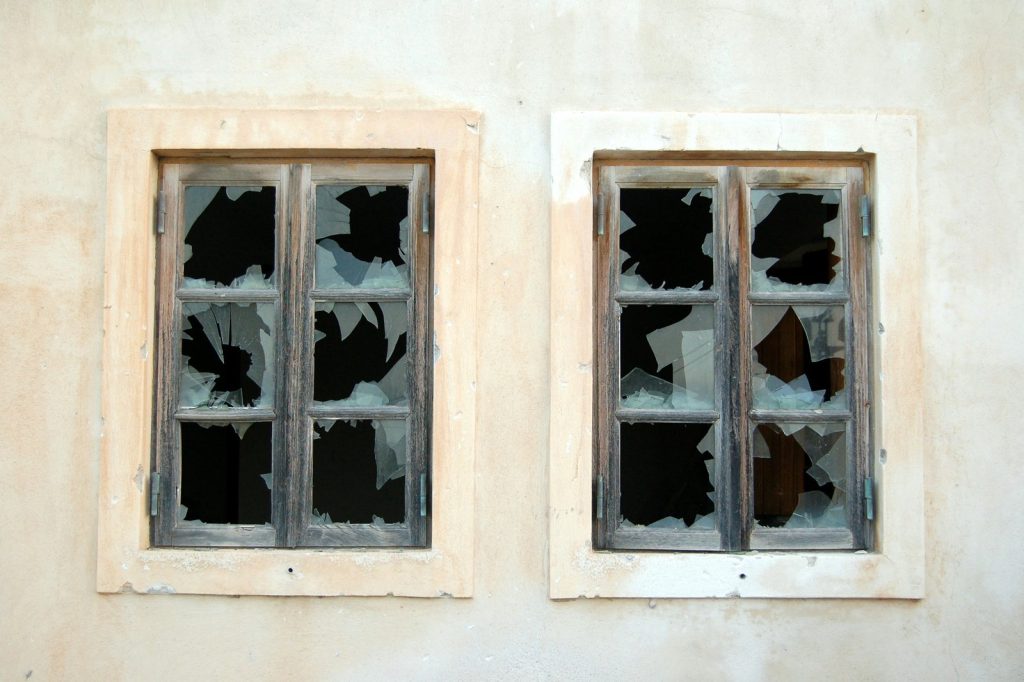
When a sliding window fails before its time, the cause is rarely a mystery and almost never random. The same handful of sliding window problems show up over and over in the call-back visits we do across Jamaica. Once you know what to look for, most of them are preventable with five minutes of maintenance every few months.
Here are the six failure modes we see most often, why they happen, and the simple habits that stop them.
Problem 1: stuck or stiff sliders
The most common complaint. A window that opened smoothly for years suddenly drags, jerks, or refuses to slide at all.
Almost always, the cause is one of three things. Debris compacted in the track, dust and dirt that has worked its way around the rollers, or rollers that have worn flat and lost their bearing.
The first two are a cleaning problem and resolve in fifteen minutes with a brush, a toothbrush, and a damp cloth. The third is a parts problem and needs the rollers replaced, which is a small job for an experienced installer or a confident DIY homeowner.
Prevention: vacuum or brush the tracks every two to three months. Apply a small amount of silicone spray to the rollers and track twice a year. Never use oil-based lubricants because they attract dust and accelerate exactly the wear you are trying to prevent.
Problem 2: water collecting in the track
You open the window after a heavy rain and there is standing water in the bottom track. Worse, water has crept past the seal and is showing up on the sill or the floor inside.
The almost-universal cause is blocked weep holes. Every sliding window has small drainage openings (usually on the outside edge of the bottom track) that let collected rainwater drain back out. When dirt, leaves, dead insects, or old sealant block those holes, water has nowhere to go and either pools or migrates inward.
Prevention: locate the weep holes on your windows (small slots or holes in the outside face of the bottom rail). Every six months, run a thin piece of wire or a paperclip through each one to clear any blockage. This takes thirty seconds per window and is the single highest-value maintenance habit we know of.
Problem 3: seals that no longer seal
The weather stripping around the moving panel and along the frame is meant to flex and rebound for years. Over time it loses elasticity, especially in direct sun. You notice the symptom when you start hearing more outdoor noise than you used to, or when an obvious draft is coming in around the closed window, or when rain reaches inside during a storm that never used to be a problem.
The replacement strip itself is inexpensive. Sourcing the right profile for your specific window can take a phone call or two to identify, but most aluminum sliding window seal types are widely available.
Prevention: inspect the seals annually. Press them with your finger. If they spring back, they are fine. If they stay compressed or feel brittle, they are due for replacement. Catching this early prevents the secondary damage that follows (water, mould, frame corrosion at fastener points).
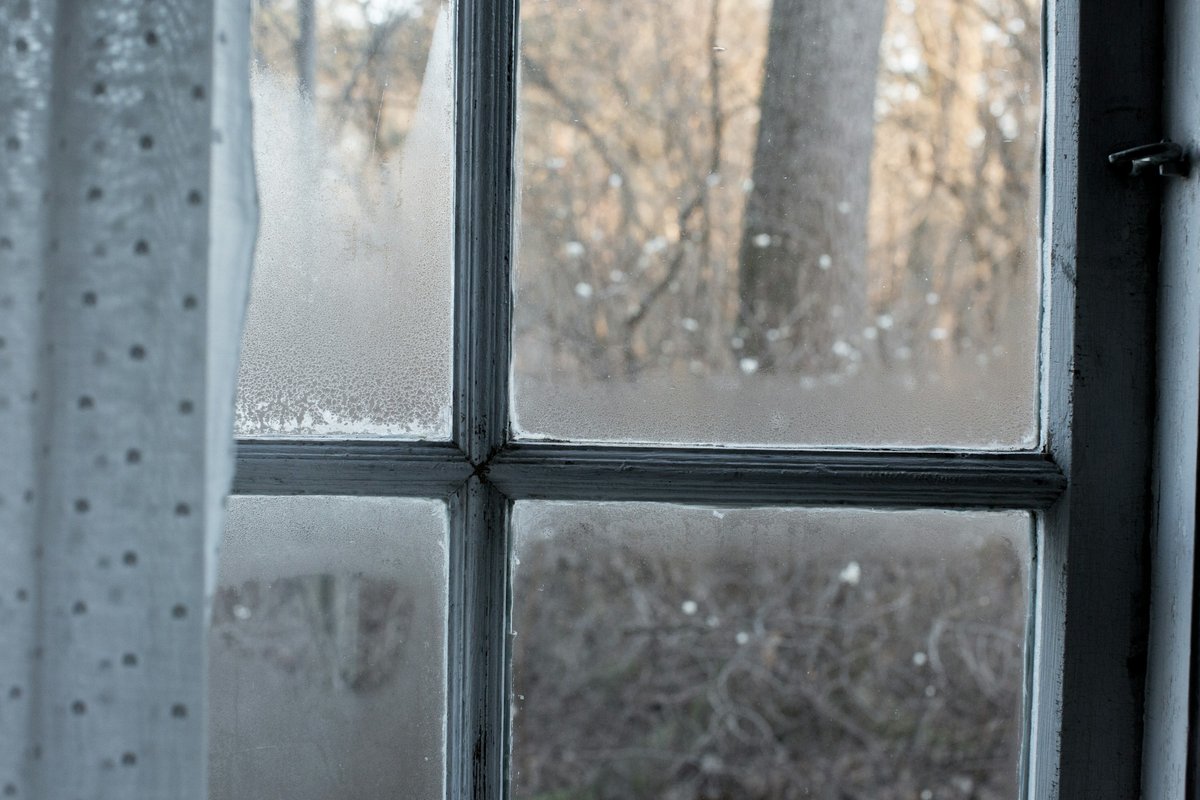
Problem 4: condensation between the panes
You spot a misty, foggy patch between the two layers of glass in a double-glazed unit. Wiping the inside or outside of the window does nothing. The fog is sealed inside.
That is double-glazing seal failure. The unit was filled with dry air or inert gas between the panes, and the perimeter seal that held the panes parallel and kept moisture out has broken down. Once the seal fails, the unit cannot be re-sealed in the field. The double-glazed unit itself has to be replaced.
This one is less preventable than the others. Single-glazed sliding windows do not have this failure mode at all. Double-glazed units in coastal or high-humidity locations are more vulnerable. Quality of the original seal varies hugely by manufacturer. Buying from a reputable installer who specifies a known-good double-glazed unit is the prevention.
Problem 5: pitting and chalking on the aluminum
The frame starts to show small pits, white powdery deposits, or a dulled, faded finish where it was once smooth and uniform. This is more cosmetic than functional, but it is unattractive and it can progress.
Powder-coated aluminum is normally hardy for 15 to 20 years in normal conditions. Coastal homes see this faster because salt air accelerates corrosion. Inland homes near busy roads see it accelerated by road grime and pollutants.
Prevention: wash the frame every month or two with mild dish soap and warm water. Dry it after. Do not use abrasive pads or strong chemicals. For coastal homes, this maintenance becomes more important, not less. A frame that gets rinsed monthly is much slower to chalk than one that does not.
Problem 6: handles and locks that bind or rattle
Hardware that has loosened, misaligned, or worn out. The handle wiggles when you grip it. The lock does not catch reliably anymore. The slider rattles when the wind hits it.
Most often the fix is a screwdriver and a careful tightening of the mounting screws (taking care not to over-tighten and crack the aluminum). Sometimes a part has actually worn out and needs replacing, in which case the brand and model of the original hardware matters for sourcing the correct replacement.
Prevention: check handles and locks for play once or twice a year. Tighten any loose screws. If a part is loose because the mounting hole has worn out, that is a sign to call someone before it gets worse.
The maintenance habit that prevents most sliding window problems
If we had to name the single thing that prevents most of the failures above, it is the quarterly track-and-weep-hole clean. Fifteen minutes per window, four times a year.
That one habit prevents stuck sliders (clean tracks, less roller wear), prevents track-pooled water and the seal failures that follow, prevents most of the cosmetic corrosion at fastener points, and gives you a chance to spot small problems before they become large ones.
The annual job is more involved: deeper clean, silicone on the rollers, seal inspection, hardware check. Allow thirty minutes per window once a year.
That is the entire maintenance protocol. Most people who do nothing have windows showing problems by year eight. Most people who do the quarterly clean and the annual inspection have windows that still look and operate well at year eighteen.
When to call a professional
A few situations are not DIY territory:
- A double-glazed unit fogged between the panes (replacement only)
- A frame showing visible cracking, not just pitting (structural concern)
- A window that has come out of plumb (the wall or the frame has moved)
- Hardware that is genuinely broken and not just loose
- Any leak that has gone past the seal and is showing up inside the wall
Catching these early is much cheaper than catching them late.
Related reading
- How to clean sliding windows without damaging the finish
- Sliding windows hardware: when to repair, when to replace
Frequently asked questions
Why do sliding windows fail?
Six common causes: stuck or stiff sliders (usually a cleaning issue), water collecting in the track (blocked weep holes), seals losing elasticity, condensation between double panes (sealed unit failure), pitting or chalking on aluminum (coastal exposure), and hardware that has worn out. Most are preventable with regular maintenance.
What are weep holes on a sliding window?
Weep holes are small drainage openings on the outside edge of the bottom track that let collected rainwater drain back out. When dirt, leaves, dead insects, or old sealant block them, water pools in the track or migrates inward. Clearing weep holes every six months is the highest-value maintenance habit for sliding windows.
How long should sliding window seals last?
Quality EPDM rubber seals typically last 10 to 15 years. Cheaper TPE seals last less. If a seal feels brittle, stays compressed when pressed, or has pulled away from its track, it is at the end of its service life and should be replaced before secondary damage starts.
What causes condensation between window panes?
Failed double-glazing seals. The unit was filled with dry air or inert gas between the panes, and the perimeter seal that kept moisture out has broken down. Once the seal fails, the unit cannot be re-sealed in the field. The double-glazed unit itself has to be replaced.
Can pitted aluminum window frames be repaired?
Mild surface pitting can be sometimes wiped and polished. Frame corrosion that has penetrated the powder coat into the aluminum itself is usually past repair. If multiple windows show the same advanced wear, it usually means the original spec was wrong for the exposure and replacement is more economical than progressive repairs.
The next step
If you have a sliding window misbehaving and you are not sure whether it is a cleaning issue, a hardware issue, or a replacement situation, the contact page has WhatsApp and phone. A quick photo or two usually tells us which bucket you are in.
The sliding windows service page covers what we install when an old unit is past repair. The quote request form starts a replacement project if that is the right call.
Windows do not have to fail at year ten. The ones that do almost always fail because nobody noticed the warning signs early enough.