

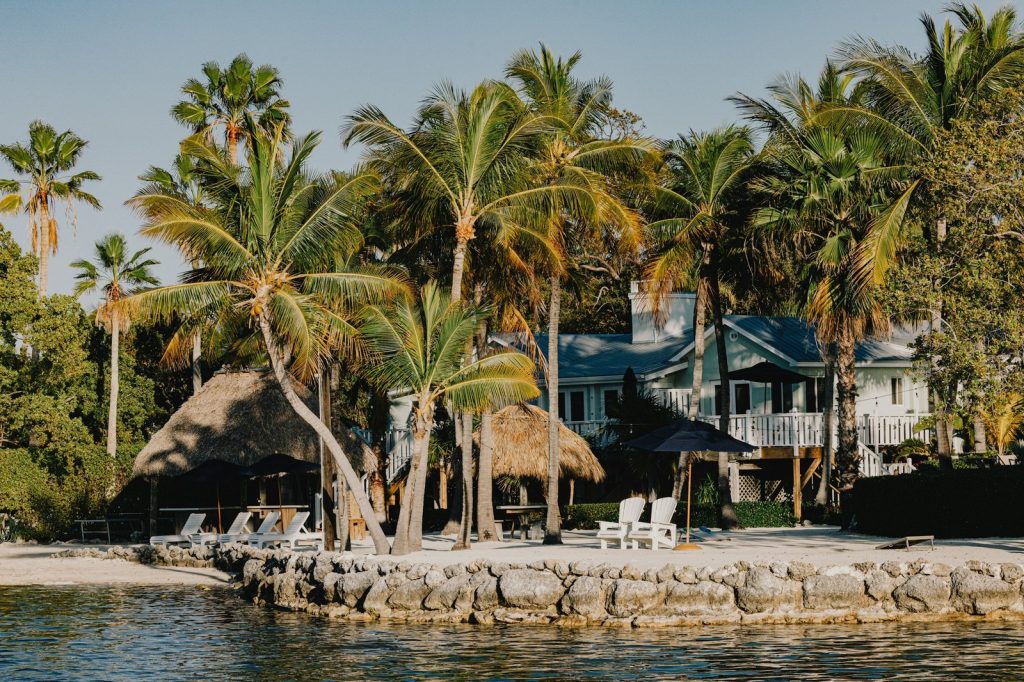
A standard aluminum sliding window in an inland Jamaican home routinely makes it past twenty years with normal care. Move the same window within sight of the sea, and the realistic working life drops to twelve to fifteen years unless the specification was deliberately chosen for the exposure. Coastal sliding windows are a different conversation from inland ones, and treating them the same is one of the most expensive mistakes we see on the island.
Here is the honest picture of what to expect, what shortens the life, and the spec choices that make the difference.
The base lifespan: inland versus coastal
For a standard residential aluminum sliding window with a quality powder-coated finish and minimal maintenance, the working life ranges roughly like this:
- Inland Kingston, Mandeville, Spanish Town: 20 to 25 years
- Coastal but elevated (Stony Hill, parts of Red Hills): 18 to 22 years
- True coastal (within half a mile of breaking surf, exposed to salt-laden breeze): 12 to 18 years
- Direct beachfront (within 600 feet of the high-water mark): 10 to 15 years without coastal-grade spec
These are real working ranges from installations we have followed over the last fifteen years. They are not best-case marketing numbers. They assume the windows were not subjected to hurricane damage, were maintained at least intermittently, and started life with a competent install.
The same window in two different locations can have a twelve-year difference in service life. That is the magnitude of what coastal exposure does.
What “coastal” actually means for window longevity
The salt air does not work the same at every distance from the shore. The chemistry that ages an aluminum frame and the hardware on it is most aggressive in three specific exposure conditions:
- Within 1500 feet of breaking surf, where airborne salt particles are densest
- On the windward side of a property where prevailing trade winds carry salt inland
- In low-lying coastal areas where moist sea air pools rather than dissipates
A window on the leeward side of an inland-facing wall might fare meaningfully better than the same window on the seaward-facing wall of the same property. We have seen single-property installs where the seaward-facing windows needed attention at year ten and the leeward ones were still in good shape at year twenty.
Wind direction and orientation matter more than most people assume. If you are planning replacements, the seaward elevation is where to invest in the upgraded spec, not necessarily every elevation.
The factors that determine where in the range you land
The same exposure can produce very different results depending on the original spec and the upkeep:
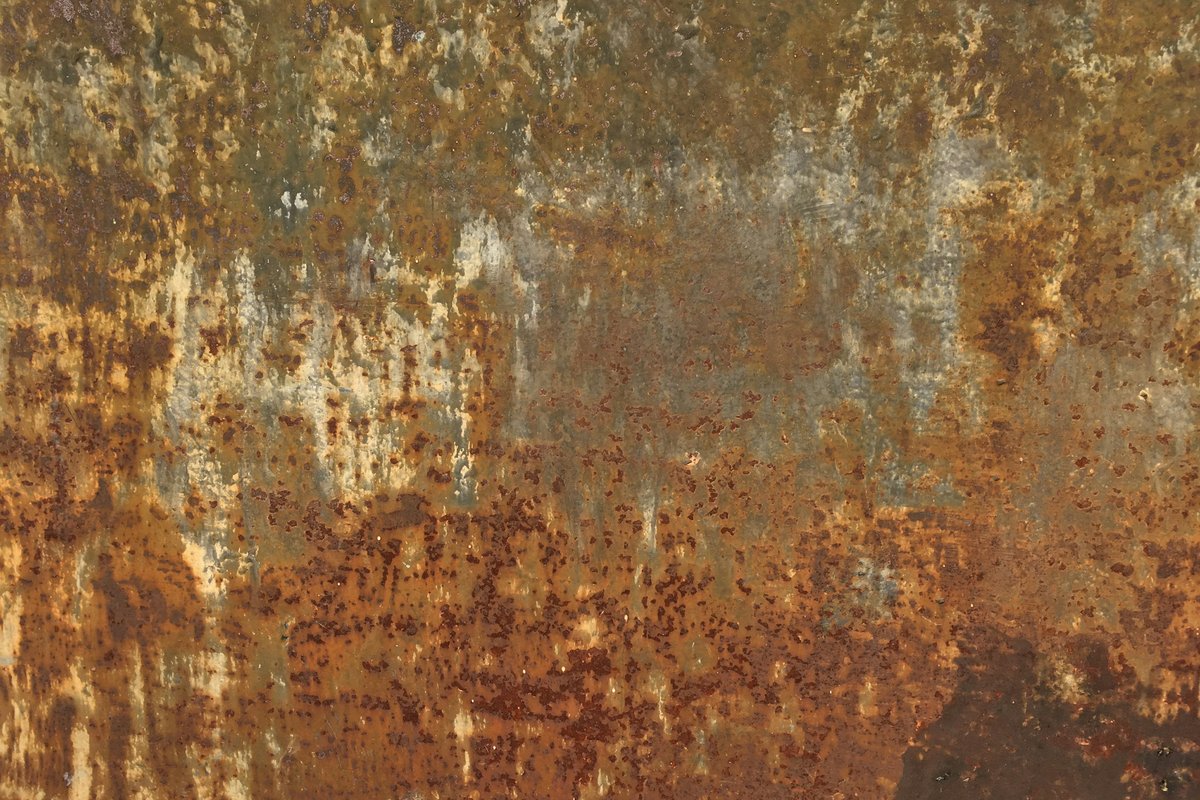
- Frame finish. A standard powder-coated frame is rated for normal conditions. A marine-grade powder coat with proper substrate prep is rated for coastal. An anodised frame (especially class I or marine-grade anodise) handles salt air noticeably better than standard powder coat.
- Frame profile thickness. Heavier commercial-grade extrusions resist long-term distortion better than minimum-spec residential profiles.
- Hardware metallurgy. Stainless steel fasteners and hardware are the right call within sight of the sea. Standard zinc-plated fasteners will visibly rust within years.
- Glass and seal quality. Cheap seals fail faster in heat and humidity. Quality EPDM seals can last twice as long.
- Install quality. A clean, properly sealed install does not give salt air a path to attack the substrate. A sloppy install creates entry points that no amount of finish quality can fix.
- Maintenance frequency. A coastal window washed monthly with fresh water lasts far longer than the same window washed twice a year.
The variable with the biggest range of outcomes is maintenance, because it is the cheapest and most often skipped.
What good specification looks like for coastal Jamaica
When we quote a project on the coast, the spec sheet looks different from an inland project:
- Heavier aluminum profile (commercial grade, not residential minimum)
- Marine-grade powder coat or anodised finish on the frame, not standard powder coat
- Stainless steel hardware throughout (handles, locks, screws, brackets)
- EPDM rubber seals rather than cheaper TPE alternatives
- Drainage and weep holes designed to clear quickly and not retain salt water
- Where possible, the frame fasteners isolated from the wall material to prevent galvanic corrosion
That spec costs more upfront. The math usually works out anyway because the coastal-spec install lasts long enough to amortise the upgrade across years where the cheap install would have required replacement.
If a quote for a coastal property is the same price as a quote for an inland property, you are probably not getting the coastal spec. Ask explicitly what is being installed.
The maintenance schedule that makes the difference
For coastal homes, the maintenance frequency that meaningfully extends life is closer to monthly than quarterly:
- Monthly fresh-water rinse of the frames (no soap needed for a maintenance rinse, just water)
- Quarterly full clean with mild dish soap and water
- Quarterly weep hole clearing
- Twice-yearly silicone lubrication of rollers
- Annual inspection of seals, hardware, and finish
The fresh-water rinse is the highest-value single habit. It washes off the salt deposits before they have time to chemistry with the aluminum surface. A fifteen-minute monthly pass with a garden hose extends life measurably.
For homes more than 1500 feet from breaking surf but still in coastal Jamaica, the maintenance schedule is closer to inland with one or two extra rinses a year.
Signs your coastal sliding windows are reaching end of life
Some indicators are normal aging. Others signal that the unit is past economical repair:
- Cosmetic pitting and chalking on the finish (normal at year 10-15, accelerate with neglect)
- Hardware that has visibly rusted but still functions (replaceable, not end-of-life)
- Seals that have hardened past replacement viability (replace the seals first, then assess)
- Frame corrosion that has penetrated the powder coat into the aluminum itself (often end-of-life for that unit)
- Frame distortion or sag that affects operation (structural issue, not cosmetic)
- Multiple windows showing the same advanced wear at the same time (often a sign the spec was wrong from the start)
A single window with one of these symptoms can usually be repaired or replaced individually. A whole elevation showing the same wear pattern is usually a sign to plan a wider replacement.
Related reading
- Aluminum finish options for sliding windows: black, white, bronze, natural
- Annual maintenance checklist for sliding windows
Frequently asked questions
How long do aluminum sliding windows last in coastal Jamaica?
12 to 18 years for true coastal homes within a mile of the surf, assuming standard residential spec. Marine-grade spec stretches that to 18 to 25 years. Inland Jamaican homes routinely get 20 to 25 years from the same standard spec. The salt exposure makes the biggest single difference.
What kills aluminum sliding windows fastest near the sea?
Salt air, hands down. Salt attacks the powder coat finish, pits the aluminum, and rusts standard zinc-plated hardware within months. Combined with high humidity and UV exposure, coastal conditions accelerate every failure mode that affects sliding windows.
Is marine-grade aluminum worth the extra cost?
For coastal Jamaican homes within a mile of the water, yes. The cost premium is 30 to 50 percent over standard spec but the lifespan difference is often double. Without marine-grade spec, you replace the windows once during your time in the home. With it, you usually do not.
Can old coastal sliding windows be saved?
Sometimes, depending on what has failed. Hardware can be replaced. Seals can be replaced. Surface chalking can be cleaned. Frame corrosion that has penetrated through the powder coat into the metal is usually past repair, and at that point planned replacement is more economical than progressive fixes.
How often should I clean sliding windows near the coast?
Monthly fresh-water rinse to clear salt residue is the single most valuable habit. Quarterly full clean with mild dish soap. Twice-yearly silicone lubrication of rollers. Coastal cleaning frequency is roughly double what inland homes need.
The next step
If you have a coastal Jamaican property and want a realistic assessment of your current windows or a coastal-spec quote for a replacement, the contact page is the fastest way to start. A few photos and a rough property location are usually enough to give a useful first answer.
The sliding windows service page covers the configurations and finishes we typically install. The quote request form starts a formal project conversation.
Coastal Jamaican homes can have aluminum sliding windows that look and operate well at year twenty. It takes the right spec and the right care. Both of those are knowable up front, not lucky accidents.