

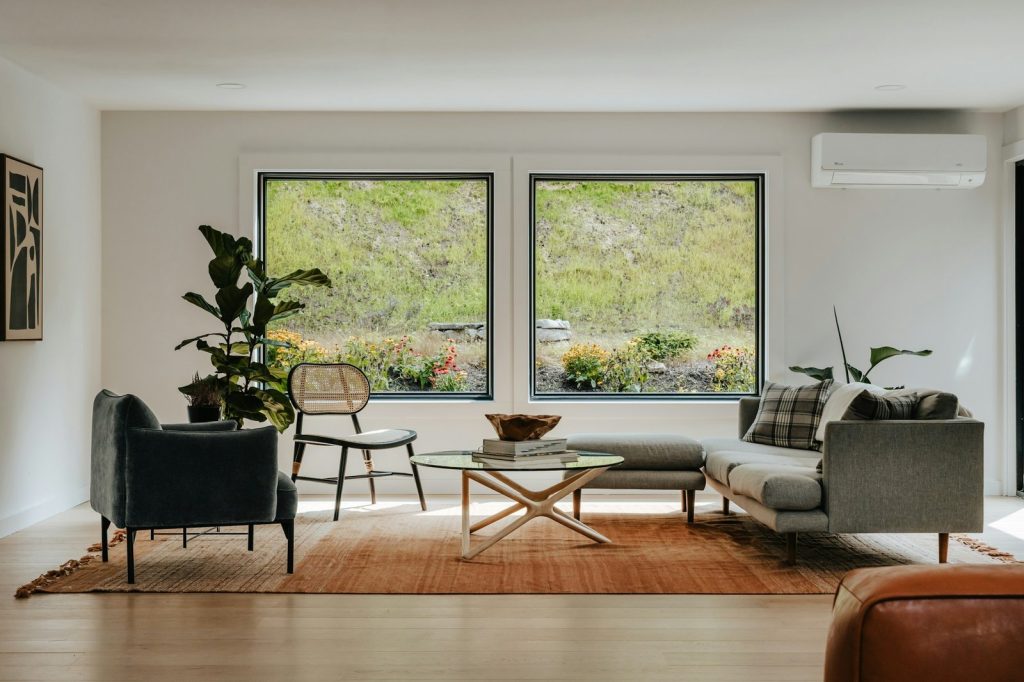
The aluminum finish on a sliding window is one of those decisions that gets treated as cosmetic and turns out to be structural. The right finish suits the architecture and lasts the working life of the window. The wrong finish dates the project five years in and starts breaking down at year ten in coastal conditions.
For most Jamaican homes today, the sliding window aluminum finish conversation narrows to four real options: black, white, bronze, or natural. Each has a defensible case and each has trade-offs that show up over the longer term. Here is what we tell people on site.
The four finishes most installed in Jamaica today
By volume, the residential aluminum sliding window finishes we install most often are:
- Matte or satin black powder coat (the current default for modern builds)
- Gloss white powder coat (the safe classic, still the highest-volume colour overall)
- Bronze powder coat or anodised bronze (the warmth and depth option)
- Natural anodised aluminum (the coastal-grade choice)
Custom RAL colour matching is also available for any specific palette requirement, with a small premium and a slightly longer lead time. Most projects do not need custom, but the option is real.
Black: the dominant choice today
Matte black or satin black has been the most-specified finish on new residential builds in Jamaica for roughly the last five years. There is a reason. It reads modern, it makes the glass the visual focal point, and it works against almost any wall colour or tile choice.
Black is offered as a powder coat finish, applied over a properly prepped aluminum substrate and cured to a hard, scratch-resistant surface. A quality black powder coat holds its colour for 15 to 20 years inland. Coastal performance drops to 10 to 15 years unless the powder coat is specified as marine-grade.
The trade-off worth knowing: black shows everything. Dust, mineral deposits, salt residue, fingerprints near the handle. Black windows look stunning when clean and slightly tired when they have not been wiped down for a month. If you are not the household member who will be cleaning the windows, that is a conversation worth having before you sign off on black.
For the right project, it is the right answer. For a project where maintenance discipline is not realistic, white may be the easier finish to live with.
White: the safe classic
Gloss white powder coat (typically RAL 9910 or RAL 9010) is still the highest-volume single colour we install across all our projects. It looks intentional in traditional and modern architecture, it forgives the small dust and residue accumulation that black does not, and it pairs with almost any interior.
White powder coat handles UV exposure well. The finish chalks slowly over time (mostly cosmetic), and most clients do not notice the change until year ten or later. Touching up minor scratches is easier on white than on any other colour because the match is closer to universal.
The trade-off: white is the default. If you are aiming for a feature look, white may not be the finish that gives you it. White is the finish that disappears into the architecture, which is sometimes exactly what you want and sometimes not.
For traditional Jamaican residential builds, additions, and rental properties, white is hard to beat for its combination of price, performance, and quiet aesthetic.
Bronze: the warmth option
Bronze, in either powder coat or anodised form, has been having a moment in the last two to three years. It adds warmth and depth that neither black nor white offers, reads well against natural materials (wood, stone, brick), and gives a building a quieter sophistication than the high contrast of black on white.
Bronze comes in several variants. Light bronze leans almost copper. Medium bronze is the classic mid-tone. Dark bronze is close to black with a brown undertone visible in direct light. Each works in different palettes.
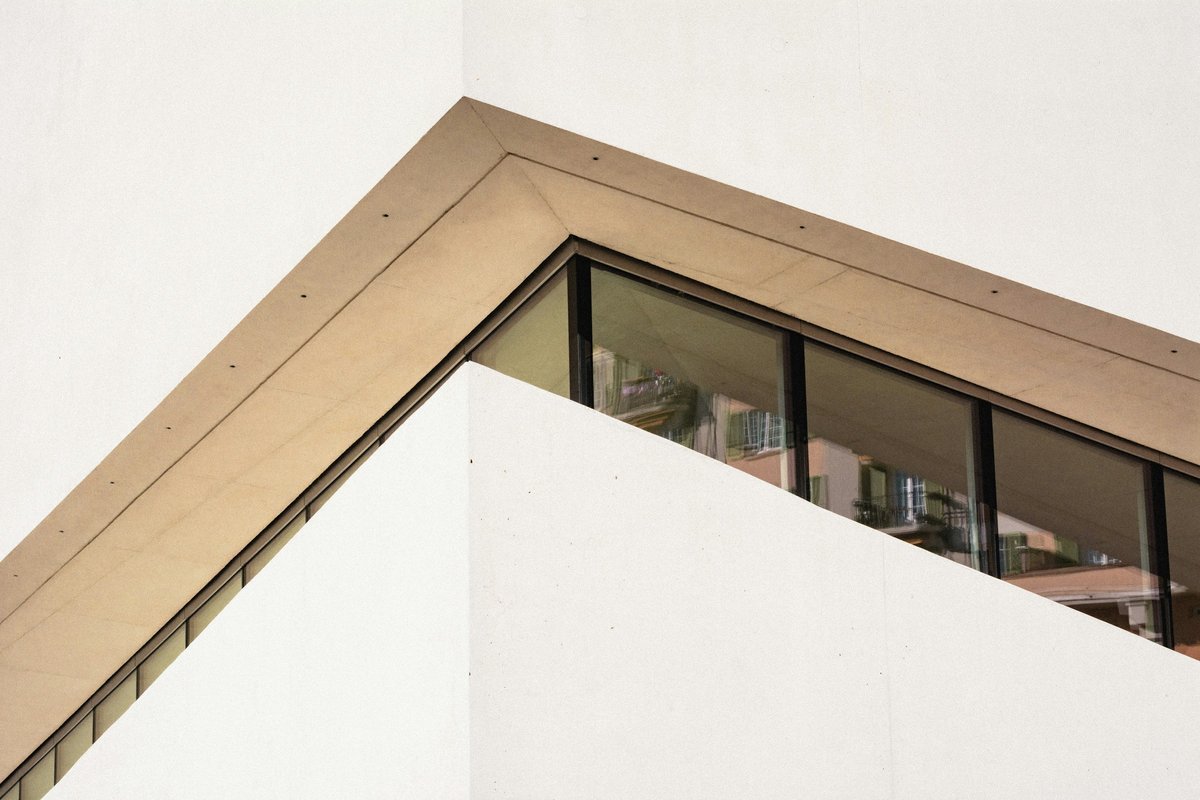
Performance is comparable to black or white in powder coat form. Anodised bronze (especially medium and dark) performs notably better in coastal conditions because the finish is integral to the metal rather than a coating on top. A coastal client specifying bronze is often better served by anodised than powder coat.
The trade-off: bronze has a stronger character than white, which makes it less flexible. A bronze that suits a 2026 architecture may feel dated for a different style in 2036. Choose bronze when you are committing to its specific look, not as a default upgrade.
Natural anodised: the coastal-grade choice
Natural anodised aluminum (sometimes called clear anodised) shows the metal’s own colour with a subtle silvery-grey tone. The finish is created by electrochemically thickening the aluminum’s natural oxide layer, which becomes part of the metal rather than a coating applied on top.
This is the right call for two situations. The first is severe coastal exposure where salt air will eventually attack any powder coat finish but cannot break down anodised aluminum the same way. The second is a contemporary or industrial design language where the visible aluminum is a deliberate aesthetic, not a fallback.
Anodised aluminum costs more than powder coat at install. It tends to repay the premium in coastal applications because the working life is meaningfully longer with less maintenance pressure. For a beachfront or salt-air-exposed Jamaican property, anodised is often the most economical option across the lifespan.
The trade-off: anodised gives you fewer colour options. Natural and bronze are the common choices. If you want a specific colour, powder coat is the path. If you want a finish that lasts and looks intentional on a contemporary building, anodised is hard to beat.
Custom RAL colours
Beyond the standard four, any RAL colour can be specified for a sliding window aluminum finish. Common custom requests include anthracite grey (RAL 7016), specific shades that match window trim on existing buildings, or colour matches to a paint or tile selection.
The cost premium for custom RAL is small (typically 10 to 20 percent over standard finishes). The lead time stretches by one to two weeks because the powder coat run has to be set up for the specific colour batch. For a project where the colour really matters, the premium and the wait are usually worth it.
We do not recommend custom RAL when a standard colour would do the job. It adds risk (batch consistency, future touch-ups) without enough benefit to justify the cost.
How to pick the right sliding window aluminum finish
The framework we walk through on site visits:
- Coastal property, within half a mile of breaking surf: anodised natural or anodised bronze
- Modern build, inland, design-driven: matte or satin black powder coat
- Traditional or transitional architecture: white powder coat
- Warmth-driven design with wood or stone elsewhere: bronze (powder coat inland, anodised if coastal)
- Specific colour matching needed: custom RAL with the appropriate lead time
- Mixed-use or rental property where maintenance is not a given: white
Whatever finish you choose, ask whether marine-grade or standard is being installed. The same colour can come from either, and the price difference is small but the performance gap on the coast is significant.
Related reading
- How long do sliding windows last in coastal Jamaican homes?
- Custom vs standard sliding windows: which fits your home?
Frequently asked questions
What is the most popular sliding window finish in Jamaica?
Matte or satin black powder coat is the most-specified finish on new modern residential builds. Gloss white remains the highest-volume single colour overall because it suits traditional and transitional architecture. Bronze is growing in popularity. Natural anodised is the coastal-grade default.
What is the difference between powder coat and anodised aluminum?
Powder coat is a coloured coating sprayed onto the aluminum surface and cured. Anodised is an electrochemical process that integrates the finish into the metal itself rather than applying it on top. Anodised holds up much better in coastal conditions because salt cannot peel or chip it.
How long does aluminum window finish last?
Quality powder coat: 15 to 20 years inland, 10 to 15 years on the coast. Anodised: 20 to 25 years inland, 18 to 22 years coastal. Marine-grade combinations of anodised substrate with marine powder coat can last 25 years or more even at the shoreline.
Can sliding window frame colour be changed later?
Powder coat cannot be re-sprayed in place; it requires the frame to be removed and re-finished off-site, which is rarely economical. Painting over factory powder coat is possible but the finish does not last well. If colour might change, it is much cheaper to choose carefully at install time.
Is matte black harder to maintain than white?
Yes, slightly. Black shows dust, water spots, and salt residue more visibly than white. A black-framed home benefits from more frequent wiping to look its best. White is more forgiving of skipped maintenance. The difference is cosmetic, not structural.
The next step
If you want to see actual finish samples on existing installs before deciding, the contact page is the easiest way to arrange. We can show you matte black versus satin black, gloss white versus matte white, and the different bronze tones on actual aluminum, which photographs do badly.
The sliding windows service page has more on the systems we install. The quote request form starts a project where the finish becomes one of the spec lines you approve before fabrication begins.
The right finish is the one that suits the building and lasts the working life of the install. Black is having its moment. White is forever. Bronze is for the warmth. Natural is for the salt air. None of them are wrong if the reasoning fits the project.