

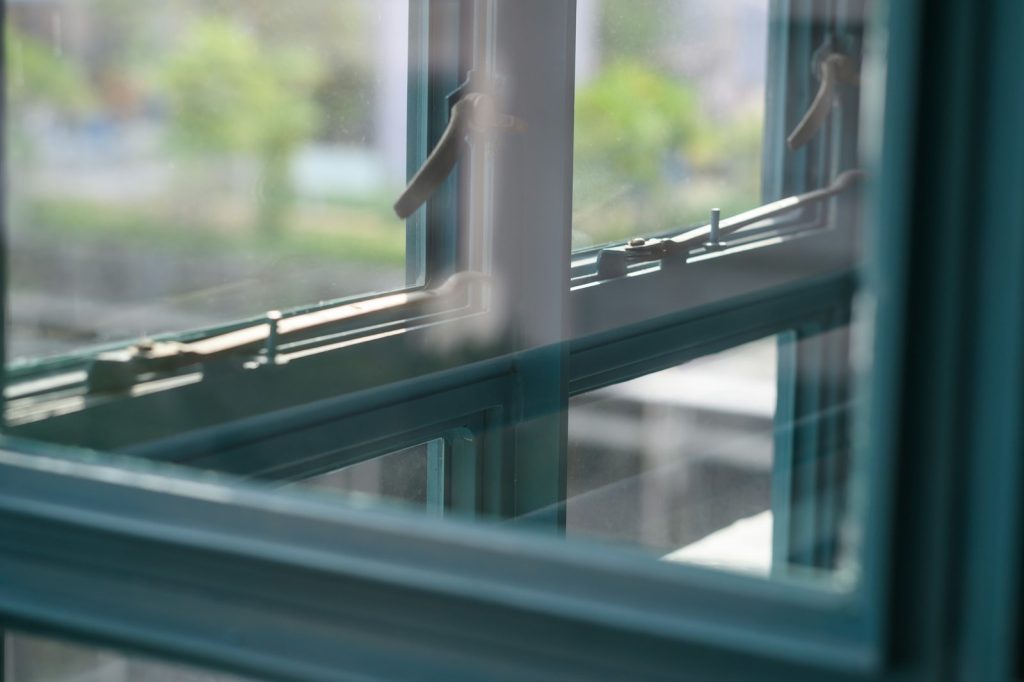
In theory, a sliding window can be built from four common frame materials: aluminum, uPVC (also called vinyl), wood, or fiberglass. In practice, in residential Jamaica, almost every install we quote is aluminum. The other three are real options that come up sometimes, for specific reasons. Here is the honest comparison of sliding window materials if you’re weighing them all.
The four sliding window materials in the residential market
Quick overview before the details:
- Aluminum: dominant residential choice in Jamaica. Light, strong, many finishes, long service life.
- uPVC (polyvinyl chloride, unplasticised): the most-installed window material globally. Naturally insulating and moisture-resistant, but mostly imported here.
- Wood: traditional, beautiful, high-maintenance. Rare in modern Jamaican residential.
- Fiberglass: premium, strong, thermally stable. Very rare locally because of import cost.
The same opening can be built in any of these and the window operates the same way. What changes is lifespan, performance, cost, and how each material ages under our specific climate.
Aluminum: the dominant choice in Jamaica
Aluminum sliding windows are the residential default for several reasons. The material is light enough to make large openings practical, strong enough to carry the structural load with a relatively slim frame, available locally through established suppliers, and resistant to most of the failure modes that affect other materials in tropical conditions.
In practice that means an aluminum frame doesn’t rot, warp, or attract termites. It doesn’t swell or delaminate when humidity changes. The standard finishes (powder coat or anodised) hold up well over years of direct sun and rain. A properly specified aluminum slider in Jamaica routinely lasts 20 to 25 years inland and 12 to 18 years on the coast.
The weakness is thermal conduction. Aluminum transfers heat readily, so an uninsulated aluminum frame on a hot day conducts outdoor heat into the air-conditioned room. The fix is a thermal break frame, which puts a non-conductive plastic strip inside the aluminum profile to break the path. Thermal break is now standard on energy-efficient aluminum and is worth specifying if AC running cost is part of the calculation.
For more on aluminum finishes specifically, see our aluminum finish options for sliding windows guide.
uPVC: the cost-driven alternative
uPVC sliding windows are the most-installed residential window globally. The material is naturally insulating (a uPVC frame conducts much less heat than aluminum), moisture-resistant, pest-resistant, and inexpensive to manufacture.
In Jamaica, uPVC is an option but not a common one. Most uPVC windows are imported because local fabrication is limited, which removes the cost advantage that makes uPVC competitive in other markets. The supply chain for repairs and replacement parts is less developed locally than for aluminum.
There is also a tropical-climate concern with cheaper formulations. Standard uPVC can warp or discolour under sustained direct sun, especially in dark colours. Quality uPVC with UV stabilisers handles tropical conditions well, but the cheaper imports do not always include those stabilisers.
If you specifically want uPVC, work with a supplier who imports UV-stabilised products rated for tropical climates, and confirm parts availability before signing.
Wood: the rare option
Wood sliding windows are beautiful, naturally insulating, and look right in heritage buildings or traditional architecture. They are also a difficult choice in Jamaican residential.
The problem is maintenance. A wood window in our climate needs to be repainted or resealed every 3 to 5 years to keep moisture, UV, and insects from damaging it. Even with diligent maintenance, wood swells and shrinks with seasonal humidity changes, which affects how the slider operates over time.
The few wood sliding windows we see in Jamaica are usually in colonial-era heritage renovations where the original material is part of the architectural value. For a new build or a standard renovation, wood is rarely the right call unless the project has the budget and the design intent specifically calls for it.
Fiberglass: the premium niche
Fiberglass sliding windows offer the dimensional stability of aluminum with better thermal performance than uninsulated aluminum. They do not rot, warp, or corrode, and they can be painted to match almost any design. The catch is cost: fiberglass frames typically run 2 to 3 times the equivalent aluminum and are not easily sourced or repaired locally in Jamaica.
We see them occasionally on high-end residential projects where the homeowner specifically wants the performance and is willing to pay the import premium. Most projects don’t justify it.
Why aluminum dominates Jamaica
The reasons aluminum is the default here, all real:
- Local supply chain. Frames are fabricated locally or sourced from established suppliers with parts availability and known lead times.
- Climate match. Aluminum handles humidity, salt air (with marine-grade spec), and direct sun without the failure modes that affect wood or cheap uPVC.
- Cost. Aluminum is competitive with imported uPVC and significantly cheaper than wood or fiberglass at equivalent quality.
- Hurricane performance. Aluminum is the standard material for hurricane-rated assemblies in our region.
- Familiarity. Local installers, maintenance contractors, and homeowners know it. Hardware ecosystem is mature.
The exception cases are real but small. Most homes save themselves trouble by going with the local default.
When each alternative actually makes sense
The specific scenarios where an alternative beats aluminum:
- uPVC works if the home has limited direct sun exposure, the homeowner specifically wants the better thermal performance, and you can source a quality UV-stabilised import.
- Wood is right for heritage renovations where the original material is required, or for design-driven projects that have the maintenance budget already in the plan.
- Fiberglass makes sense on premium projects with budget for imported specialty materials and a long-term hold horizon.
- Aluminum is the answer for every other residential case.
If you do go with an alternative, the trade-offs should be understood up front, not discovered three years in.
Related reading
- Aluminum finish options for sliding windows: black, white, bronze, natural
- How long do sliding windows last in coastal Jamaican homes?
Frequently asked questions
Why is aluminum used for sliding windows in Jamaica?
Aluminum doesn’t rot, warp, or attract termites; it handles humidity and salt air well with the right finish; it’s light enough to make large openings practical; it’s available locally through established suppliers; and the hardware ecosystem is mature. It’s the residential default for several reinforcing reasons.
Are uPVC windows better than aluminum in Jamaica?
uPVC is naturally insulating and cheaper globally, but in Jamaica most uPVC is imported (limited local fabrication), which removes the cost advantage. Cheap uPVC also warps in direct sun. Quality UV-stabilised uPVC works in Jamaica but parts and repairs are harder to source than for aluminum.
Why don’t we use wood sliding windows?
Wood needs repainting or resealing every 3 to 5 years in our humidity, swells with seasonal moisture, and attracts insects. It works for heritage renovations where the original material matters, but for new builds or standard renovations it’s rarely the right call here.
Is fiberglass a real option for sliding windows in Jamaica?
A niche option. Fiberglass is dimensionally stable, doesn’t corrode, and performs well thermally. It costs 2 to 3 times the equivalent aluminum and is hard to source or repair locally. Some high-end residential projects specify it; most do not justify the cost.
Will aluminum window frames rust at the coast?
Aluminum itself doesn’t rust (it forms a stable oxide layer), but the powder coat finish can peel and pit under salt exposure, and any steel fasteners or hardware near the frame will rust quickly. Marine-grade finishes and stainless hardware are the fix for coastal installs.
The next step
If you are weighing sliding window materials for a project, the quote request form is the easiest way to start a real conversation. We quote aluminum by default. We can also source uPVC or wood specifically if that is the direction you want, with the lead time and cost laid out in writing before you commit.
The sliding windows service page has more on our standard aluminum offering. The contact page is for questions before the quote stage.
If you are picking between materials, aluminum almost always wins in Jamaica. Worth at least asking about the alternatives, but not worth talking yourself into one without a specific reason.