

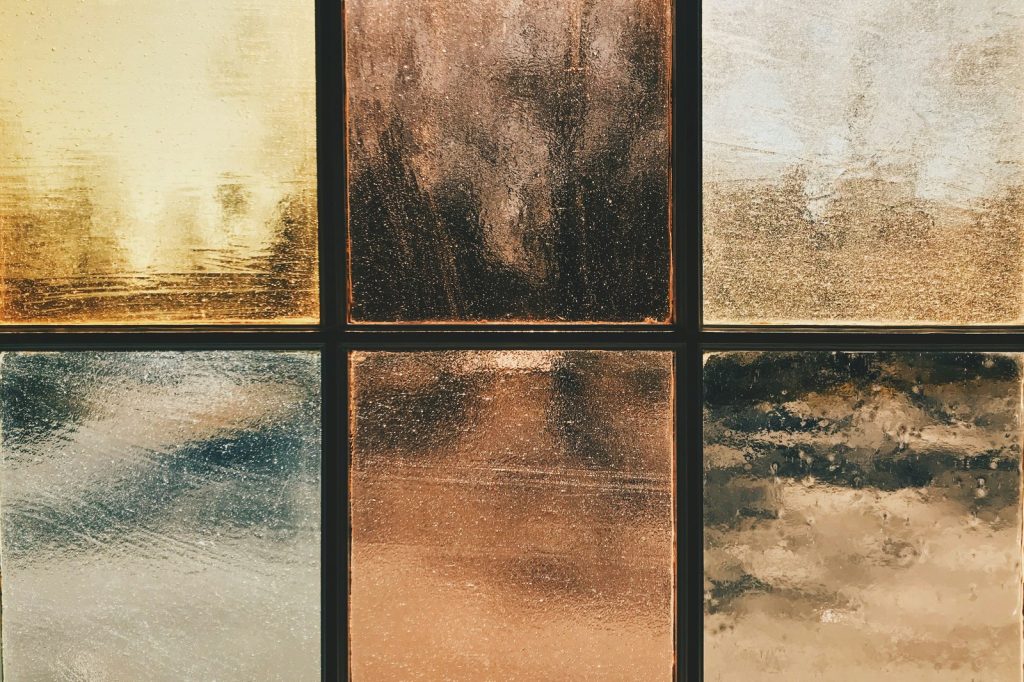
Aluminum finish options for storefronts: black, white, bronze, natural
The finish on a storefront’s aluminum framing is the most visible decision the business owner makes, and the one most often made the fastest. Black is having a moment, so the install goes black. Or the brand has a colour, so the framing gets matched to it. Or the building manager has an opinion and that opinion is “the usual silver.”
These are reasonable starting points but they leave a lot of value on the table. The finish you choose affects how the storefront looks on day one, how it ages over ten years, how much it costs to clean, how much it costs upfront, and how well it survives in your particular environment.
Here is a practical guide to the realistic finish options for Jamaican commercial storefront aluminum, with the trade-offs we share with every client.
The four main finish categories
For commercial storefronts in Jamaica, the four practical finish categories are mill, anodised, powder-coated, and specialty (wood-grain, metallic, textured).
Mill finish is bare aluminum with no coating. The raw metallic appearance straight off the extrusion press. Lowest cost, but no protection from corrosion or weathering. Rarely used on commercial storefronts in Jamaica because it does not hold up.
Anodised finish electrochemically grows a hard oxide layer on the aluminum surface, then optionally dyes that layer. Available in clear (silver), champagne, light bronze, dark bronze, and black. Very durable, factory-rated for ten to twenty years of weathering depending on grade. Mid-range cost.
Powder-coated finish is dry pigment electrostatically bonded to the aluminum, then heat-cured to a solid finish. Available in essentially any colour you can imagine. AAMA 2604 and 2605 grades are rated for coastal exposure. Mid-to-premium cost depending on grade.
Specialty finishes include wood-grain printing on aluminum, metallic powder coats with secondary colour, textured matte finishes, and dual-tone effects. Highest cost, most visual impact, fewer suppliers locally.
Each has a different look, different durability, and different best-use case.
The colour options at a glance
Black is the most-asked-for finish on modern Jamaican storefronts. It comes in true black (powder coat or anodised), in textured matte black, and in gloss black. It reads as modern, premium, and slightly serious. Hides fingerprints poorly on gloss, well on matte.
White is the classic commercial finish, particularly on hospitality and healthcare-adjacent businesses. It is available only in powder coat, because anodising does not produce a true white. It reads as clean, bright, and approachable. Shows dirt easily, requires more frequent cleaning.
Bronze (light or dark) is the traditional architectural finish, particularly common on commercial buildings from the 1990s and 2000s. It comes in anodised (durable, slightly more metallic) or powder-coated (more options for exact shade). It reads as substantial, conservative, timeless. It ages well visually because it gradually develops a slight patina.
Natural or clear anodised (silver) is the workhorse mill-look finish but with the durability of anodising. It reads as utilitarian, neutral, suitable for almost any context. The least expensive of the durable options.
Wood-grain and custom colours are the specialty options. Wood-grain printing has become more popular for hospitality and residential-style commercial installs. Custom brand colours allow the framing to match a logo or signage palette exactly.
Anodising versus powder coating
If you remember nothing else from this article, remember this distinction. Almost every Jamaican storefront finish question boils down to anodising versus powder coating, and the right answer depends on what you value.
Anodising bonds chemically to the aluminum surface. It cannot peel or flake because it is part of the metal. It is highly resistant to UV fading. It has a slightly metallic appearance even in dark colours. It is limited to five colour families (clear, champagne, light bronze, dark bronze, black). It is generally cheaper than premium powder coat.
Powder coating is a separate layer applied to the aluminum. It can theoretically peel or chip if the surface preparation was poor (rare on quality work). It comes in unlimited colours. It can have a matte, gloss, or textured finish. It is more vulnerable to harsh cleaners than anodising. Higher-grade specifications (AAMA 2604, 2605) are rated for years of coastal exposure, but the budget grades fail much sooner.
For most Jamaican storefronts in any of the five anodised colour families, anodising is the durability winner. For projects where the brand demands a specific colour outside that range, or where the design calls for a matte black or a white finish, powder coating is the right answer.
What works best in Jamaican conditions
Climate plays a much bigger role in finish longevity than most homeowners and business owners realise. A few rules of thumb.
For coastal installs within two miles of the water, AAMA 2605 powder coat (the highest commercial spec) or hard anodised (Class I, with the thickest oxide layer the supplier offers) are the only finishes we recommend. Both are rated for ten-plus years of salt-spray exposure. Lower-spec finishes fail within three to five years on the coast.
For inland installs, standard architectural anodising or AAMA 2604 powder coat are fine for most projects. The corrosion environment is milder and the finish does not need to be over-specced.
For high-traffic commercial doors, where the hardware mounting points see constant stress, anodising holds up slightly better than powder coat because there is no separate layer to chip when somebody catches a key on the door pull.
For high-end retail or hospitality where the visual finish is part of the brand, powder coat in a custom colour with a textured finish gives the best aesthetic outcome. Just spec the AAMA grade explicitly.
Cost comparison
For a typical Jamaican commercial storefront aluminum order in 2026.
Mill finish is the baseline, 100 percent of the base cost. We do not recommend it for finished installs.
Standard anodised (clear, champagne, light bronze) runs about 105 to 115 percent of mill.
Dark bronze or black anodised runs about 115 to 130 percent of mill.
Standard architectural powder coat (AAMA 2603) runs about 110 to 125 percent of mill, but is not coastal-rated.
AAMA 2604 powder coat (mid-grade, suitable for most inland projects) runs about 125 to 140 percent of mill.
AAMA 2605 powder coat (premium, coastal-rated) runs about 140 to 165 percent of mill.
Specialty finishes (wood-grain, dual-tone, custom metallic) run about 160 to 200 percent of mill.
The percentages apply to the aluminum portion of the project only, which is typically 30 to 40 percent of the total storefront cost. So a 20 percent finish upgrade on the framing translates to about a 6 to 8 percent uplift on the total project.
Cleaning and maintenance differences
Different finishes need different care.
Anodised surfaces are the most forgiving. They tolerate a wider range of cleaning products and shrug off most contact damage. A weekly wipe-down with mild soap and water is enough.
Powder-coated surfaces are slightly more sensitive. Use only pH-neutral cleaners. Avoid abrasive scrub pads. The coating itself is hard but the surface can be marred by aggressive cleaning over years.
Black finishes (both anodised and powder coat) show fingerprints and dust more than lighter colours. Plan for slightly more frequent cleaning, particularly around door pulls and at face height on the entry.
White finishes show dirt more than any other colour. Plan for considerably more frequent cleaning, especially in dusty or coastal environments where airborne particles are persistent.
Bronze and natural finishes are the most forgiving of fingerprints and dust. They look acceptable longer between cleans.
What we recommend by use case
A few rules of thumb for common Jamaican project types.
For a modern retail boutique with a contemporary brand: black anodised or matte black AAMA 2604 powder coat. Looks current, ages well, brand-flexible.
For a traditional commercial building or office: dark bronze anodised. Conservative, timeless, durable, low-maintenance.
For a hospitality or wellness business: white AAMA 2604 powder coat or a wood-grain specialty finish. Reads as welcoming and clean, though it needs the more frequent cleaning.
For a coastal property of any kind: AAMA 2605 powder coat in the colour of your choice, or hard anodised in one of the available colours. Pay for the durability spec, it will pay back.
For a tight-budget commercial install in an inland location: standard anodised in clear or champagne. Affordable, durable enough, looks professional.
A simple summary
The finish on your storefront is a long-term decision that affects look, cleaning, cost, and durability for the next ten to twenty years. Spend an extra hour at quote stage thinking through it rather than defaulting to “the usual silver” or “everyone is doing black.”
Anodising is durable but limited to five colour families. Powder coating gives you any colour but needs the right grade specified (AAMA 2604 minimum for most commercial, AAMA 2605 for coastal). Specialty finishes are great in the right project but cost more.
Pick for your environment, your brand, and your willingness to clean. The right answer is rarely the one the installer suggests by default.
Related reading
- How to choose the right glass thickness for storefronts
- What does a storefront installation cost in Jamaica?
- How long do storefronts last in coastal Jamaican homes?
For background on the anodising process referenced throughout this article, see the Wikipedia entry on anodizing.
The next step
If you are choosing a finish for a storefront install in Jamaica and you would like to see samples in person before committing, our team can bring physical swatches of the realistic options to the site visit. The right finish almost always becomes obvious when you see it next to the actual building.
Request a quote with samples, browse our commercial work, or get in touch to talk through the finish question for your project.