

Storefronts vs alternative materials
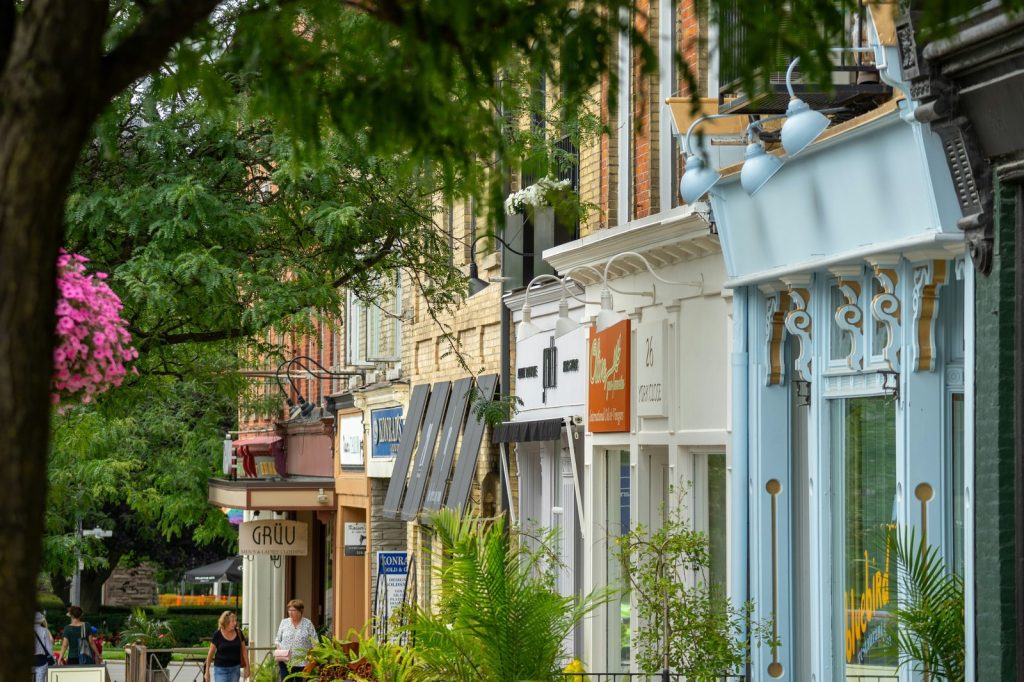
Glass-and-aluminum storefronts are the default for most Jamaican commercial fronts, and most of the time they are the right call. But “default” and “right” are not the same word. There are projects where alternatives beat them on cost, security, or function.
Here is the honest comparison: glass-and-aluminum versus the alternatives we see most often on Jamaican commercial buildings.
Glass-and-aluminum (the baseline)
Tempered or laminated glass panels in aluminum framing, with a glass or partially-glass entry door. The familiar look of most retail, office, and hospitality entries.
Maximum visibility, modern read, well-understood by every trade, wide glass and finish options, reasonable cost for the look. Daylight in, branding visible, customers can see what is inside before they walk in. Downsides are mostly about the glass itself. Tempered shatters into safe pieces but still shatters. Security relies on locks and possibly secondary shutters. Energy performance needs intentional spec (low-E or tint) to actually be good.
Cost typically lands JMD 350,000 to JMD 1,500,000 for a single-door commercial entry, depending on size and spec. Right answer for retail, office, hospitality, restaurants, salons, medical offices. Anywhere visibility and brand matter.
Roll-down metal shutters
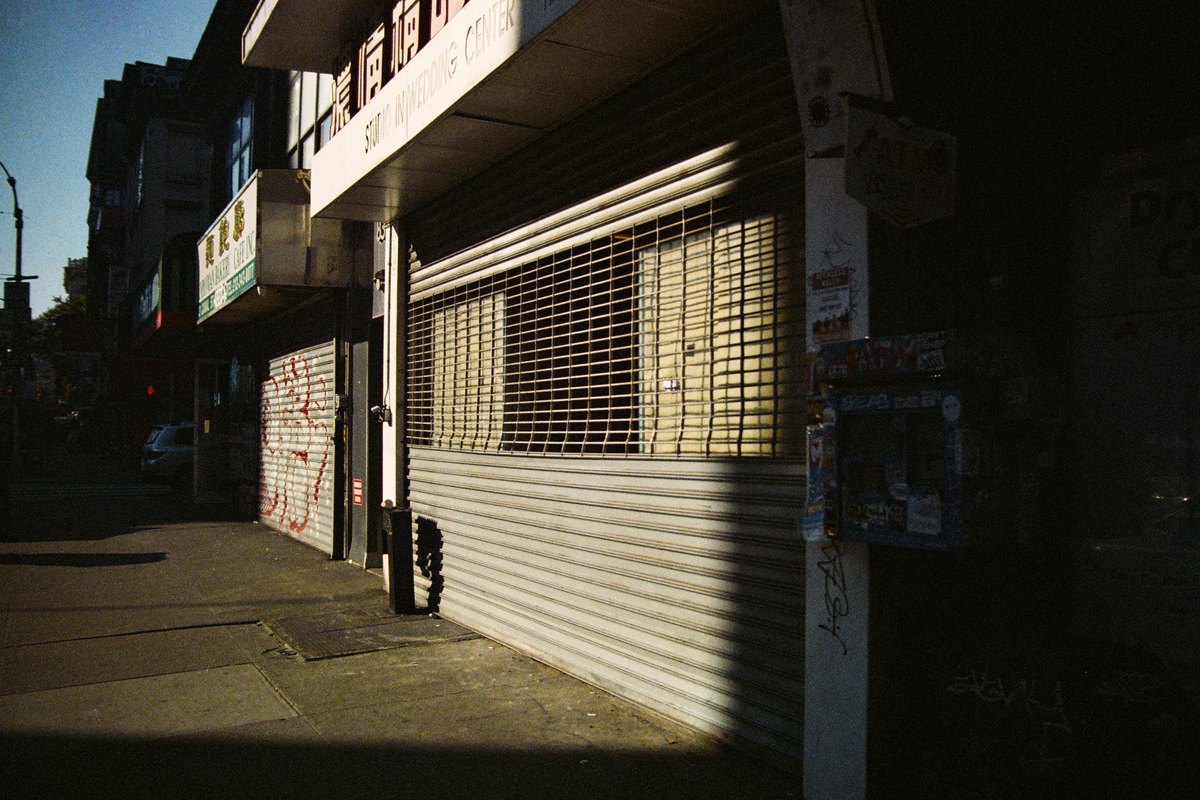
A horizontal-slat metal door that rolls down from a head box above the opening and locks at the threshold. Comes in solid metal, perforated metal, or open grille designs.
When closed, security is excellent. They resist forced entry, smash-and-grab, and hurricane debris. Solid-metal versions also give weather protection that beats any glass system. Upfront cost is lower than the equivalent glass-and-aluminum.
The trade is visibility. None when closed. Zero daylight when closed. They read as utilitarian or industrial when deployed. The roll-up motor and head box need maintenance, and the slats can dent and have to be swapped out.
JMD 250,000 to JMD 700,000 for a single-door-width manual shutter; add JMD 150,000 to 350,000 for motorised. Right answer for cash businesses (pharmacies, jewellers, electronics retailers), high-crime areas, after-hours security on otherwise glass storefronts, and warehouse and storage entries. More often used as a secondary security layer behind a glass storefront, rather than as a complete replacement.
Solid metal doors with windows
Steel or aluminum doors with small glass panels (vision lites) instead of full glass. Usually paired with a small storefront window beside the door rather than a full glass facade.
Strong security. Lower glass area means lower replacement cost when something breaks. Better insulation than full glass for energy-conscious spaces. Heavy and substantial-feeling.
The catch is what they say. Institutional or utilitarian. Customers cannot see inside before entering. Brand visibility is much lower than full glass.
JMD 200,000 to JMD 600,000 for the door with a vision lite, plus a separate window if you want one. Right answer for industrial spaces, warehouses, back-of-house service entries, office buildings where the main entry is somewhere else, government buildings. Wrong answer for retail or hospitality.
Wood doors with sidelight glass
Solid wood entry doors with glass sidelight panels. Common on heritage buildings, boutique-style commercial spaces, and high-end hospitality.
Warm, premium read. Customisable detailing (panels, mouldings, hardware). Reads as bespoke rather than off-the-shelf.
But wood does not love Jamaican humidity. It needs sealing and refinishing every two to four years. It is susceptible to termites, swelling, and warping. Significantly more maintenance than aluminum. Expensive relative to other options.
JMD 600,000 to JMD 2,500,000 for a quality hardwood door with sidelight glass and quality hardware, installed. Right answer for heritage buildings where wood matches the architectural language, and for high-end boutiques, restaurants, or hotels where the bespoke read justifies the maintenance burden. Not for high-traffic or low-maintenance contexts.
Curtain walls
Full-facade glazing systems where the glass-and-aluminum entry is part of a larger continuous glass facade. Common on modern office buildings, hospitals, and large-format retail.
Dramatic architectural read. Maximum daylight and visibility. Integrated thermal and weather performance. Often the design intent of the architect.
The catch is cost. Curtain walls run two to five times the cost of a standard storefront install per square foot of glass. Engineering and certification requirements are much heavier. Not appropriate for small commercial units.
JMD 80,000 to JMD 180,000 per square foot of curtain wall, installed. A typical small retail unit done as full curtain wall would cost JMD 3,000,000 to JMD 8,000,000. Right answer for large commercial buildings (5,000 square feet or more of facade), modern office towers, hospitals, airports, premium hospitality.
Hybrid (glass storefront with secondary roll-down)
The setup we recommend most often for security-conscious retail in Jamaica. Glass-and-aluminum storefront for daytime visibility and brand, with a separate roll-down shutter that deploys after hours for security.
Best of both. Glass storefront during business hours for visibility and customer experience. Hardened security at night without the risk of replacing glass after a break-in attempt. Insurance premiums on the storefront glass are typically lower with this arrangement.
The cost is two systems to maintain and the sum of both up-front. The roll-down head box adds a visual element above the storefront that some architectural designs do not want.
JMD 600,000 to JMD 2,000,000 combined, depending on glass and shutter spec. Right answer for most cash-heavy or high-value retail in Jamaican commercial areas. Pharmacies, jewellers, electronics retailers, mobile phone shops, watch dealers. The hybrid is genuinely the right answer more often than people realise.
What we usually recommend by use case
General retail in a low-to-moderate risk area: glass-and-aluminum storefront with quality commercial locks. Standard answer.
High-value retail (jewellery, electronics, phones, pharmacy): glass storefront with secondary roll-down shutter. The combination is the practical security answer.
Restaurant or cafe: glass-and-aluminum storefront, sometimes with sliding or folding panels for open-air operation. The glass is the brand.
Office building: glass storefront for the lobby, sometimes with solid metal service-entry doors at the back. Curtain wall if the building scale supports it.
Industrial or warehouse: roll-down metal door for the main bay, solid metal doors with vision lites for the personnel entry. Glass-and-aluminum is rarely the right call here.
Heritage building: wood-and-glass entry if the architectural language calls for it and the maintenance budget can carry it. Otherwise aluminum with profile and finish chosen to match the heritage feel.
Hospital, clinic, medical office: glass-and-aluminum with frosted or low-iron glass for privacy and clinical read. Automatic sliding for high-volume entries.
A simple decision framework
What is the security profile? High security points toward roll-down or hybrid; low security points toward straight glass-and-aluminum. What is the visibility requirement? Customer-facing retail wants maximum glass; industrial wants minimum glass. What is the maintenance tolerance? Aluminum is lowest maintenance, wood is highest, glass-and-aluminum hybrid is moderate. What is the brand read? Premium retail wants either glass or wood, industrial wants metal, service businesses are usually glass.
For most Jamaican commercial projects, glass-and-aluminum storefront (with or without a secondary roll-down shutter) is the right answer. The alternatives have specific contexts where they win, but for general retail, hospitality, office, and service work, the standard storefront is still standard for good reasons.
Related reading
- First-time buyer guide to storefronts
- Storefronts: frameless vs framed
- Sliding vs hinged storefront: which works better for your space?
For background on the engineering of large-format glazing systems, see the Wikipedia entry on curtain wall).
The next step
If you are weighing a glass-and-aluminum storefront against alternatives for a Jamaican commercial project, our team is happy to quote the realistic options for your specific space and security profile. We are not married to glass; if a roll-down shutter or hybrid setup is the right call, we will tell you and price it that way.
Request a quote with options, browse our commercial work, or contact our team to start the conversation.