

Storefronts in coastal Jamaican homes
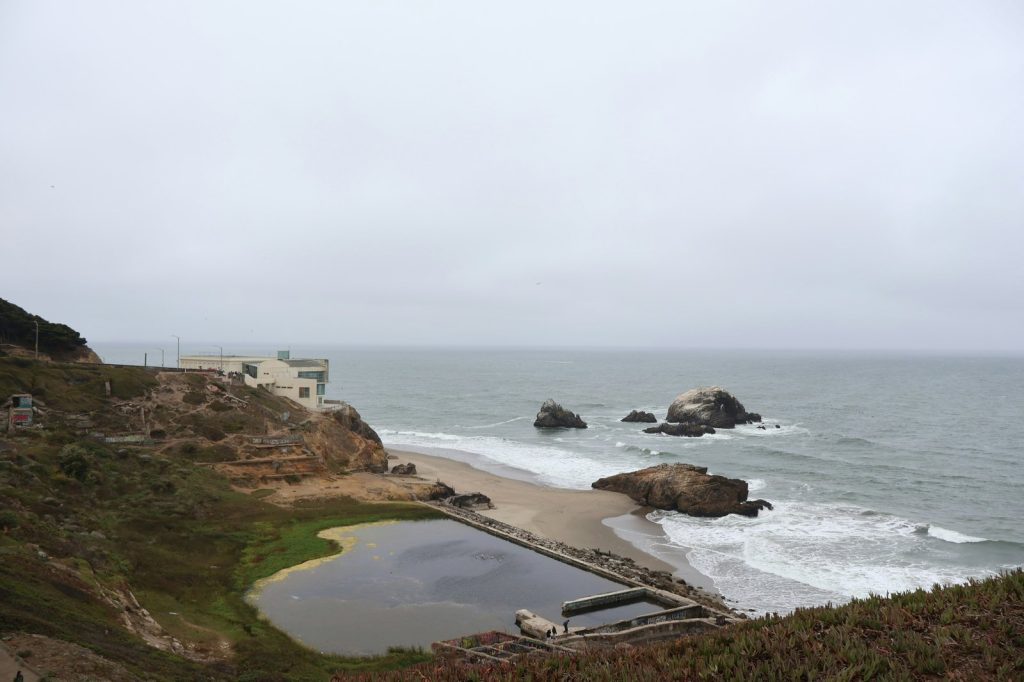
Coastal homes in Jamaica are spectacular places to live. They are also where storefront installs go to die when they are specced wrong. Salt-laden air, sea spray, UV, hurricane-grade wind, humidity in the 80 to 95 percent range year-round. All of it conspires against the materials that work fine inland.
The good news is that coastal spec for glass-and-aluminum storefronts is not a mystery. It is just stricter than inland spec, and you have to actually follow it. The bad news is that most failures we are called to fix on coastal storefronts come from installers who did not.
What “coastal” actually means in Jamaica
For storefront spec purposes, “coastal” means within roughly 1 kilometre of the coast, or within direct line-of-sight of breaking surf, or anywhere you can taste salt in the air on a normal day. By that definition, large parts of Negril, Ocho Rios, Treasure Beach, Portland, parts of Kingston Harbour, and most of the south coast resort areas qualify.
The closer the home is to the water, the stricter the spec. A home with the sea visible from the front door but a kilometre away can use the relaxed coastal spec. A home with waves breaking 50 feet from the wall needs the full coastal spec, no compromises.
Aluminum finish: anodised or AAMA 2605
Standard powder-coated aluminum (AAMA 2603 or below) fails coastal. The finish fades, chalks, and peels within three to five years. The aluminum underneath then starts to oxidise, leaving white pitting on the surface that no amount of cleaning will remove.
For coastal storefronts, the acceptable finishes are anodised aluminum (natural metallic finish) or AAMA 2605 powder-coat with 70 percent PVDF resin. AAMA 2604 is fine for inland coastal-adjacent installs but not for direct coastal exposure.
Cost premium for AAMA 2605 over 2603 is about 15 to 25 percent on the aluminum line item. That premium pays for itself the first time you would otherwise have repainted the framing at year six.
Hardware: 316 stainless steel
Standard steel rusts. Zinc-plated steel rusts. Chrome-plated steel rusts. 304 grade stainless rusts in coastal conditions, just more slowly.
316 grade stainless steel, with 2 to 3 percent molybdenum, is the grade that genuinely holds up coastal in Jamaica. Hinges, pivots, lock cylinders, handles, closers, screws, every fastener that touches air. If the spec sheet says “stainless steel” without specifying the grade, ask which one. If they cannot answer, walk away from that installer.
The premium for 316 over 304 is about 30 to 50 percent on hardware line items. Over zinc-plated steel, it is 100 to 200 percent. Either way, it is the right call coastal.
For impact-rated coastal installs, all visible and concealed hardware should be 316. The hidden anchors and brackets are often where corrosion starts, and you cannot see it until the install starts shifting in the frame.
Glass: laminated impact-rated
Most coastal Jamaican parishes are in hurricane-impact zones and require laminated impact-rated glass on any storefront or large opening. The Jamaican building code references US ASTM E1886 and E1996 standards for impact resistance, which most quality glass suppliers can certify to.
For typical coastal residential storefronts, half-inch laminated impact-rated glass with a structural polyvinyl butyral (PVB) interlayer is the standard call. For hospitality-grade and high-end residential work, three-quarter inch with a stiffer SentryGlas interlayer is worth the upgrade.
Beyond the impact rating, coastal glass benefits from a low-E coating to manage solar load and a UV-blocking interlayer to protect interior furnishings from fading. Both are standard upgrades that add modest cost.
Sealants and gaskets: UV-stable and salt-resistant
Standard silicone sealant degrades in coastal UV and salt within two to three years. The result is gaps in the sealing line, water ingress behind the frame, and accelerated corrosion of whatever hardware sits in that water.
Spec structural silicone rated for marine exposure (Dow Corning 795 or equivalent), and EPDM gaskets rather than standard neoprene. EPDM holds up better in UV and salt.
This is the kind of detail nobody asks about until the storefront starts leaking. By then, the repair involves removing and resetting the entire panel, which is far more expensive than getting the sealant right the first time.
Detailing: drainage, flashing, anchor protection
Coastal storefronts collect more water than inland equivalents (sea spray, salt-laden rain, condensation from humidity). The detailing needs to manage that water rather than trap it.
Every sill should have continuous drainage to the exterior with weep holes that actually weep (not blocked by gaskets or paint). The flashing behind the frame should be stainless steel or coated aluminum, lapping properly so water cannot get behind. Anchors should be 316 stainless, with isolation between the anchor and the aluminum frame to prevent galvanic corrosion.
None of this is exotic, but it is easy to skip. We have seen coastal installs where the original installer used regular galvanised steel anchors because “they were what was on the truck.” Five years later the anchors had rusted enough to start cracking the surrounding masonry. The repair was a complete reinstall.
Maintenance schedule: coastal homes need attention
Even properly specced coastal storefronts need more maintenance than inland equivalents.
Quarterly rinse with fresh water to remove salt buildup. A garden hose is fine. Pressure washing is unnecessary and can damage seals if done too aggressively. Pay particular attention to tracks, hardware, and seal lines.
Annual hardware inspection. Lubricate hinges and locks with marine-grade lubricant (Boeshield T-9 or similar). Check for pitting on stainless hardware (rare but possible in extreme conditions). Tighten loose fasteners.
Annual sealant inspection. Look for cracks, gaps, or chalking in the structural silicone. Touch up small defects before they become water ingress points.
Every three to five years, deep clean and re-treat. Strip salt deposits from the aluminum with a mild acid cleaner formulated for the purpose, neutralise, dry, re-apply protective coating where appropriate.
Most quality coastal installers offer a service contract for this maintenance. Worth budgeting for; it is much cheaper than catching up after years of neglect.
Cost framework for coastal storefronts
For a typical coastal Jamaican residential entry with proper spec, expect the following premiums over the inland equivalent. Aluminum framing in AAMA 2605 runs 15 to 25 percent over AAMA 2603 standard. 316 stainless hardware runs 30 to 50 percent over standard hardware. Laminated impact-rated glass runs 60 to 100 percent over standard tempered. Marine-grade sealants and EPDM gaskets are a small premium, usually built into the unit cost. Properly detailed drainage and stainless anchors are typically built into the labour cost rather than line-itemed separately.
Total: a properly specced coastal storefront costs roughly 40 to 70 percent more than the inland equivalent at the same size and design. The premium is real, and so are the consequences of skipping it.
The biggest mistake to avoid
Trying to save money on the hardware. Of all the coastal failures we have been called to fix, by far the most common is hardware that was not actually 316 stainless. The installer used 304, or zinc-plated, or in one memorable case unbranded “stainless-look” hardware from a Half-Way Tree hardware store.
Three years in, the hardware was visibly corroded. Five years in, it was failing structurally. Seven years in, the entire install needed replacement because the corrosion had spread into the aluminum framing through galvanic action.
The original saving was about JMD 80,000 on a JMD 1.2 million install. The replacement cost JMD 2 million.
Get the hardware right. Everything else is recoverable. Corroded hardware in coastal aluminum is not.
Related reading
- Storefronts for hillside Jamaican homes
- How long do storefronts last in coastal Jamaican homes?
- Storefronts design ideas for modern Jamaican homes
For background on the standards that govern coastal-grade aluminum finishes, see the Wikipedia entry on galvanic corrosion.
The next step
If you are planning a coastal Jamaican home or replacing a corroded storefront on an existing coastal property, our team is happy to put together a proper coastal spec for your project. We can also assess existing installs and tell you honestly whether they are worth maintaining or whether replacement is the more economical answer.
Request a coastal site visit, browse our coastal work, or get a quote to start.