


Why glass railings fail and how to prevent it
Glass railings have a reputation for being fragile and unreliable that they do not really deserve. A properly specced and installed railing in Jamaica should run 20 to 30 years with basic maintenance. The reputation exists because when these systems fail, they fail dramatically, and almost every dramatic failure traces back to one of a small set of avoidable causes.
What follows are the failure modes we see on Jamaican glass railing installs, what is actually behind each one, and how to head it off before it becomes a repair bill or something worse.
The most common failure: hardware corrosion
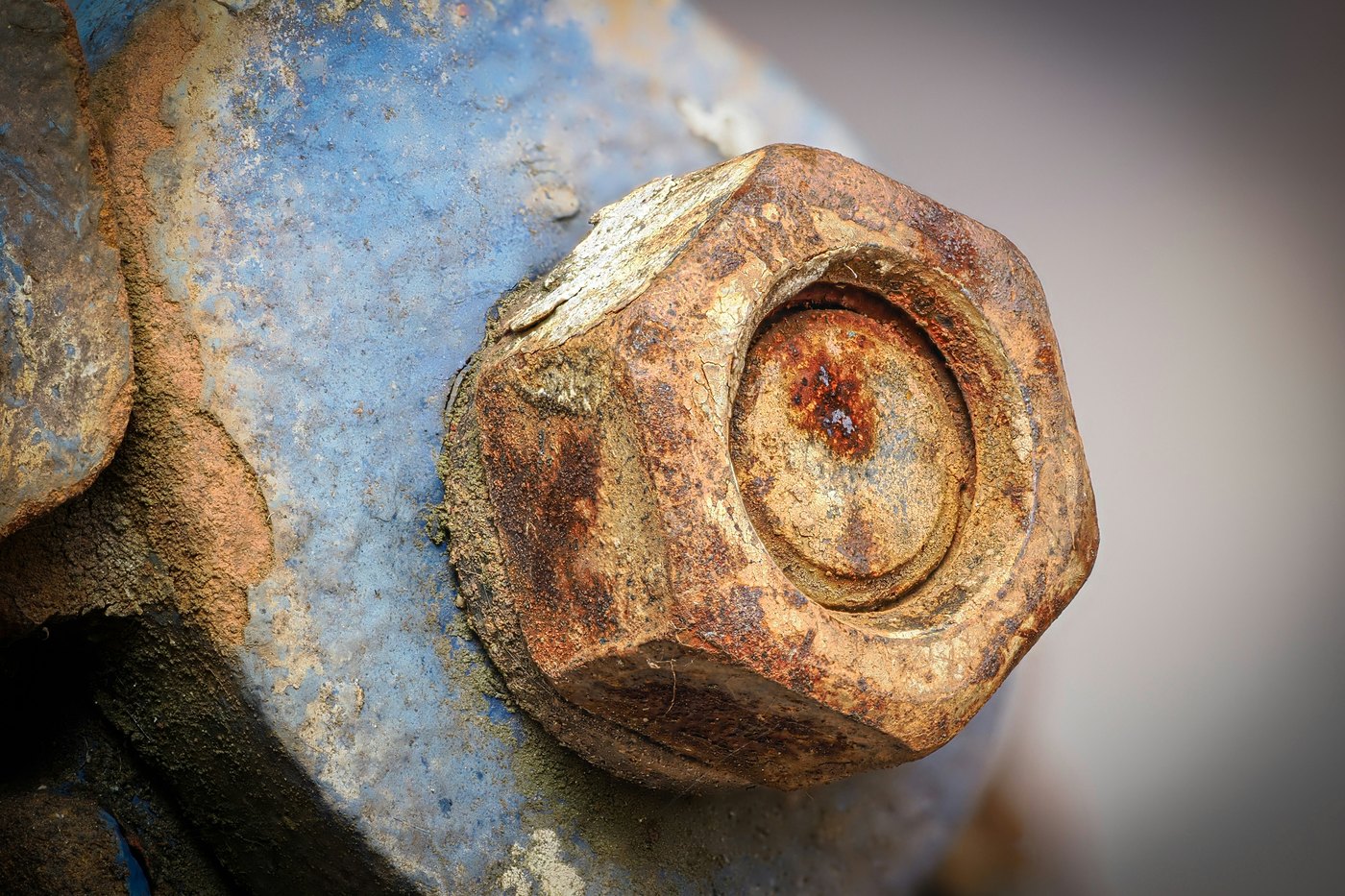
By a wide margin, the number one cause of glass railing failure on the Jamaican coast. The glass is usually fine. The aluminum is usually fine. The hardware holding everything together rusts, pits, and eventually fails.
The mechanism is straightforward. Salt air carries chloride ions that attack steel at the molecular level. Standard 304 stainless is reasonably resistant to general corrosion but vulnerable to chloride pitting. 316 stainless contains molybdenum, which makes it much more chloride-resistant, and is what should be on every coastal install.
When the wrong grade gets specced, the timeline tends to play out like this. Visible rust spots on hardware around year 3 to 5. Pitting (small craters) on the hardware surface by year 5 to 7. Hardware that has gone loose because the pitting has weakened the structural cross-section by year 7 to 10. Worst case, a panel detaches at year 8 or 9 because the corroded hardware can no longer carry the load. This is not theoretical. It has happened on plenty of jobs in Jamaica that were built with the wrong grade because nobody asked the question.
Preventing it is easy. Spec 316 stainless on any install within roughly 1 mile of salt water. The premium over 304 is 20 to 35 percent on the hardware line, which is trivial against the cost of replacing corroded hardware and re-installing panels seven years in.
Inland installs can use 304 stainless safely. Chloride exposure is much lower and 304 holds up for 20 to 30 years inland.
Sealant failure
Sealants are what keep water out of the joints between glass, hardware, and structure. When they fail, water gets where it should not. Concrete behind the railing starts to spall. Hardware corrodes from behind, where you cannot see it until it is too late. Structural anchors lose their grip on the substrate.
The usual failure modes: wrong sealant specced (standard silicone breaks down in coastal UV and humidity inside 5 to 7 years, marine-grade structural silicone runs 10 to 20); poor application (sealant on dirty or damp surfaces does not bond, sealant applied too thin cracks in a season); lack of inspection (joints need a visual check during each cleaning, cracks caught early are cheap to fix, cracks ignored let water destroy the structure behind the railing).
The fix is the same on every coastal job: marine-grade structural silicone (Dow Corning 795, Sika Sikasil, Bostik silicones). Standard structural silicone is acceptable inland. Visual joint inspection at every cleaning. Any crack replaced promptly.
Anchor failure
The mechanical connection between the railing and the structure. Easy to gloss over in a quote, completely critical to the railing actually staying upright.
What we see go wrong here. Anchor specced for the wrong substrate, where a concrete anchor used in a hollow block wall (or the other way round) cannot develop the design load it was rated for. Anchor specced for the wrong load case, where the rating was for static load only and the install ends up taking dynamic load from people leaning on the rail. Cheap anchors from unknown suppliers, which have wildly inconsistent strength and corrosion resistance compared to brand-name (Hilti, Simpson) anchors that cost more for actual reasons. Wrong torque at install: too tight damages the substrate, too loose fails to engage the full design capacity. Substrate that is just not adequate to begin with, where the install ends up loading a thin concrete slab, a brittle masonry wall, or a fascia board without proper blocking and the substrate fails before the hardware does.
Preventing the lot: brand-name anchors with documented load ratings, anchor type matched to the substrate, torque verified during install, substrate inspected before mobilising. Where the substrate is questionable, address it before the install, not after.
Glass impact damage
Tempered glass is strong across its face and surprisingly fragile at its edges. A single sharp impact on an edge can shatter the panel immediately or, more commonly, start a slow crack that propagates over weeks or months.
The usual causes. Mishandling during install: drop a panel even a short distance onto a hard surface and you can crack the edge invisibly. The panel passes install-day inspection and shatters six weeks later. Hardware over-tightening: clamps or fittings tightened too hard put sustained stress on the edge, and tempered glass under sustained edge stress can fail without warning. Direct metal-to-glass contact at any connection between hardware and glass, which concentrates stress and cracks glass. Post-install impact: the edge of the panel hit by a heavy object during furniture moves, nearby construction, anything that swings.
Most of this is preventable on the installer side: trained crews who handle glass with the right equipment (suction cups, lifting frames for larger panels) and never set panels directly on hard surfaces, calibrated torque tools for the hardware, and manufacturer-spec gaskets and spacers always used between glass and hardware. On the owner side: respect the edges after install. Do not lean tools or furniture against them.
Thermal stress fracture
Less common in Jamaica because the temperature range is moderate, but still on the list. Glass expands and contracts with temperature change. When the glass is held tightly by hardware with no room to move, the stress builds up and can reach failure point.
The classic triggers: hardware mounted with no thermal expansion gap (glass needs a small amount of room to expand into and a tight fit creates compression stress), direct sun on part of a panel while another part stays shaded (differential expansion across the panel can crack it), cool water hitting hot glass (rain, hose, sprinkler producing thermal shock).
Avoiding it is mainly an install detail: proper expansion gaps per manufacturer spec, tempered glass (much more thermally resistant than annealed), and avoiding permanent shade patterns that create persistent differential heating on a single panel.
Structural deflection
The railing itself can be fine and the structure it is mounted to can still move. A balcony slab that flexes under occupancy load, a fascia that bows in heavy wind, a deck that twists when people gather. All of those transfer movement into the railing, and over time the movement loosens anchors and stresses sealant joints.
The causes are mostly about what is behind the mounting surface. Inadequate structure, where a railing rated for 200 lb/ft horizontal load is anchored to something that cannot actually deliver that load back. Hidden structural damage in older Jamaican homes, where concrete spalling, corroded rebar, or deteriorating fascia look fine but cannot carry the railing load over time. Insufficient blocking on a deck rim joist, where the hardware transfers load into whatever is behind the surface, and if that is unblocked wood, the load lands somewhere it was not designed to go.
Prevention here is structural assessment before quote on older buildings or wherever the substrate is unclear, proper blocking on any deck or fascia install, and matching the railing system to what the structure can actually carry.
Warning signs to watch for
Things you can check during normal cleaning that catch problems early.
Visible rust spots on hardware, even small ones, indicate wrong grade or a defect.
Loose hardware that wiggles when you touch it is anchor or hardware failure in progress.
Cracked sealant joints mean water ingress is already happening.
A panel that flexes more than the others when pushed gently points to an anchor or structure issue.
Visible glass edge damage (chips, small cracks) is a pre-failure indication on tempered glass.
White residue around hardware on a coastal install is salt accumulation that needs more aggressive cleaning.
Discoloured aluminum finish is a cleaning chemistry issue or marine corrosion in progress.
Any of those warrants a closer look. Most can be addressed cheaply if caught early.
What to do if you spot something
Practical guidelines depending on what you find.
Anything safety-related (loose panel, hardware failure, visible structural movement): call the installer immediately. Do not wait. Block off access to the area if you can.
Cosmetic only (small finish issue, minor sealant crack): note it, photograph it, mention it at next maintenance contact or warranty review.
Within the warranty period: report to the installer and let them assess. Workmanship-related issues should be fixed at no cost.
Outside the warranty period: paid service call. Still cheaper to address early than to wait for the failure to compound into a bigger one.
If you are unsure: ask. Most installers, us included, will give an honest read on whether something genuinely needs immediate attention or can wait until the next service visit.
A short list of habits that prevent most failures
Most glass railing failures are preventable with a small number of decisions at install and a small amount of attention after.
At install: 316 stainless on the coast, marine-grade sealants on the coast, brand-name anchors with documented load ratings, manufacturer-spec gaskets between hardware and glass, installers who actually use calibrated torque tools rather than eyeballing it.
After install: visual inspection during each cleaning, immediate flagging of anything that looks off, deeper sealant inspection at year three and year ten on coastal installs.
Twenty minutes a month and a careful spec at install. That is the actual recipe for a 20 to 30 year railing instead of a 7 to 10 year one. The interesting bit is how cheap it is, and how often clients still skip the careful spec to save 5 percent of the install cost.
Related reading
- How to clean glass railings without damaging the finish
- How a one-year workmanship warranty works on glass railings
- Storefronts and salt-air corrosion: the real story
For background on the structural properties of tempered glass and why edges are the weak point, see the Wikipedia entry on tempered glass.
The next step
If you have a glass railing showing any of the warning signs covered here, or you are planning a new install and want it specced to avoid the failure modes we have seen on other people’s work, our team is happy to do an assessment or quote. Honest answers without sales pressure.
Request an inspection or quote, browse our work, or get a quote online to start.