

Glass railings: frameless vs framed
The choice between frameless and framed glass railings is one of the most common questions we get on residential projects. Both produce safe, code-compliant railings. Both come in similar price brackets depending on the spec. But they look different from across the room, install differently, age differently, and suit different homes. The trade-offs are real and worth understanding before you commit.
Here is a direct comparison for Jamaican projects.
The basic difference
Framed glass railing has an aluminum (or sometimes steel) frame surrounding the glass on all sides. The glass slots into channels in the frame, and the frame carries most of the structural load. The glass panels are essentially infill held by the frame around them.
Frameless glass railing has no surrounding frame. The panels are held by hardware at the bottom edge only (spigot or channel mount) or at the sides (standoff mount). The glass itself carries the structural load.
That single difference cascades into almost everything else. Cost. Look. Hardware count. Install complexity. Maintenance. Lifespan. Where each one fits best.
What framed gets you
The classic option for residential glass railings, and still the most common choice on multi-unit and budget-conscious work.
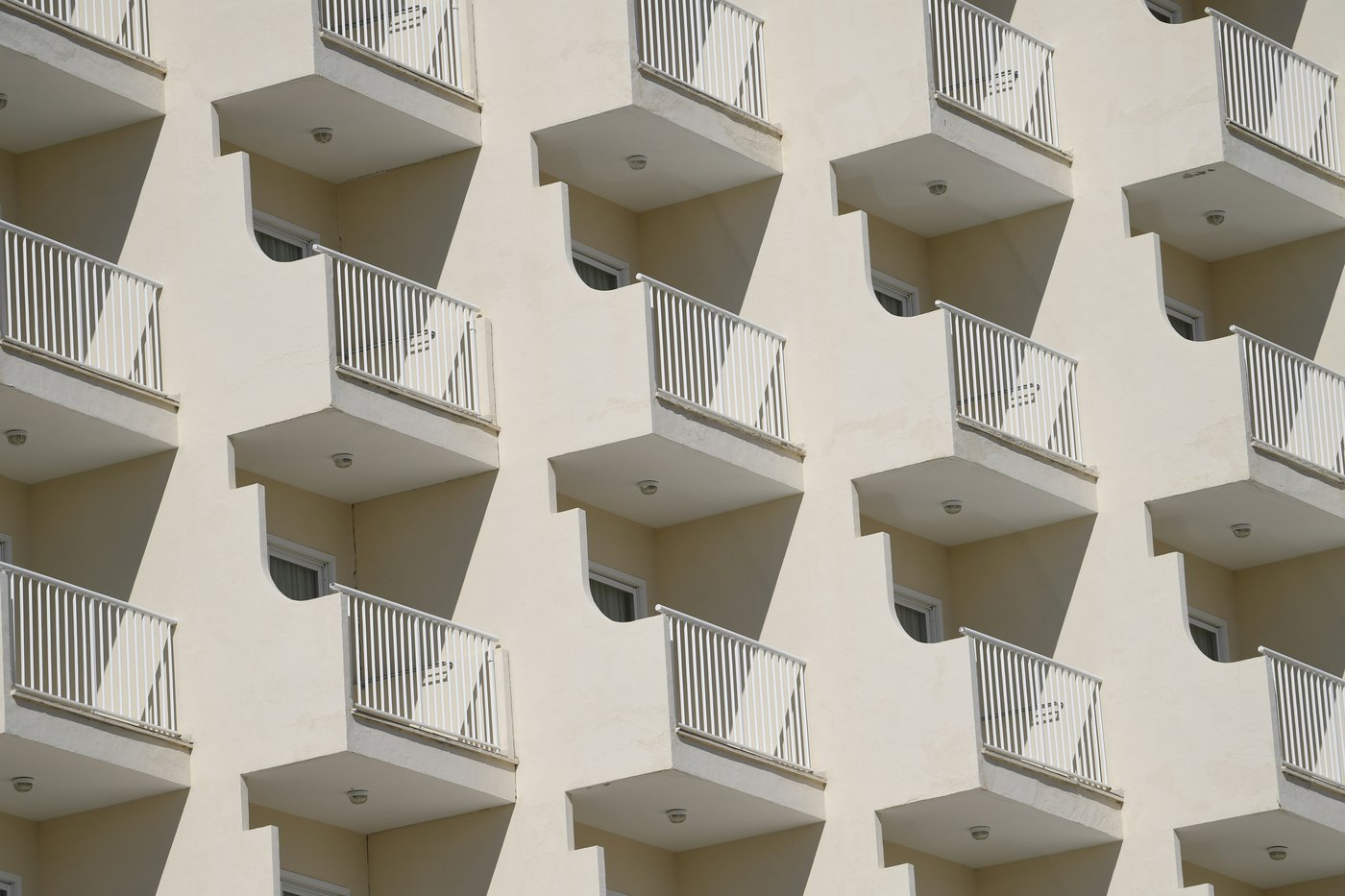
Visually, framed has a clearly defined aluminum frame around each panel. The frame is visible from every angle, and depending on the colour you choose (black, white, bronze) it reads as either an architectural feature or as visual interruption.
The cost runs JMD 18,000 to 28,000 per linear foot installed for residential, lower than frameless because the glass is thinner (half inch tempered is the standard) and the hardware is simpler. Glass thickness is usually half inch tempered, sometimes 5/8 inch on premium framed work.
Hardware visibility is high. The frame is visible, the posts are visible, every junction is visible.
Install complexity is lower than frameless because the frame is forgiving on slight misalignments. The glass sits in adjustable channels, so a millimetre out of true gets absorbed by the system rather than showing up as a visible problem.
Lifespan is similar to frameless when properly specced, around 20 to 30 years. The frame is one more component that can age, but with an AAMA 2604 or 2605 finish and proper sealants it holds up well.
Maintenance is slightly more demanding than frameless because the frame has more surfaces to clean and more joints to inspect.
What frameless gets you
The modern look. The premium choice. The option that lets the view through with minimum visual interruption.
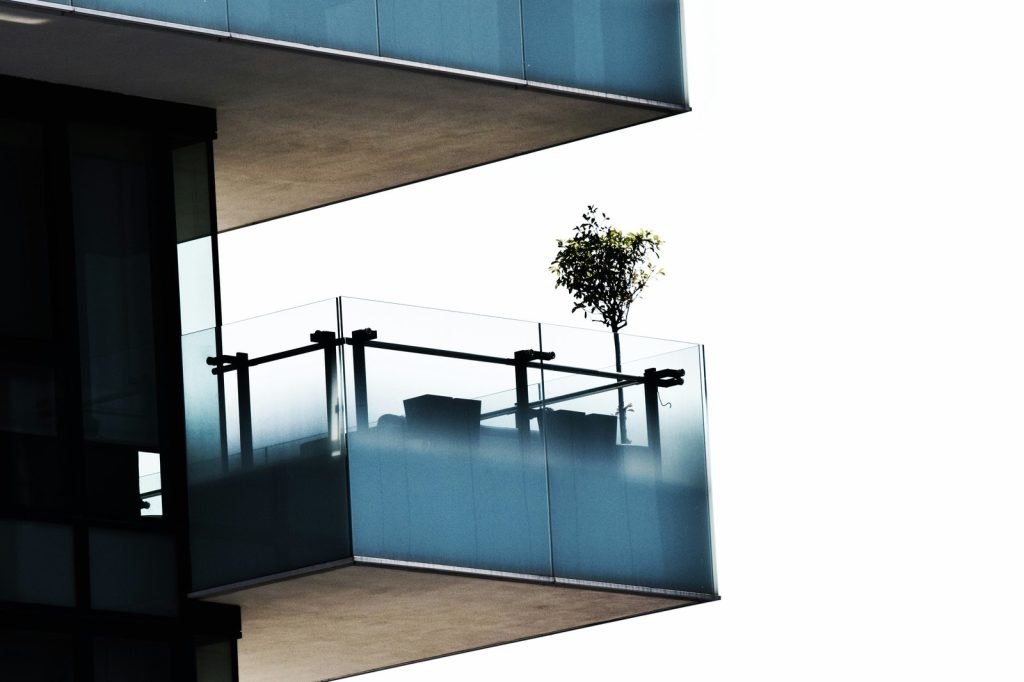
Visually, frameless is clean, minimal, glass-only. Hardware is small and lives either at the bottom (spigot, channel) or the side (standoff). No frame surrounding each panel anywhere.
The cost runs JMD 32,000 to 75,000 per linear foot installed for residential, depending on the specific frameless system. Spigot is the budget option, channel-mount is the premium. Higher than framed because the glass is thicker (3/4 inch tempered is typical) and the hardware is specialised.
Glass thickness is usually 3/4 inch tempered for spigot or channel-mount, 5/8 inch for standoff. Tempered laminated may be required for elevated balconies depending on code.
Hardware visibility is low. Spigot posts at the base are visible but small. Channel-mount has almost no visible hardware at all.
Install complexity is higher than framed. Frameless needs precise alignment, careful glass handling, and proper torque on every hardware point. Less forgiving of small install errors than framed.
Lifespan runs 20 to 30 years with proper spec. Glass and hardware do all the work, with no separate frame to age. On coastal installs the smaller number of components means fewer joints to maintain over the long haul.
Maintenance is slightly easier than framed because the surfaces are mostly glass (easy to clean) and there are fewer joints to inspect.
When framed is the right call
A few situations where framed is genuinely the better choice on Jamaican projects.
Budget-constrained residential. If the project has to come in under JMD 600,000 for a typical balcony, framed is the realistic answer. Frameless on the same balcony starts noticeably higher.
Multi-unit residential where consistency matters. Framed systems install identically across many units. Frameless requires more individual attention per install and produces small per-unit variations.
Traditional or Caribbean colonial architecture where the modern frameless look would feel out of place. White or bronze framed railings usually suit these homes better.
Family homes with small children where parents feel reassured by a visible frame structure, even though frameless is equally safe when properly specced. Reassurance is its own argument.
Renovations of existing homes where the existing aluminum doors and windows already define a colour palette and the railing should match the rest rather than contrast with it.
Sites with difficult install conditions (poor substrate, irregular geometry, tight access). Framed is more forgiving of those conditions than frameless is.
When frameless is the right call
A few situations where frameless is genuinely the better choice.
Modern or contemporary architecture where the design language wants minimum visual interruption between the inside and the view.
Premium views (ocean, garden, hillside) where the railing should disappear visually and let the view do the work.
Pool surrounds where the frameless look reads as a continuous water-to-deck visual rather than breaking the pool away from its surroundings.
Prestige residential or commercial work where the design bar is high enough that the premium spec is appropriate.
Coastal installs where the smaller number of components means fewer things to maintain over the 20+ year lifespan.
Sites where the architect or designer has specifically chosen the frameless aesthetic and the budget actually supports it.
A few common comparison points
Things that come up regularly when clients are deciding between the two.
Safety. Both are equally safe when properly specced. Framed has a more visible support structure that some clients find reassuring; frameless uses thicker glass that handles the load through its own strength. Code compliance is achievable with either.
Privacy. Both are equally transparent if both use clear glass. Frosted or tinted glass works in either system without changing the calculation.
Wind load. Frameless with thicker glass actually handles wind loads slightly better than framed with thinner glass, because the glass itself is doing more of the structural work. Both meet wind code for residential applications.
Resale value. In current Jamaican residential markets, frameless adds modest perceived value (it reads as a high-end finish to buyers). Framed is neutral; it does not detract but it does not stand out as a premium feature either.
Replacement cost. Frameless panel replacement at year 15 to 20 can get tricky if the original hardware spec is no longer in production. Framed panel replacement is easier because the frame components stay widely available for longer.
Hurricane resistance. Both can be specced to meet hurricane wind ratings. Framed with laminated glass is often the choice on hurricane-prone exposed installs because the frame contains the broken glass in a worst-case scenario, which matters more than aesthetics on south coast and exposed eastern parish work.
A simple decision framework
For most Jamaican residential glass railing projects, the framed-vs-frameless decision falls out of a handful of questions.
What is the architectural style of the home? Modern or contemporary leans frameless. Traditional, Caribbean colonial, or Mediterranean leans framed (often white).
What is the budget per linear foot? Under JMD 25,000 means framed only. JMD 25,000 to 35,000 means either, with framed offering more visual options at the price point. Above JMD 35,000 means frameless becomes the realistic choice if you want the modern look.
Is the view the priority, or is the railing meant to be a deliberate visual element? View priority leans frameless. Deliberate visual element leans framed.
Coastal or inland? Both work for both, but on serious coastal premium work frameless requires fewer maintenance touches over the lifespan.
Renovation or new build? Renovation often leans framed (matches existing aluminum elements). New build leans frameless if the design intent is modern.
The short version: framed for budget and traditional aesthetics, frameless for premium and modern. Either is the right call when properly specced for the application.
A short summary
Framed is the affordable, forgiving, familiar option that suits most multi-unit residential, budget-conscious work, traditional homes, and renovations of existing properties. Frameless is the premium, modern, view-maximising option that suits contemporary architecture, premium views, prestige work, and coastal sites where minimal maintenance over decades is genuinely worth paying for.
Both produce safe, durable railings when specced correctly. The choice between them is mostly aesthetic and budget, with secondary effects on install complexity and maintenance. Neither is universally better. The right one for your project is whichever one fits your architecture, your budget, and your tolerance for maintenance over the next two or three decades.
Related reading
- What does a glass railing installation cost in Jamaica?
- Hardware choices for glass railings: handles, hinges and locks
- Custom vs standard glass railings: which fits your home?
For background on how glass railings are engineered for structural loads, see the Wikipedia entry on guard rail.
The next step
If you are weighing framed vs frameless for a glass railing project in Jamaica, our team is happy to walk through how each would look and cost on your specific site. We do both, we have no preference between them, and we will recommend whichever one actually fits your project rather than the more expensive one.
Request a comparison consultation, browse our work, or get a quote on a new install to start.