

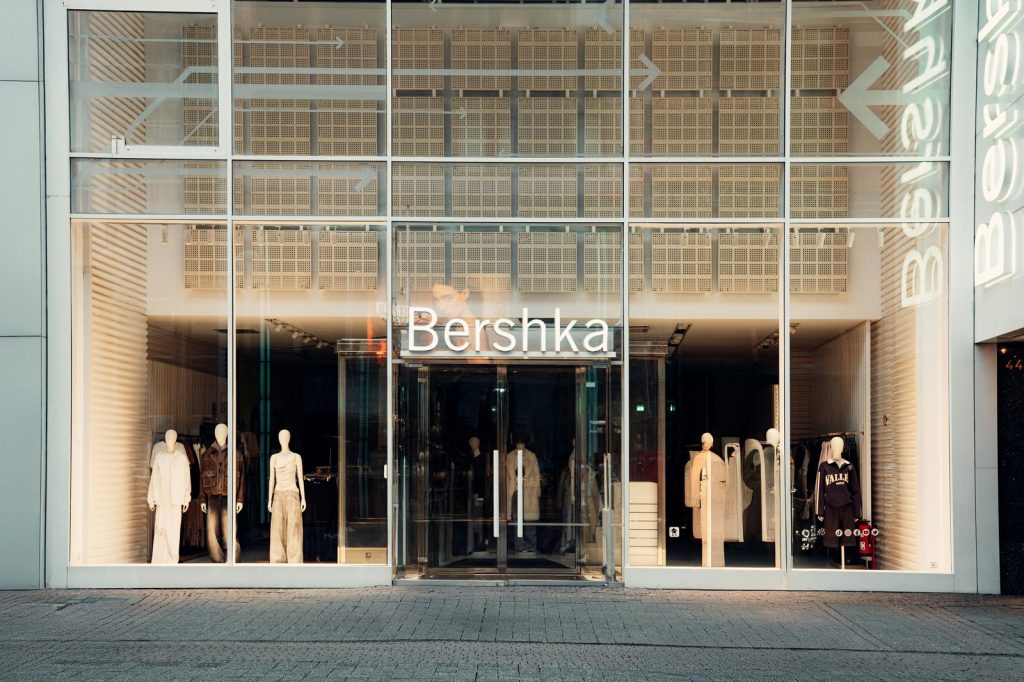
Glass type guide for storefronts: clear, frosted, tinted, tempered, laminated
Glass shows up in two different ways on a storefront spec sheet. There are the safety processes (tempered or laminated), which are about how the glass behaves under stress. And there are the visual finishes (clear, low-iron, frosted, tinted, reflective), which are about how the glass looks and what it does to the light.
The two categories are not mutually exclusive. Almost every storefront glass in Jamaica is one of the safety processes and one of the visual finishes. A panel can be “tempered low-iron” or “laminated frosted” or any other combination.
Here is the plain-English guide to what each option is, what it costs, and where it makes sense on a Jamaican commercial storefront.
The safety processes
Two main options. Pick one per panel.
Tempered safety glass is heat-treated to about four times the strength of standard annealed glass. When it does break, it shatters into thousands of small granular pieces that are far less likely to cause serious injury than the jagged shards of annealed glass. It is the default for almost every storefront panel in Jamaica. Required by code in doors and within 24 inches of door edges.
Laminated safety glass is two layers of glass with a plastic interlayer (usually polyvinyl butyral) bonded between them. When it breaks, the interlayer holds the pieces in place rather than letting them fall. It is harder to break than tempered, because the impact has to get through two layers and the film. It also blocks UV light. Common applications include security-sensitive locations, hurricane-impact installs, and any glass where post-break containment matters (overhead glazing, glass near heavy traffic).
Cost difference: laminated typically runs 25 to 40 percent more than tempered at the same thickness. For impact-rated laminated (hurricane spec), the premium can be 60 to 100 percent.
The visual finishes
These determine how the glass looks. Each can be applied to either tempered or laminated.
Standard clear glass is the default. Inexpensive, transparent, slightly green in tone (because of the iron content in normal float glass). Suitable for almost any retail unit where the goal is to see in and out.
Low-iron (ultra-clear) glass is standard clear glass with the iron content reduced or removed. The result is significantly more transparent and has no green tint. It is the right answer for retail where colour fidelity matters (jewellery, electronics, cosmetics, art galleries) and for any panel where the glass itself should disappear visually. Cost premium is typically 30 to 50 percent over standard clear.
Tinted glass has a colour added during manufacture (bronze, grey, green, blue). The tint reduces light transmission and heat gain. Common on commercial buildings to reduce cooling load on air-conditioned interiors. Cost premium is typically 15 to 25 percent over standard clear.
Reflective glass has a thin metallic coating that reflects more light than it transmits. It reduces heat gain and provides one-way visibility (from the brighter side, the glass looks reflective; from the darker side, it is fairly transparent). Useful for hot-facing storefronts but reads as more corporate or institutional, which may or may not match the brand. Cost premium is typically 40 to 70 percent.
Low-E (low-emissivity) coating is a microscopic metallic coating that reflects infrared heat while letting visible light through. It is invisible to the naked eye. It reduces heat gain in air-conditioned spaces significantly. Cost premium is typically 25 to 40 percent. Combines well with tinted for compound energy savings.
Frosted glass is a permanent surface treatment (acid-etched or sandblasted) that scatters light to give privacy while still passing daylight. It is opaque in the sense that you cannot see detail through it, but light still comes through. Common in spas, healthcare, legal offices, and any storefront where privacy is wanted but daylight is desirable. Cost premium is typically 20 to 35 percent.
Decorative or pattern glass has a textured surface or printed design. The patterns range from subtle (linen, pinstripe) to bold (geometric, custom logo). Used for branding, partition design, or visual interest. Cost premium varies wildly depending on the design, from 25 percent to over 200 percent for custom artwork.
Smart glass (electrochromic or PDLC) switches between clear and opaque on demand. We have covered it in our separate article on smart shower enclosures. For storefronts, it is rare because of the cost (typically 5 to 10 times standard tempered) and the maintenance issues.
Common combinations
A few combinations we install often on Jamaican commercial projects.
Standard tempered clear is the workhorse. About 70 percent of the retail storefront panels we install. Suitable for any general retail unit on an inland location.
Tempered tinted is the second most common, for storefronts on west-facing or south-facing facades where afternoon heat gain matters. Bronze tint is the traditional Jamaican commercial choice. Grey is more modern.
Tempered low-iron is the premium retail spec, for high-end boutiques, jewellery stores, art galleries, and anywhere the inventory’s true colour matters.
Laminated impact-rated is the coastal spec. Required for storefronts in hurricane wind zones with impact requirements. Half-inch laminated with a structural interlayer is the standard call.
Tempered frosted on partition panels is common in mixed-use storefronts that want to separate retail from back-of-house with daylight but no sightline. Often paired with clear tempered on the street-facing panels.
Tempered with low-E coating goes on air-conditioned units of any kind. The cooling savings usually justify the premium within two to three years of operating costs.
Cost summary for a typical Jamaican storefront
For comparison, here are rough material cost ratios. Standard tempered clear is the baseline at 100 percent.
Tempered clear: 100 percent.
Tempered tinted: 115 to 125 percent.
Tempered low-iron: 130 to 150 percent.
Tempered with low-E coating: 125 to 140 percent.
Tempered frosted: 120 to 135 percent.
Tempered reflective: 140 to 170 percent.
Laminated clear: 125 to 140 percent.
Laminated impact-rated (hurricane): 160 to 200 percent.
Decorative or pattern glass: 125 to 300 percent depending on design complexity.
Glass is roughly 25 to 35 percent of the total storefront cost, so a 50 percent upgrade on the glass spec translates to about a 12 to 17 percent uplift on the total project. Worth modelling for any project where the glass spec is part of the design intent.
What we recommend by use case
A few rules of thumb for common Jamaican project types.
For a general retail unit on an inland street, tempered clear is fine. Use tinted if the unit is air-conditioned and faces afternoon sun.
For a high-end boutique, jewellery store, or art gallery, tempered low-iron on the display panels and tempered clear elsewhere. The colour fidelity is worth the premium where the product matters.
For a spa, healthcare clinic, or legal office, tempered frosted on the panels facing public space (street, lobby, waiting area), and tempered clear on interior panels and on small windows above eye level. The privacy is the point.
For any coastal commercial unit, laminated impact-rated glass on all primary panels. Adds cost but is the only way to meet hurricane code and protect the install through serious storms.
For an air-conditioned office or retail space on a sun-exposed facade, tempered with low-E coating, often combined with light tinting. The cooling-cost savings make this almost free over a five-year horizon.
For a hospitality entry where the storefront is part of the brand, low-iron tempered with custom decorative film or printed pattern, depending on the look. Treat the glass as a brand surface.
What to ask your installer
Three questions that should be answered for every panel on the quote.
What is the safety process (tempered or laminated)?
What is the visual finish (clear, low-iron, tinted, frosted, low-E, reflective)?
Why is this the right combination for this panel position?
An installer who can answer these without hesitation is engaging with the actual design. An installer who just says “the usual” is not.
Related reading
- How to choose the right glass thickness for storefronts
- Aluminum finish options for storefronts: black, white, bronze, natural
- Hardware choices for storefronts: handles, hinges and locks
For background on the float glass manufacturing process underlying most of these options, see the Wikipedia entry on float glass.
The next step
If you are speccing glass for a storefront in Jamaica and you would like to compare the realistic options side by side, our team can bring physical samples of the main types to the site visit. Glass is one of those decisions where seeing the actual material in your light makes the choice much easier.
Request a quote with samples, browse our commercial work, or get in touch to talk through the glass options for your project.