

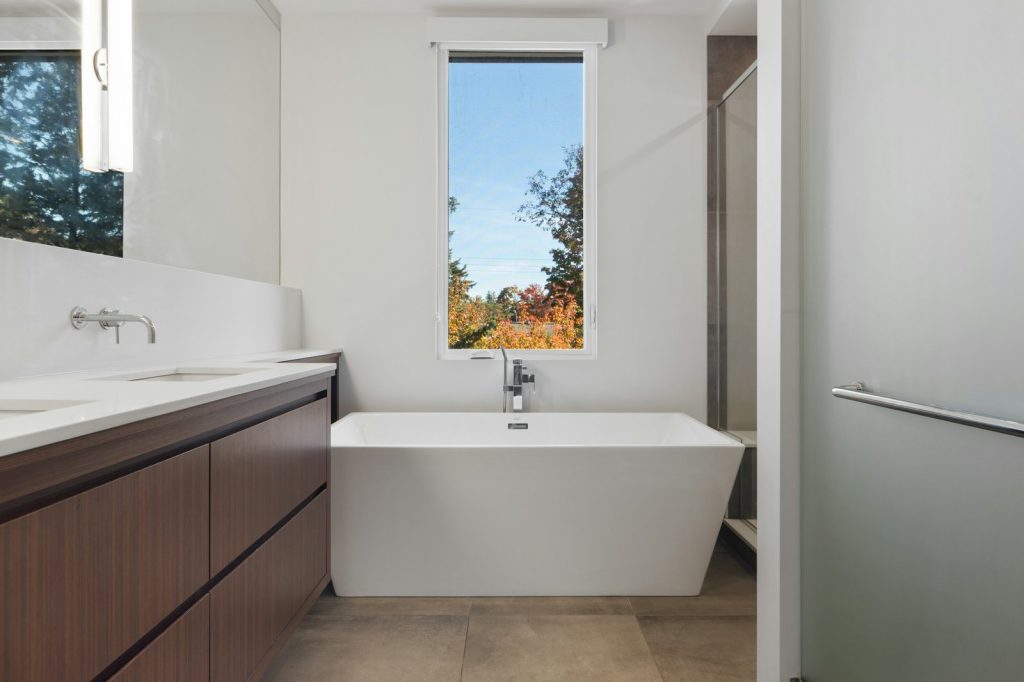
When a quote lists “1/4 inch tempered” for a sliding window, two separate decisions are baked into that one line. The thickness (1/4 inch) is a structural choice we cover separately. The type (tempered, in this case) is a different conversation about what the glass actually does once installed: lets light through, blocks visibility, holds together when struck, reduces noise, or some combination.
Sliding window glass types come in five common forms in Jamaica. Each suits different rooms, exposures, and use cases. Here is the breakdown we walk through on site.
Clear glass
Standard clear float glass is the default. It transmits about 90 percent of visible light, has no colour cast, and gives the unobstructed view that most living rooms, bedrooms, and home offices want.
Clear is the right answer for most openings in a residential property. It is the most affordable type per square foot. It works with any frame finish and any architecture.
The reasons not to choose clear:
- Privacy concerns (bathrooms, street-facing ground floor, neighbour-adjacent walls)
- Excessive solar gain on west or southwest elevations
- Safety code requirements that mandate tempered or laminated regardless of visibility preference
For most other situations, clear is correct and adding anything else is a choice driven by a specific need.
Tinted glass
Tinted glass has a colour additive built into the float glass itself during manufacturing, giving it a bronze, grey, blue, or green cast and reducing visible light transmission. Common tints in Jamaica are bronze (warm), grey (neutral), and blue-grey (cooler).
The functional benefit is heat and glare reduction. A bronze-tinted west-facing window can cut afternoon heat gain by 20 to 40 percent compared to clear glass of the same thickness. In a country where afternoon sun on a west wall is a real comfort issue, that matters.
The trade-off is that everything you see through tinted glass picks up the tint colour, which some people find pleasant (bronze gives a warm cast on the view) and some find distracting (grey can flatten outdoor colours). The interior view does not change much because you are looking through one glass layer.
Tinted glass is most often specified on:
- Bedrooms on the west or southwest elevations
- Living rooms with afternoon sun
- Home offices where screen glare is a problem
- Any opening where heat gain is a documented issue
The cost premium over clear is modest (typically 10 to 20 percent).
Frosted or obscure glass
Frosted glass (also called obscure glass) is opaque enough to block visibility while still letting light through. It comes in several patterns and production methods:
- Acid-etched frosted: smooth on one side, frosted on the other, very even diffusion
- Sandblasted frosted: similar effect with slightly more textured surface
- Patterned obscure: rolled or pressed during manufacturing to produce a decorative texture
- Frosted film applied to clear glass: cheaper retrofit option but less durable than factory frosted
The use cases are predictable and common:
- Bathroom windows facing neighbours or the street
- Bedroom windows on the side of the house where privacy matters
- Stairwell windows where view does not matter and light does
- Bathroom shower screens (paired with tempered safety glass)
Frosted glass blocks visibility but lets in close to as much light as clear. For privacy where light is still wanted, it is the cleanest solution. The cost is similar to clear, sometimes slightly higher for premium patterns.

Tempered safety glass
Tempered glass is float glass that has been heat-treated to be about four times stronger than untreated glass and to crumble into small blunt pieces rather than sharp shards when it breaks. It is a safety treatment, not a visual style.
Building code (locally and internationally) requires tempered in any glazing classified as a hazardous location: within 24 inches of a door, less than 18 inches above the floor, in shower enclosures, near stair landings, in large low panels.
Tempered is also a smart upgrade in many other locations:
- Ground-floor windows in active areas (kids, sports, foot traffic)
- Windows near play areas
- Any glass below shoulder height in regular living spaces
- Coastal homes where hurricane-driven debris is a known risk (though laminated is usually better for that)
Tempered can be combined with any other type. You can have tempered clear, tempered tinted, tempered frosted, even tempered tinted-and-frosted. The treatment does not affect the visual properties.
The cost premium over standard for the same thickness is 25 to 60 percent. For residential safety glazing today, tempered is the default we specify.
Laminated safety glass
Laminated glass uses two sheets of float glass bonded with a clear plastic interlayer (PVB or EVA). When the glass breaks, the pieces stick to the interlayer and stay in the opening rather than falling out. The interlayer also blocks UV and reduces sound transmission compared to a single sheet.
The use cases that justify laminated:
- Second-floor and above residential windows (if the glass breaks, it does not become falling shards)
- Hurricane-rated assemblies (laminated is the basis of most hurricane-impact glazing)
- Sound dampening matters (busy roads, airport flight paths)
- Security concerns (laminated takes much longer to breach than tempered alone)
- Skylights and any overhead glazing
Laminated combines with the other types the same way tempered does. The most common premium specs in coastal Jamaican homes are tempered-laminated combinations: the safety of tempered plus the hold-in-place property of laminated.
Laminated is the most expensive type per square foot. The premium over standard at the same thickness is typically 2 to 3 times the cost. For specific use cases the cost is justified by the performance.
Sliding window glass types in combination
The five types above are not mutually exclusive. A typical premium spec might be:
- 1/4 inch tempered tinted bronze for a sunny west-facing living room window
- 1/4 inch tempered frosted for a bathroom window facing the neighbour
- 1/4 inch tempered laminated clear for a second-floor bedroom in a hurricane-prone area
- 3/16 inch clear for an inland bedroom window on the first floor not near a door
Each combination addresses a specific set of requirements. Your quote should specify type per opening, not type for the whole project.
How to pick by room
A simple framework based on what we see in most Jamaican homes:
- Living rooms and bedrooms (clear view priority): clear, tinted if sun-exposed, tempered if low or near a door
- Bathrooms: frosted, tempered (code-required for any glazing in shower or tub area)
- Kitchens: clear with tempered upgrade for windows near worktops or cooking areas
- Home offices: clear if view matters, tinted for screen glare reduction
- Stairwells and corridors: frosted if privacy matters, clear if not
- Second floor and above: tempered laminated for safety
- Coastal homes: tempered laminated combinations for the seaward-facing elevations
The single most useful question to ask yourself per opening: what is this glass primarily for? View, light, privacy, safety, sound, or some weighted combination of those. The answer narrows the type quickly.
Related reading
- How to choose the right glass thickness for sliding windows
- Hardware choices for sliding windows: handles, hinges and locks
Frequently asked questions
What are the common types of glass for sliding windows?
Clear (standard float glass), tinted (bronze, grey, blue-grey colour additive), frosted/obscure (etched or sandblasted for privacy), tempered (heat-treated for safety), and laminated (two layers with a plastic interlayer for safety and sound). Most of these can be combined: tempered tinted, tempered laminated, and so on.
What glass type is best for bathrooms?
Frosted glass for privacy. Acid-etched or sandblasted patterns are most common. Should also be tempered because code requires safety glass in any glazing near showers or bathtubs.
Does tinted glass really reduce heat?
Yes, measurably. A medium grey or bronze tint can cut solar heat gain by 30 to 40 percent compared to clear glass of the same thickness. Combined with a Low-E coating, the heat reduction is even more substantial. Particularly useful for west-facing openings in Jamaica.
Is laminated glass the same as double glazing?
No. Laminated glass is one panel made of two layers bonded with a plastic interlayer, for safety. Double glazing is two separate panels with an air gap between them, for insulation. They solve different problems and are sometimes combined in premium specs.
Can frosted glass be added to existing windows?
Frosted window film can be applied to existing clear glass for privacy. It looks similar to factory frosted glass from a few feet away but is less durable and may peel over years. Factory frosted glass during a new install is much more permanent.
The next step
If you have a project and want spec recommendations per opening, the quote request form is the easiest way. We come back with a written quote that names the glass type by opening with the reasoning, so you can see why a particular room got a particular spec.
The sliding windows service page covers the configurations we typically install. The contact page is for questions before the quote.
Glass type matters more than most people assume on the day of install. Two windows of the same thickness can give very different daily experiences depending on whether they were specified correctly for the room and the exposure.