

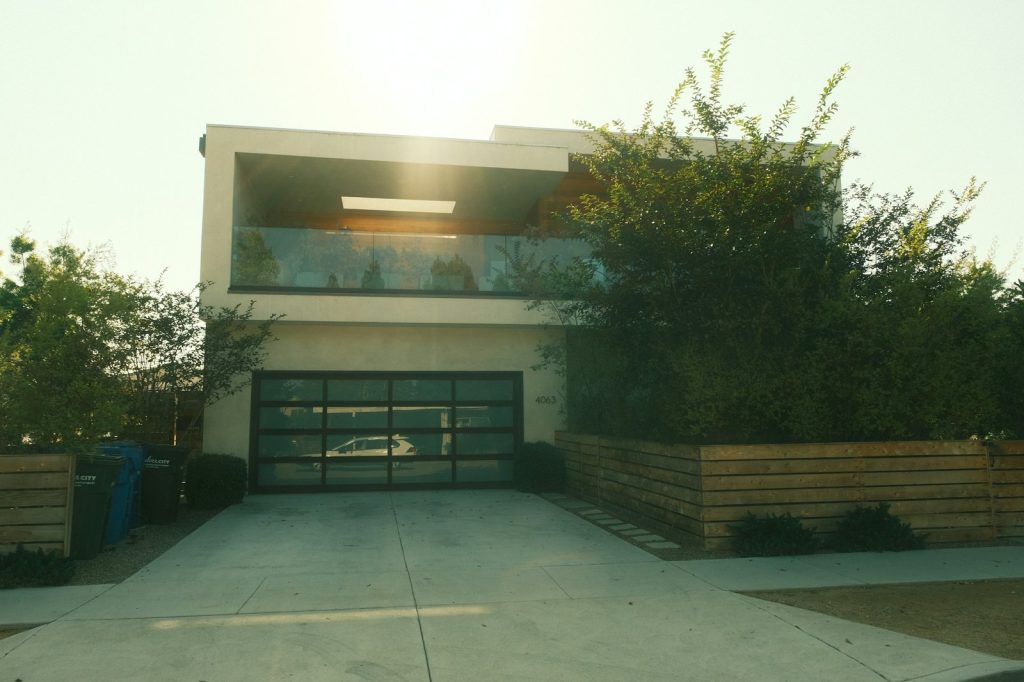
Energy efficiency on glass doors in a Jamaican home is mostly about cooling load. Heat coming through the glass and conducting through the frame increases the work the AC has to do. In a hot climate where cooling can be 40 to 60 percent of the electricity bill, the spec choices on glass doors matter for decades after install.
Here is what actually affects energy performance on a glass door, what the specs mean, and what’s worth specifying for typical Jamaican residential use.
The four things that affect energy performance
Energy efficiency on a glass door comes from four factors working together:
Solar heat gain through the glass. The biggest factor by far in hot climates. Sun hits the glass, heat passes through, indoor temperature rises, AC works harder. The Solar Heat Gain Coefficient (SHGC) measures this; lower is better in hot climates.
Conducted heat through frame and glass. Heat conducts through aluminum, glass, and other frame materials. The U-value measures this; lower is better.
Air infiltration around the frame. Air leaks around the perimeter let conditioned air out and hot outdoor air in. Quality install and good weatherstripping minimize this.
Indoor-outdoor air mixing through gaps in the door itself. Multi-point locks that pull the door tightly closed, well-designed weatherstripping, and proper sill seals reduce this.
Get all four right and the door contributes positively to indoor comfort and AC efficiency. Get any one wrong and the others matter less.
SHGC: the most important number for Jamaica
Solar Heat Gain Coefficient (SHGC) is the fraction of solar energy that passes through the glass. Values range from 0 to 1; lower means less solar heat transmission.
For Jamaican residential doors:
- SHGC over 0.5: standard clear single-pane glass; lots of solar heat coming in
- SHGC 0.3 to 0.5: tinted or basic Low-E glass; reasonable reduction
- SHGC 0.2 to 0.3: spectrally selective Low-E; substantial reduction
- SHGC under 0.2: premium spectrally selective Low-E or smart glass; maximum reduction
For sun-exposed exterior doors in Jamaica, an SHGC under 0.3 is the realistic target. SHGC over 0.4 is leaving real cooling-energy savings on the table.
The catch: lower SHGC sometimes comes with lower visible light transmission (the glass looks slightly darker). Spectrally selective coatings are designed to keep visible light high while cutting solar heat; basic tinted glass cuts both.
U-value: the secondary number
U-value measures the rate of heat transfer through the entire window or door assembly (glass and frame combined). Lower U-value means better insulation.
For Jamaican applications:
- U-value over 1.0 BTU/hr·ft²·°F: single-pane glass with standard aluminum frame; high heat transfer
- U-value 0.5 to 1.0: insulated glass with standard aluminum frame; better but still significant heat transfer
- U-value 0.3 to 0.5: insulated glass with thermal-break aluminum frame; good for hot climates
- U-value under 0.3: premium insulated glass with high-performance frame; max insulation
In Jamaica’s hot-only climate (no winter heating load), U-value matters less than SHGC. The cooling load benefit of low U-value is real but smaller than the cooling load benefit of low SHGC.
For typical residential use, U-value under 0.5 is a good target on premium doors; U-value over 0.7 is leaving some efficiency on the table.
Low-E coatings
Low-emissivity (Low-E) coatings are the technology that delivers most of the SHGC reduction. The coating is a microscopically thin layer of metal oxide on the glass surface that reflects infrared (heat) wavelengths while letting visible light pass through.
Generations of Low-E coatings:
Single-coating Low-E: the original; cuts SHGC by maybe 20 to 30 percent vs uncoated.
Double-coating Low-E: two layers of coating; cuts SHGC by 40 to 50 percent vs uncoated.
Triple-coating Low-E (spectrally selective): three layers; cuts SHGC by 50 to 60 percent vs uncoated while maintaining high visible light transmission.
Modern premium glass uses triple-coating Low-E by default. The performance difference between generations is significant; if you’re paying for Low-E, make sure you’re getting the current generation rather than an older spec.
Thermal break aluminum frames
Standard aluminum frames conduct heat efficiently (aluminum is a good conductor). On a hot day, the metal frame becomes a thermal bridge that bypasses any glass insulation.
A thermal break is a strip of non-conductive material (typically polyamide or polyurethane) integrated into the frame between the inside and outside aluminum. The break prevents direct heat conduction through the metal.
For air-conditioned spaces in Jamaica, thermally-broken aluminum frames cut frame-related heat transfer by 60 to 80 percent versus non-broken equivalents. The cost premium is roughly 20 to 35 percent over standard aluminum. Usually worth it.
Insulated glass units
Two (or three) glass panes separated by an air or argon gas space, sealed at the perimeter to form a single insulated unit. The gas space resists heat transfer better than glass alone.
For Jamaican residential use:
- Double-glazed insulated units cut U-value roughly in half vs single pane
- Triple-glazed adds marginal benefit but at higher cost and weight
- Argon-filled vs air-filled: argon is slightly better; the cost premium is small
- Warm-edge spacers vs aluminum spacers: warm-edge prevents thermal bridging at the perimeter; small cost premium, modest benefit
For premium projects, insulated Low-E units are the spec. For value-conscious projects, single-pane Low-E delivers most of the SHGC benefit at lower cost than insulated.
What to ask the supplier
When discussing energy efficiency with a supplier:
- What SHGC and U-value does the proposed glass spec achieve?
- Is the Low-E coating current-generation spectrally selective?
- Is the frame thermally broken?
- What rating system (NFRC, BFRC, ENERGY STAR) certifies the performance numbers?
- What’s the cost difference between the proposed spec and the next tier up?
A reputable supplier answers these without hesitation. A supplier who can’t quote the numbers probably isn’t selling premium-spec product.
The realistic Jamaican spec
For a typical Jamaican residential glass door on a sun-exposed elevation:
Premium spec: thermally-broken aluminum frame, triple-coating Low-E insulated glass unit, argon-filled with warm-edge spacers. SHGC around 0.25, U-value around 0.4. Premium pricing.
Mid-range spec: thermally-broken aluminum frame, triple-coating Low-E single-pane tempered glass. SHGC around 0.3, U-value around 0.7. Mid-range pricing.
Value spec: standard aluminum frame, double-coating Low-E single-pane tempered. SHGC around 0.4, U-value around 1.0. Lower pricing.
For shaded or low-sun doors (north-facing, well-overhung, vegetation-shaded), the energy spec can step down without significant penalty. For sun-exposed elevations, stepping down hurts cooling-energy efficiency for the life of the door.
Related reading
- Energy efficient sliding windows: what to look for
- Glass type guide for glass doors: clear, frosted, tinted, tempered, laminated
- New developments in sliding window technology worth knowing
For more on building thermal performance) (covering the inverse of U-value), Wikipedia has the engineering framework.
Frequently asked questions
What is the most important energy-efficiency spec for glass doors in Jamaica?
SHGC (Solar Heat Gain Coefficient). In Jamaica’s hot-only climate, cooling load dominates energy use, and solar heat coming through glass is the biggest contributor to that load. Lower SHGC means less heat coming in. Aim for SHGC under 0.3 on sun-exposed doors. SHGC over 0.4 is leaving real cooling-energy savings on the table.
Do I need insulated glass units for energy efficiency in Jamaica?
They help but they’re not the most impactful upgrade. The biggest energy gain comes from Low-E coatings reducing solar heat gain; insulated units add some benefit on top of that by improving U-value. For premium projects, insulated Low-E units are the spec. For value-conscious projects, single-pane Low-E delivers most of the benefit at lower cost.
Is a thermal-break aluminum frame worth the extra cost?
For air-conditioned spaces, almost always yes. Standard aluminum frames conduct heat efficiently, bypassing whatever glass insulation you’ve specified. Thermal break cuts frame-related heat transfer by 60 to 80 percent. The 20 to 35 percent cost premium typically pays back in cooling-energy savings over a few years.
What’s the difference between Low-E generations?
Single-coating Low-E (older spec) cuts SHGC by 20 to 30 percent vs uncoated. Double-coating cuts 40 to 50 percent. Triple-coating spectrally selective (current premium) cuts 50 to 60 percent while maintaining high visible light transmission. If you’re paying for Low-E, make sure you’re getting current-generation triple-coating rather than older single-coating.
How much can energy-efficient glass doors save on my AC bill?
It depends on house size, AC use patterns, and how much sun-exposed glass area you have. For a typical Jamaican residential home with significant west or south-facing glass door area, the difference between basic-spec and premium-spec doors can be 15 to 30 percent on cooling-related electricity. The savings compound over the door’s lifetime; over 20 years they often substantially exceed the upfront cost premium.
The next step
If you’d like a quote that walks through the energy-efficiency spec options for your specific project, the quote request form takes the brief. We come back with at least two spec tiers so you can see the cost difference and the performance difference side by side.
The glass doors service page covers what we install. The contact page is for questions before the formal quote.
Energy efficiency on glass doors is a long-game investment. The upfront cost premium for better spec usually pays back in cooling-energy savings within a few years and compounds for the rest of the door’s lifetime.