

Glass railings vs alternative materials
Glass is one of several material options for a railing. Cable, wood, aluminum, wrought iron, and composite all do the same basic safety job (keeping people from falling off an elevated surface) with very different aesthetics, costs, and maintenance demands over the lifespan.
Here is how glass actually compares to each of them on Jamaican projects, with honest trade-offs rather than marketing claims.
Glass railings as the baseline
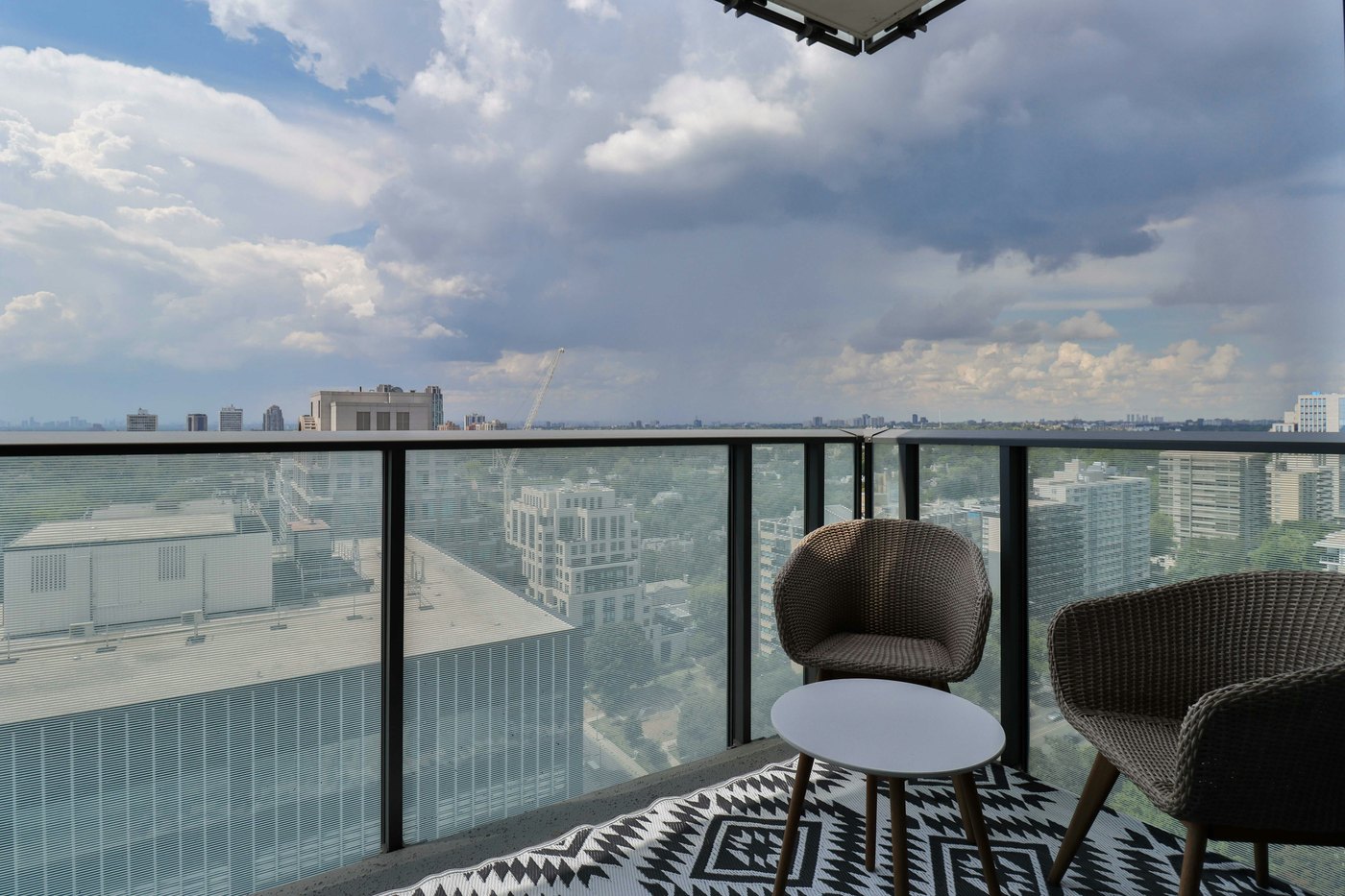
Tempered or laminated glass panels held by aluminum frame or stainless hardware. Maximum view through the railing. Modern aesthetic. Cost roughly JMD 18,000 to 75,000 per linear foot installed depending on the system (framed at the low end, frameless channel-mount at the high end).
The strengths are visibility, modern look, low maintenance on the glass itself (just cleaning), and a 20 to 30 year lifespan when properly specced. The weaknesses are higher cost than most alternatives, the way glass shows water spots and salt residue more visibly than other materials, more involved panel replacement than some alternatives, and the need for a specialised installer rather than a general contractor.
Where it fits: contemporary architecture, premium views (ocean, garden, hillside), pool surrounds where the visual continuity matters, modern commercial.
Cable railing
Horizontal or vertical stainless cables strung between posts. Open and modern, with visible cable lines running across the view.
Cost: JMD 12,000 to 25,000 per linear foot installed in Jamaica. Cheaper than glass for the open-view aesthetic.
The strengths are open view with minimum visual interruption (cables are thin), modern aesthetic, lower cost than glass, lighter weight, and the flexibility to work with many post materials (aluminum, stainless, wood). The weaknesses are that cables stretch over time and need re-tensioning every 3 to 5 years, cable spacing must meet code (4 inches maximum to prevent children from passing through), dirt collects in the cable connections, and the whole install has a less premium feel than glass.
Where it fits: modern decks and balconies on a budget, properties where the view matters but glass would be too expensive, locations where the visual is about openness rather than a premium feel.
Compared to glass: lower cost, lower maintenance on the cables themselves, slightly more visual interruption from the cable lines, more frequent re-tensioning service over the lifespan.
Wood railing
Traditional wood balusters with a wood top rail. Classic and warm in feel.
Cost: JMD 10,000 to 22,000 per linear foot installed in Jamaica depending on wood species. Cheapest of the common options.
The strengths are a warm and natural aesthetic, good fit with traditional Caribbean and Jamaican architecture, the cheapest material upfront, and the ease of local repair (almost any carpenter can work with it). The weaknesses are significant: wood is the highest-maintenance option on this list. It needs staining or sealing every 2 to 4 years, is vulnerable to rot in coastal humidity, suffers termite and pest damage in Jamaica, splinters and weathers over time, and requires real labour just to maintain its appearance year over year.
Where it fits: traditional Caribbean architecture, country-style homes, covered balconies where exposure is limited, budget projects where ongoing maintenance is genuinely acceptable.
Compared to glass: lower upfront cost, much higher ongoing maintenance, shorter effective lifespan (10 to 15 years before significant work is needed), more traditional aesthetic, and no view through the railing at all.
Aluminum baluster railing
Vertical aluminum balusters at code-required spacing (4 inch maximum gap), with aluminum top and bottom rails. The standard suburban-residential choice.
Cost: JMD 12,000 to 22,000 per linear foot installed in Jamaica. Mid-budget option.
The strengths are low maintenance (powder-coated finish lasts well), affordability, wide availability, multiple colour options, lighter weight than steel or iron, and reasonable corrosion resistance in coastal environments with proper finish. The weaknesses are the visible balusters that interrupt the view, the traditional look that may not suit modern architecture, and the less premium feel compared to glass.
Where it fits: standard suburban Jamaican residential, multi-unit work, properties where view through the railing is not the priority, budget-conscious projects.
Compared to glass: lower cost, lower maintenance, more visual interruption (balusters at 4 inch spacing read as visible vertical lines), and a more conventional aesthetic.
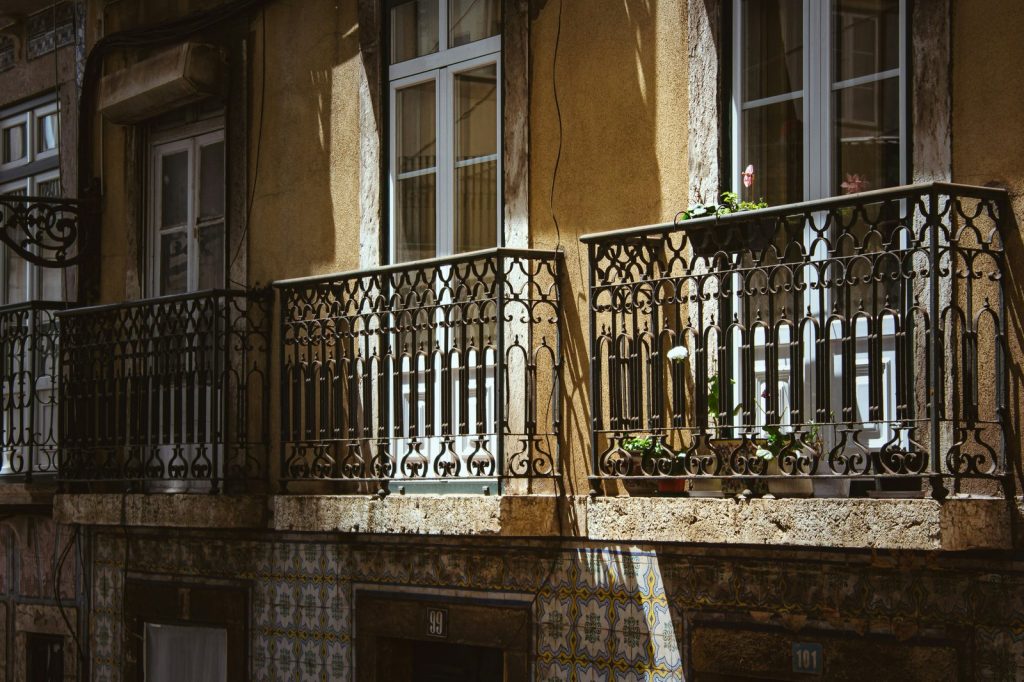
Wrought iron or steel railing
Decorative iron or steel balusters and top rail. Traditional and ornate.
Cost: JMD 14,000 to 35,000 per linear foot installed in Jamaica depending on design complexity. Mid to upper budget.
The strengths are strength and durability, ability to be highly decorative (curved scrollwork, custom designs), heavy and substantial feel, traditional aesthetic that fits classical Jamaican architecture well, and the security-deterrent value. The weaknesses are corrosion in coastal environments without diligent maintenance and proper finish, weight, the need for repainting every 5 to 10 years, more view obstruction than aluminum baluster, and a higher cost than aluminum.
Where it fits: classical or colonial Jamaican architecture, security-conscious applications, properties where the railing is meant to be a decorative feature, inland projects where coastal corrosion is not the daily concern.
Compared to glass: more visual interruption, more maintenance, similar or higher cost depending on design complexity, traditional rather than modern aesthetic.
Composite (PVC, vinyl, fibreglass) railing
Synthetic material designed to look like wood or aluminum but with lower maintenance than either.
Cost: JMD 12,000 to 25,000 per linear foot installed in Jamaica.
The strengths are low maintenance (no staining or painting), resistance to rot and termites, multiple colour options, and lighter weight than wood. The weaknesses are a synthetic look that some clients find unappealing, the tendency to fade or chalk in intense Jamaican sun over time, and a less premium feel than glass or wrought iron.
Where it fits: budget residential where a wood-look is wanted without the wood maintenance, properties where the railing look is not the priority.
Compared to glass: lower cost, lower maintenance, less premium aesthetic, more visual interruption.
The realistic Jamaican comparison
For a typical Jamaican residential balcony, here is how the options stack up on the factors that matter most.
Cost from lowest to highest installed: wood, cable, aluminum baluster, composite, wrought iron, glass.
Visual openness from most to least open: cable, glass, wrought iron with decorative spacing, aluminum baluster, wood, composite.
Maintenance demand from lowest to highest: glass and aluminum at the low end, then cable, then composite, then wrought iron, with wood at the high end.
Coastal durability with proper spec: glass and aluminum perform best, cable is solid, composite is mid, wrought iron struggles, wood is worst.
Premium feel: glass at the high end, cable in a modern context, wrought iron in a traditional context, then aluminum baluster, composite, and wood.
Lifespan with proper maintenance: glass 20 to 30 years, aluminum 20 to 30, cable 20 to 25, wrought iron 20 to 30 inland, composite 15 to 25, wood 10 to 15.
When to choose each
For modern architecture with premium views, glass is the right answer.
For modern architecture on a budget, cable does most of the same visual job at a lower price point.
For traditional Caribbean or Jamaican architecture, wrought iron or wood fit the design language better than glass.
For multi-unit residential with budget constraints, aluminum baluster is the standard answer.
For coastal exposure with low maintenance willingness, glass or aluminum. Avoid wood and wrought iron unless the site is heavily inland-protected.
For security priority on inland properties, wrought iron with appropriate hardware.
For genuinely tight budget with a wood-look desire, composite.
For pool surrounds, glass reads cleanest (continuous view through to water) with cable as the affordable second choice.
A few common misconceptions
Things we hear regularly that turn out not to be quite right.
“Glass is the most expensive option.” Not always. Wrought iron with custom decorative work can exceed glass cost. Premium aluminum with high-end powder coat can approach it. Glass is generally premium but not automatically the most expensive line on every quote.
“Glass is fragile and dangerous.” Properly specced tempered glass meets all safety codes and handles wind loads, impact loads, and human loads as well as any other railing material does. The fragility perception is wrong for tempered glass in a properly designed railing.
“Cable railing is just as good as glass for views.” Cable is more open than aluminum or wood but has visible cable lines every 4 inches that read as a horizontal pattern. Glass has essentially no visual interruption. They look similar in photos but feel quite different standing in front of them.
“Wood is the cheapest option.” Cheapest upfront, most expensive over 20 years because the maintenance burden never stops. Total cost of ownership ends up comparable to or higher than aluminum once you count the staining cycles, the rot repairs, and the eventual replacement.
“Aluminum is just like glass without the glass.” Not really. Aluminum has visible balusters that read as vertical lines. Glass is essentially invisible. The visual difference is significant in person.
A summary
Glass is the premium choice for modern architecture where the views deserve to be maximised. Cable is the budget alternative for that same use case. Aluminum baluster is the standard suburban choice for properties where the view is secondary. Wood and wrought iron suit traditional and classical architecture. Composite is the budget choice when a wood-look is wanted without wood maintenance.
None of these is universally right. The choice depends on the architecture, the budget, the coastal exposure, the maintenance willingness, and what you want the railing to do visually. For Jamaican projects, glass and aluminum dominate modern and coastal residential. Cable shows up on budget modern work. Wood and wrought iron mostly land on traditional and protected sites.
If you are not sure where your project fits: glass for modern with priority view, aluminum baluster for standard residential, wrought iron for classical homes. The other options have their place but are usually answers to specific situations rather than defaults.
Related reading
- What does a glass railing installation cost in Jamaica?
- Glass railings: frameless vs framed
- How long do glass railings last in coastal Jamaican homes?
For background on the engineering and code requirements that apply to all railing materials, see the Wikipedia entry on guard rail.
The next step
If you are weighing glass against another material for a Jamaican railing project, our team is happy to walk through the realistic comparison for your specific site and architecture. We do glass primarily but we are honest about when something else is the better fit.
Request a materials consultation, browse our work, or get a quote on a glass install to start.