

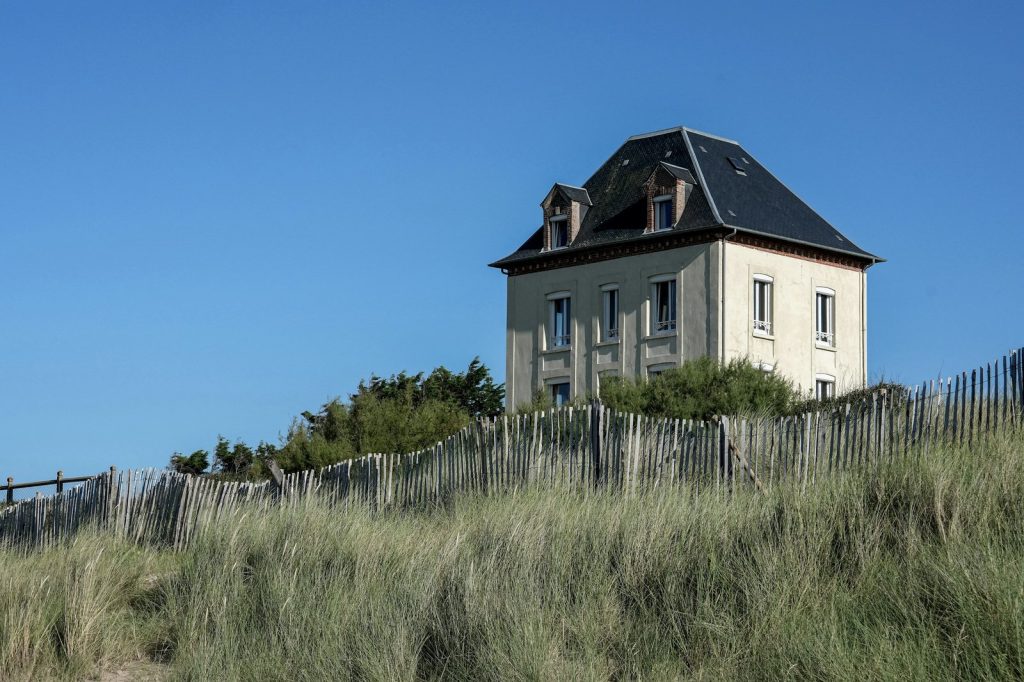
A coastal sliding window install in Jamaica is a different specification job than the same install five miles inland. Salt air, humidity, hurricane wind, and harder UV all change the spec sheet. A standard inland install dropped into a beachfront home starts showing problems by year three and is past saving by year ten.
This article is the practical primer on what marine-grade sliding windows for coastal Jamaica actually mean at the spec stage, and what we put on coastal quotes that we wouldn’t put on inland ones. The lifespan and maintenance side of the same conversation is in how long do sliding windows last in coastal Jamaican homes.
Distance from the coast determines the spec tier
How aggressive the salt exposure is depends on how close you are to the water:
- Within 500 feet of breaking surf, full marine spec is the only option that lasts.
- Between 500 feet and half a mile out, you can do marine spec on the seaward elevations and an upgraded inland spec everywhere else.
- Between half a mile and a mile, an upgraded spec across the property usually does it.
- More than a mile inland, standard residential spec is fine, with marine upgrades only on the most exposed elevations if any.
The distinction matters because marine-grade costs 15 to 30 percent more than standard. A home a mile inland doesn’t need to carry that premium on every elevation. A home within sight of the surf absolutely does.
Aluminum finish: anodised or marine-grade powder coat
The frame finish is the first thing salt air attacks. Two specs hold up on the coast.
Marine-grade powder coat needs proper substrate prep and at least 2.4 mils (thousandths of an inch) of coating thickness, or 2 mils over an anodised base for the most exposed installs. Standard residential powder coat is around 1 to 1.6 mils, which isn’t enough at the water’s edge.
Anodising is the other option, often the better one for severe exposure. The finish is electrochemically part of the metal rather than coated on top, which means salt air can’t peel or pit it the way it can a powder coat.
For direct-beachfront ground-floor installs on a windward elevation, you can combine both: an anodised substrate with marine-grade powder coat over it. Costs more, lasts longer.
The full finish conversation is in aluminum finish options for sliding windows.
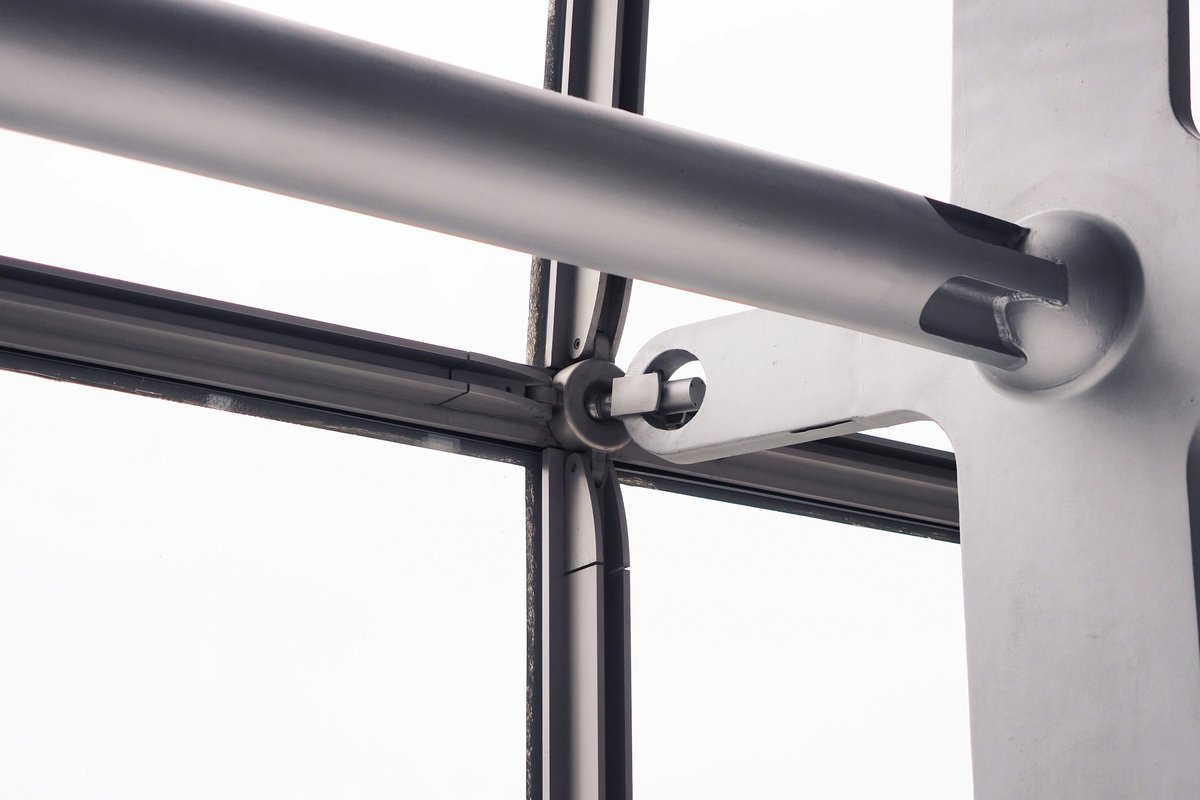
Hardware: stainless steel only
Standard zinc-plated steel fasteners will visibly rust within a year on a coastal install. The aluminum frame and the steel hardware also form a galvanic couple in salt air, which corrodes both.
For coastal installs the hardware spec changes to:
- Stainless steel screws and fasteners throughout. Grade 304 minimum, Grade 316 for direct beachfront.
- Stainless hinge components, even the parts that are mostly hidden.
- Marine-rated locks and handles with stainless internal mechanisms.
- Stainless steel roller assemblies, or sealed-bearing rollers rated for salt.
- Galvanic isolation wherever the aluminum frame meets the building’s structural fasteners.
Cheaper hardware looks identical the day of install. It does not last on the coast. The full hardware swap usually adds 20 to 40 percent to the hardware line item, and the lifespan difference is often double.
Glass spec for coastal exposure
The glass itself doesn’t suffer directly from salt air, but coastal installs have other glass changes that matter.
Tempered everywhere, not just at code-required locations, because coastal homes face higher wind-driven debris risk during storms. Laminated on second-floor and ground-floor street-facing openings, where falling glass is a safety issue. Hurricane-rated assemblies on all openings within 500 feet of the coast (the full assembly, not just the glass, has to carry the impact rating). And Low-E coatings on west and south elevations, because coastal homes already have an above-average cooling load and any solar heat gain compounds it.
The glass thickness conversation is in our how to choose the right glass thickness for sliding windows guide.
Install detail that matters for coastal
A few install details that don’t show up on the quote line items but really change coastal longevity:
Weep hole design and placement. Coastal homes get more water in the tracks (rain plus salt spray plus the occasional storm overspill). Weep holes need to be sized to clear quickly, positioned to drain outward not inward, and easy to clean during normal maintenance.
Sealant choice. Standard silicone sealants are fine inland. Coastal installs benefit from marine-grade sealants rated for UV and salt. The cost is small. The difference is years.
Galvanic isolation. Every place the aluminum frame contacts a different metal (building fasteners, dissimilar trim, conduit penetrations) needs an isolating washer or sleeve to prevent corrosion at the joint.
Frame fastening into actual structure. Coastal homes see higher wind loads. The frame fixings have to anchor into real structural members, not just into the surface finish of the wall.
The cost premium for marine-grade sliding windows
Across all the spec changes above, coastal-grade sliding windows typically cost 30 to 50 percent more than the equivalent inland install. The rough breakdown:
- Frame finish (anodised or marine powder coat): +15 to 25 percent on the frame line
- Stainless hardware throughout: +20 to 40 percent on the hardware line
- Hurricane-rated glass and assembly: +30 to 60 percent on the glass line where used
- Install detail (sealants, isolation, fastening): +5 to 10 percent on labour
A coastal-spec install routinely lasts 18 to 25 years where the standard install in the same location would be at end of life in 8 to 12. The premium pays back in not having to do it twice.
Related reading
- How long do sliding windows last in coastal Jamaican homes?
- Aluminum finish options for sliding windows: black, white, bronze, natural
Frequently asked questions
What is marine-grade aluminum for sliding windows?
Anodised aluminum or marine-grade powder coat with proper substrate prep, paired with stainless steel hardware throughout (Grade 304 minimum, Grade 316 for direct beachfront). Marine-grade spec adds 30 to 50 percent over standard residential but routinely doubles the lifespan in coastal conditions.
How far from the coast does marine-grade matter?
Within 500 feet of breaking surf, marine spec is essentially mandatory. Between 500 feet and half a mile, marine spec on the seaward elevations and upgraded spec elsewhere. Beyond a mile inland, standard residential spec usually works, with marine upgrades only on the most exposed elevations.
What is galvanic isolation on a sliding window?
A non-conductive washer or sleeve placed where the aluminum frame contacts a different metal (building structural fasteners, dissimilar trim, conduit penetrations). Without isolation, salt air creates a galvanic couple between the dissimilar metals that accelerates corrosion on both sides.
Are hurricane and marine-grade specs the same?
Different but overlapping. Marine-grade protects against salt-air corrosion. Hurricane-rated protects against wind-driven debris impact. A coastal Jamaican home typically needs both: marine-grade finish and hardware throughout, plus hurricane-rated assemblies on the seaward and ground-floor openings.
How often should coastal sliding windows be maintained?
Monthly fresh-water rinse to clear salt residue, quarterly full clean with mild dish soap and clearing of weep holes, twice-yearly silicone lubrication of rollers, annual inspection of seals and finish. Roughly double the maintenance cadence of inland homes.
The next step
If you have a coastal Jamaican home project (within a mile or so of the water) and want a quote that includes proper marine-grade spec, the quote request form takes the location and exposure detail. We come back with a quote priced for coastal conditions, not lifted from an inland template.
The sliding windows service page has more on what we install. The contact page is for questions before the formal quote.
The premium for coastal spec is the price of not doing the install twice. For a home within sight of the surf, the math is almost always in favour of getting it right the first time.