

Glass isn’t the only door material. Wood, steel, and fiberglass all work too, and each one does something glass doesn’t. The choice isn’t usually which is best in absolute terms. It’s which material’s strengths fit what you actually need the door to do.
Here’s how they compare for a Jamaican home.
What glass doors are good for
Glass fills openings where you want visual connection between two spaces. Patio doors opening to a garden but still showing the view when closed. Shower enclosures that keep water in while keeping the bathroom feeling open. Office partition doors that split workspaces without walling them off.
Glass wins at visual openness, modern aesthetic, daylight, and indoor-outdoor connection. It loses at opaque privacy (without frosting), maximum security on entries, and traditional architectural language.
So the comparison versus other materials usually comes down to which of those things matters most for this specific door.
Wood doors
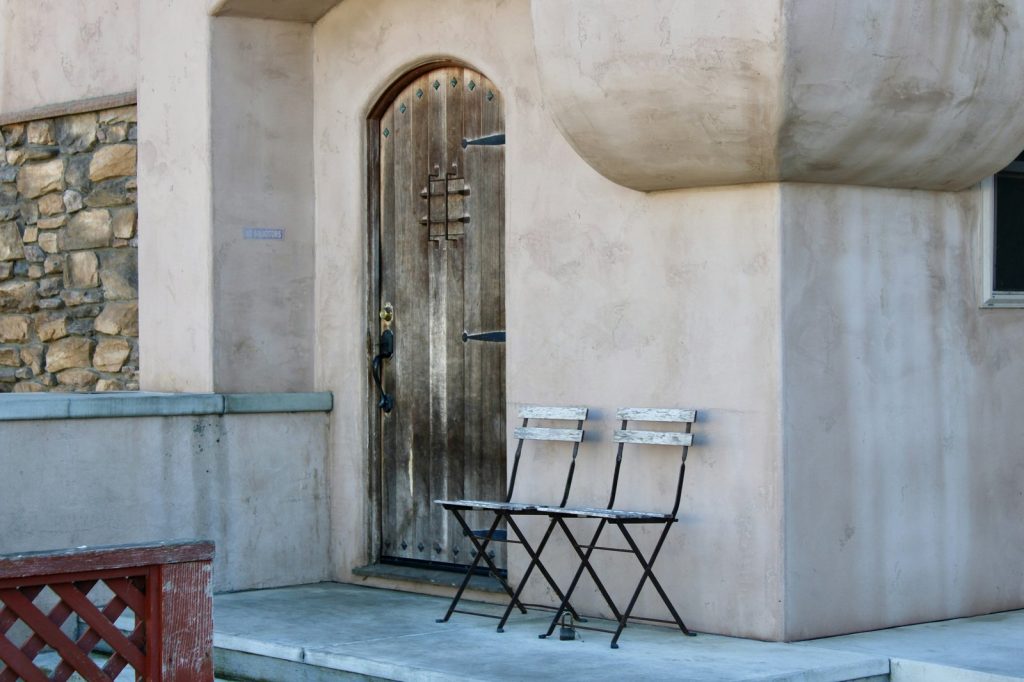
Wood has been the standard residential door material for centuries. In Jamaica, solid wood front doors and interior wood doors remain common in traditional and colonial-style homes.
It’s a good choice for traditional-style front entries, interior doors throughout most homes, anywhere privacy matters, and anywhere the warm tactile feel of wood adds something to the room.
What it doesn’t like is humidity and salt air. Wood absorbs moisture, swells, warps, eventually rots. Without consistent sealing or staining, this happens faster than most homeowners expect. Coastal homes see it fastest.
Cost runs from cheap hollow-core interior doors (around $100 USD) up to solid hardwood entries ($500 to $5,000). Lifespan tracks maintenance closely: a well-cared-for hardwood door easily passes 30 years inland; the same door coastal, with neglected sealing, sometimes needs replacement in 10 to 15.
Exterior wood needs annual sealing or staining. Interior wood is much less demanding but still benefits from occasional touch-up.
Steel doors
Steel is the security choice. Common on commercial back-of-house, and increasingly on residential entries in Jamaica where security is the top concern.
It suits high-security front entries, commercial service doors, and anywhere strength matters more than appearance.
The catch in Jamaica is coastal conditions. Condensation builds inside the door and rusts it from the inside out, invisible until it’s too late. Steel also dents and scratches more easily than people expect.
Basic steel doors run $200 to $1,500 USD; premium insulated steel entries go higher. Inland with proper care, 25 to 30 years isn’t unreasonable; coastal without aggressive maintenance, much less. Any break in the painted surface starts the rust cycle.
Fiberglass doors
Fiberglass is the modern composite alternative. It’s gained serious ground in residential markets over the last 20 years, engineered to mimic real wood without the maintenance overhead.
It fits front entries in modern or transitional homes, situations where the wood look matters but the upkeep doesn’t, and coastal homes where moisture resistance is the priority.
Where it falls short is the high-end aesthetic. The wood-grain finish on fiberglass doesn’t quite match real wood up close, and for high-end traditional architecture, real wood still usually wins despite the maintenance.
Mid-range entries land in the $500 to $2,500 USD range (less than equivalent wood, more than basic steel). Weather resistance is the best of any of these materials; with reasonable care, 50 years isn’t unusual. The composite resists moisture, salt, and UV in ways wood and steel just don’t.
Maintenance is genuinely low. Cleaning, the odd touch-up if something gets scuffed, no annual sealing.
How they compare at a glance
For a Jamaican residential entry door:
- Traditional aesthetic: wood
- Modern aesthetic with a view: glass
- Maximum security: steel
- Best weather resistance: fiberglass
- Lowest maintenance: fiberglass or aluminum-framed glass
- Highest maintenance: wood
- Lowest upfront cost: basic steel
- Best lifetime value: depends on use, but fiberglass and properly-spec’d glass both score well
How the materials work together
Most Jamaican homes use a mix for different doors:
- Front entry: wood, steel, or fiberglass depending on style and security
- Patio doors: glass (sliding or hinged)
- Interior doors between rooms: wood (sometimes with glass panels)
- Bathroom and shower: glass (frameless or framed)
- Service doors (garage, utility): steel for security, wood to match the aesthetic
The right answer for the whole house is usually a mix, each material chosen for the door it fits best.
When glass is actually the right call
Glass beats the alternatives when:
- The view through the door matters even when it’s closed (patio to garden, room to balcony, shower to open bathroom)
- The space needs daylight even with the door closed
- The architectural style is contemporary and the visual openness is part of the point
- The opening should erase the line between inside and outside (large sliding patio systems do this beautifully)
- You’re separating two interior spaces acoustically but want to keep them visually connected (office partitions)
For those jobs, nothing else matches it.
When something else is the right call
Other materials win when:
- The front door’s main job is security: steel with a multi-point lock
- The aesthetic is traditional and you want it done right: solid wood
- You need total privacy, no see-through ever: wood or steel
- You want the wood look with very low maintenance: fiberglass
- Budget is tight on an entry door: basic steel
If the door’s primary purpose is one of those, the alternative wins. Glass is excellent at what it does, but specifying glass where something else fits better isn’t an upgrade, it’s a mismatch.
Related reading
- Glass doors: frameless vs framed
- What does a glass door installation cost in Jamaica?
- Hardware choices for glass doors: handles, hinges and locks
For background on door materials as a broader category, Wikipedia covers the construction options.
Frequently asked questions
Is a glass door more expensive than a wood or steel door?
Usually yes, particularly for larger sliding patio systems where glass doesn’t have a direct equivalent in wood or steel. For comparable-size entry doors, mid-range glass entry doors run higher than basic steel doors but can be comparable to solid hardwood. The bigger cost difference appears on large openings where glass scales but other materials don’t.
What’s the most durable door material for coastal Jamaica?
Fiberglass is the best weather-resistant option, lasting 50 years or more with care. Aluminum-framed glass doors are also durable in coastal conditions when properly specified (marine-grade hardware, quality finishes). Wood and steel both need more maintenance in coastal conditions because of moisture absorption and corrosion respectively.
Can a glass door be secure enough for a front entry?
For typical Jamaican residential security, yes, with the right spec. Multi-point locks, laminated tempered glass, and proper frame anchoring make glass entry doors meaningfully secure. For high-security applications (commercial, high-risk neighbourhoods), steel may still be the more appropriate choice. For standard residential, glass entry with quality spec works for many homeowners.
What door material needs the least maintenance?
Fiberglass and properly-specified aluminum-framed glass doors both score well on low maintenance. Fiberglass doesn’t need annual sealing like wood, doesn’t rust like steel, and doesn’t degrade in salt air the way uPVC does. Glass doors with aluminum frames need regular cleaning but minimal active maintenance beyond that.
Is wood a bad choice for doors in Jamaica?
Not bad, but maintenance-heavy. Wood absorbs humidity, can warp and swell, and needs annual sealing or staining to maintain weather resistance. For inland homes with diligent maintenance, wood can last decades. For coastal homes or homeowners who won’t keep up the maintenance, fiberglass or aluminum-framed glass usually deliver better long-term value.
The next step
If you’re weighing glass against alternative materials for a specific door (entry, patio, partition), the contact page is the way to start the conversation. We’re honest about when glass is the right choice and when something else fits better.
The glass doors service page covers what we install. The quote request form is for projects.
The right material depends on what the door actually needs to do. Glass is excellent at some things, indifferent at others. Pick by application, not by aesthetic preference alone.